
Contents
After a storm, your property may need a quiet checkup rather than a dramatic response. Storm Damage Mold Testing should begin as soon as water exposure occurs, because hidden moisture can create conditions for mold growth. Inspect walls and ceilings for staining, warping, or a musty odor, since moisture can travel beyond visible damage. If drying isn’t complete within 24 to 48 hours, professional confirmation can help determine whether further testing or remediation is needed before the problem spreads.
Key Takeaways
- Test storm-damaged areas immediately; mold can begin growing within 24 to 48 hours after water exposure.
- Inspect walls, ceilings, flooring, insulation, and HVAC systems for hidden moisture, staining, musty odors, or soft materials.
- Use air and surface sampling when drying is incomplete or contamination is suspected before mold becomes visible.
- Isolate affected areas and dry them quickly to limit spreading spores and reduce further damage.
- Retest after cleanup if materials stayed wet or moisture levels remain high to confirm remediation was effective.
Why Storm Damage Mold Testing Matters After a Flood
After a flood, storm damage mold testing matters because moisture can spread quickly into walls, flooring, insulation, and HVAC systems, creating conditions that support mold growth within 24 to 48 hours.
You need testing to identify hidden contamination before it advances behind finishes and into shared indoor air. It helps you verify where water intruded, measure contamination, and target remediation instead of guessing.
You also reduce health risks linked to airborne spores, especially if anyone in your household has asthma, allergies, or a weakened immune system.
When you act quickly, you protect your home’s structure and your family’s comfort.
You’re not dealing with this alone; a clear test result gives you the facts you need to move forward with confidence and control.
When to Test for Mold After Storm Damage
You should test for mold as soon as stormwater enters porous materials, even if visible growth hasn’t appeared yet, because mold can begin developing within 24 to 48 hours of saturation.
You’ll protect your space and your people by acting before odors, staining, or health symptoms make the problem harder to control.
If drying isn’t complete within that window, schedule testing immediately and keep conditions documented.
Use established testing methods, such as air sampling or surface sampling, to confirm whether mold growth is present and to guide remediation decisions.
After cleanup, retest if materials stayed wet or if moisture readings remain elevated.
When you stay prompt and methodical, you help your household or team recover with confidence, reduce uncertainty, and keep the environment safer for everyone who belongs there.
Check Walls and Ceilings for Hidden Mold
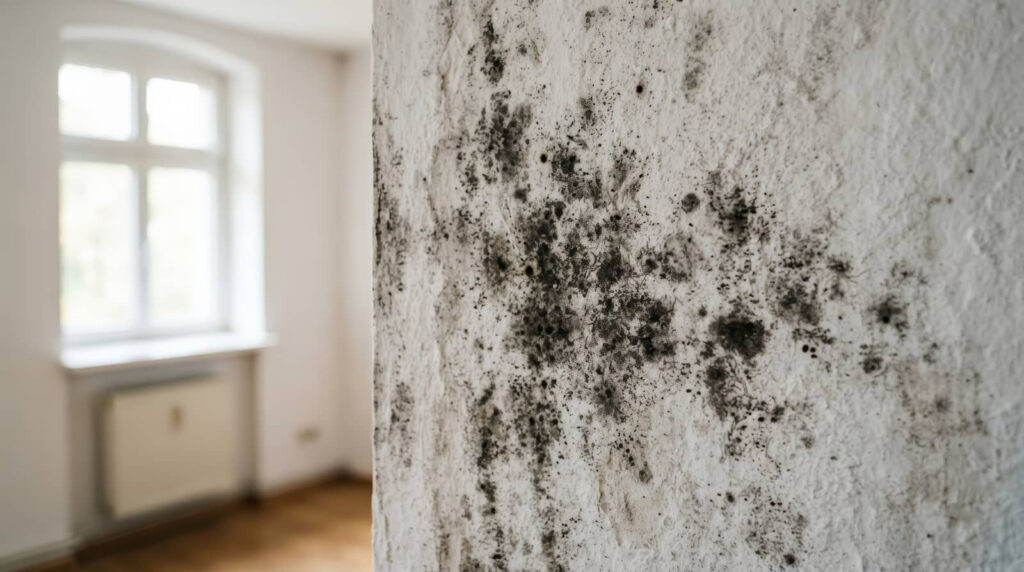
Look closely at walls and ceilings for hidden mold where stormwater may have entered cavities, seams, or insulation.
You should inspect paint blisters, soft drywall, staining, and warped trim, because these signs often indicate moisture behind the surface.
During a wall inspection, press gently along suspect areas and note any spongy feel, musty odor, or discoloration around vents, light fixtures, and baseboards.
Check ceiling joints, attic access points, and areas below roof leaks for concealed growth.
If you find hidden mold, document the location, size, and material affected before you disturb it.
You belong with others who act quickly: isolate the area, improve drying, and contact a qualified mold professional when contamination seems extensive or structural materials are wet.
Frequently Asked Questions
Does Storm Damage Mold Testing Require Professional Equipment?
Yes, you’ll often need professional equipment for reliable storm damage mold testing. You can use basic mold testing methods, but professional assessments detect hidden moisture, airborne spores, and contamination more accurately in your space.
Can Mold Testing Detect Hidden Contamination Behind Insulation?
Yes—mold testing can sometimes reveal hidden mold behind insulation, but no test sees through walls directly. You’ll need targeted sampling, moisture mapping, and thermal imaging to assess insulation impact and confirm contamination accurately.
How Long Does a Storm Damage Mold Test Usually Take?
You’ll usually spend 30 minutes to 2 hours on a storm damage mold test, depending on testing methods and mold growth extent. You’ll get quicker results from site sampling, though lab analysis can take longer.
Are Air Samples Better Than Surface Samples for Mold Testing?
You’ll usually get better insight from air samples because they reflect indoor air quality and overall exposure, while surface samples show contamination spots. Use both testing methods when you need precise, storm-damage mold assessment.
Can Insurance Cover Storm Damage Mold Testing Costs?
Yes—your insurance can cover storm damage mold testing costs; about 1 in 5 claims include water-related mold issues. You’ll need to verify your insurance policies, coverage limits, and document storm-caused moisture promptly.
Summary
If you act fast, you can stop storm damage from becoming a hidden mold problem. Test right after water exposure, inspect walls and ceilings for trapped moisture, and watch the 24- to 48-hour drying window closely. If surfaces stay damp, the risk rises quickly, and mold may already be spreading out of sight. Don’t wait for visible growth. Confirm contamination early, then you can remediate with confidence and protect everyone inside.
Recent Posts
Why Get a Ceiling Leak Mold Report?
If you’ve had a ceiling leak, you need more than a visual check. A ceiling
What Is Pipe Leak Mold Testing?
You might think a visible leak tells you enough, but hidden moisture can spread far
5 Best Mold Inspection Testing After Water Damage
Many water-damaged buildings develop hidden mold within days, so you can’t rely on visible signs