
Contents
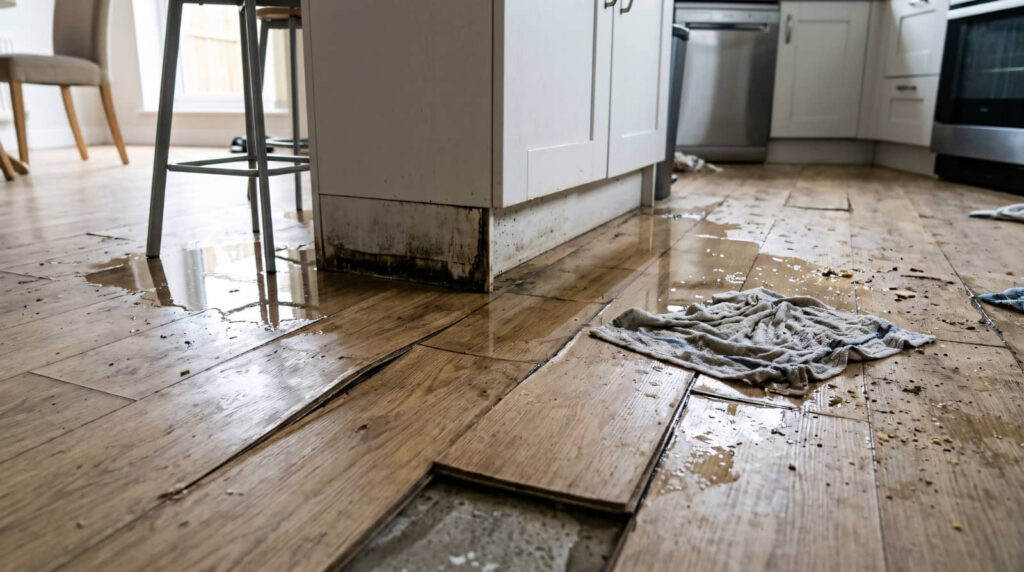
A lot of people in the U.S. face water damage emergencies every day, so you need fast, reliable 24-hour water damage repair. You can call a 24-hour water damage restoration service for extraction and drying, a specialized plumbing company for burst pipe repairs, or an emergency response team to stabilize the scene and coordinate cleanup. Each option solves a different problem, but the right first move can keep a small leak from becoming a major loss.
Key Takeaways
- Burst pipe emergencies need immediate shutoff, extraction, and professional moisture monitoring.
- Storm water damage requires 24-hour water removal, safety checks, and structural drying.
- Ceiling leaks should be stopped fast, inspected for hidden moisture, and tested for mold if wet over 24-48 hours.
- Choose a 24-hour restoration team with emergency response, leak detection, and sanitation capabilities.
- Quick action lowers repair costs, limits structural damage, and speeds safe recovery.
Burst Pipe Water Damage Repair
When a pipe bursts, you need to act fast to limit water spread, protect structural materials, and reduce mold risk. Shut off the main supply, then call your emergency response team or a 24-hour water damage specialist.
You’ll want them to inspect the break, isolate affected areas, and stabilize exposed plumbing before pressure returns. You can protect your home by documenting damage, moving valuables, and keeping walkways clear for crews.
If you belong to a property maintenance group, follow its burst pipe prevention checklist so you can reduce future failures.
Professional repair should include leak-source identification, pipe replacement, moisture monitoring, and drying verification.
Quick action helps you avoid structural deterioration, keeps your space safer, and gets your household back to normal faster, with confidence.
Storm Water Removal and Cleanup
Storm water can move in fast, carry contaminants, and soak into floors, walls, and insulation within minutes, so you need immediate extraction and cleanup to limit lasting damage.
Your flood response should start with shutting off electrical hazards, then moving water out with emergency extraction equipment and high-capacity vacuums.
You’ll protect the space by removing saturated materials, clearing debris, and sanitizing affected surfaces before moisture spreads.
A trained crew can map wet zones, measure hidden dampness, and dry structural components with air movers and dehumidifiers.
When you act quickly, you reduce repair costs and help your home feel safe again.
In moments like this, you’re not handling it alone; you’re joining a team focused on restoring control, comfort, and stability.
Ceiling Leak Repair and Mold Testing
If a ceiling leak shows up after heavy rain or plumbing failure, you need to stop the source fast, contain the spread, and inspect for hidden moisture before it causes structural damage or mold growth.
You should open the ceiling only where needed, dry insulation, and verify joists and drywall for sagging, staining, or soft spots. A thorough ceiling inspection helps you spot active drips, corrosion, and compromised fasteners before the repair expands.
Then schedule mold testing if damp materials stayed wet longer than 24 to 48 hours. When results show contamination, move into mold remediation right away to protect your home and everyone in it.
You’re not dealing with this alone; quick action keeps your space safe, stable, and ready for reliable restoration.
Frequently Asked Questions
How Quickly Should I Call for Emergency Water Damage Service?
Call emergency water damage service immediately—within minutes, if you can. Fast emergency response limits structural loss, mold, and costly repairs. You’re not alone; skilled technicians can stabilize your home and start drying right away.
What Items Can Be Saved After Water Damage?
Like triage, you can save solid furniture, sealed documents, and some textiles if you act fast; prioritize furniture preservation and electronic safety. You’ll often salvage items cleaned, dried, and inspected within 24 hours.
Does Insurance Cover All Types of Water Damage Repairs?
No, you usually won’t get full insurance coverage for every water damage repair; it depends on the cause. You should review your policy fast, document losses, and call your adjuster immediately for guidance.
Can I Stay Home During Water Damage Restoration?
Yes, you can stay home if water safety checks out and home ventilation’s strong—picture your house as a damp submarine. You’ll need sealed areas, fans, and urgent monitoring. If mold, sewage, or electricity’s involved, leave.
How Long Does Drying Usually Take?
Usually, you’ll need 3–5 days, though severe damage can take longer. You’ll benefit from fast drying techniques and ongoing moisture assessment, so you can protect your home, stay informed, and feel confident during restoration.
Final Thoughts
When water damage strikes, you need to act fast. You can call a 24-hour restoration service, a specialized plumbing company, or an emergency response team to stop the damage and start cleanup. These pros extract water, dry materials, and find hidden leaks before mold spreads. Choose the right help now, because delay can let damage grow like roots under pavement. With quick action, you’ll protect your home and restore safety sooner.
Recent Posts
24/7 Water Damage Repair Guide
A flooded room can look minor at first, then turn severe within hours. You need
Leak Mold Inspection and Testing Guide
Most ceiling leaks hide moisture beyond the visible stain, so you can’t rely on surface
Why Test Mold After Water Damage?
Even if the area looks dry, you should still test for mold after water damage