
Contents
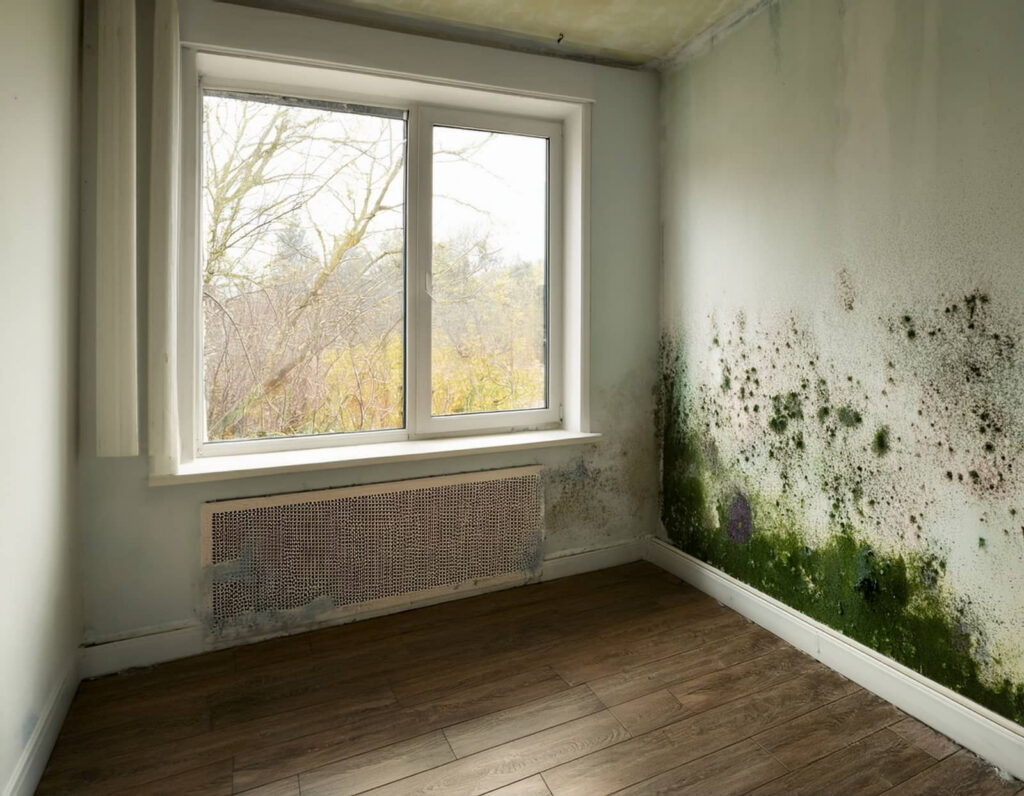
After water damage, you need to watch for signs that point to hidden mold before the problem spreads. Mold Inspection After Water Damage is especially important if a musty odor lingers, surfaces stay damp beyond 48 hours, mold becomes visible, paint bubbles, or walls warp, as these signs may indicate active growth. Health symptoms that ease outdoors can also indicate exposure. The question is whether the damage is only surface-deep, or something more serious is developing behind it.
Key Takeaways
- Persistent musty odors after water damage often signal hidden mold behind walls, under floors, or inside damp materials.
- Visible mold growth or spreading discoloration on walls, ceilings, or flooring means inspection is needed promptly.
- Warped walls, bubbling paint, soft spots, or sticking doors can indicate moisture trapped in building materials.
- Damp areas lasting more than 48 hours after leaks or flooding increase mold risk and should be tested.
- Ongoing health symptoms like sneezing, congestion, headaches, or fatigue in damp spaces may point to mold exposure.
Musty Odors That Won’t Go Away
If a musty odor lingers despite regular cleaning and ventilation, it often points to hidden mold growth. You shouldn’t dismiss musty smells as stale air; they often indicate active microbial colonies behind walls, under flooring, or in insulation.
When you notice the odor returning after cleaning, inspect nearby materials for lingering dampness, staining, or softened surfaces. The smell can intensify in closed rooms, closets, basements, or HVAC returns, where moisture and poor airflow let spores spread.
If you live there, you deserve a healthy space that feels safe and familiar. A mold inspection can identify the source, measure contamination, and guide targeted remediation before the problem expands.
Early evaluation helps you protect indoor air quality and restore confidence in your home.
Water Damage That Won’t Dry
When water damage stays damp for more than a day or two, hidden moisture is often trapped in drywall, subflooring, insulation, or framing.
You may run fans and still see the same wet edges, soft spots, or cool surfaces because drainage issues keep supplying water or humidity levels stay too high.
You should check whether gutters, grading, supply lines, or appliance leaks are feeding the problem.
Use a moisture meter to compare affected materials with nearby dry areas, and note any readings that don’t drop over time.
If the area never reaches a stable dry condition, your home’s materials may be retaining moisture beyond normal limits.
In that case, you’re not overreacting; you’re identifying a condition that deserves a mold inspection.
Visible Mold After Water Damage
After water damage, you may notice discoloration on walls, ceilings, or flooring, which can indicate active mold colonization.
You shouldn’t assume a stain is only cosmetic, because mold often spreads behind the surface where you can’t see it.
If the affected area smells musty or continues to darken, you’ve got a strong diagnostic sign of hidden growth.
Discoloration On Surfaces
Stains on walls, ceilings, or baseboards often signal visible mold growth after water damage. You should inspect any discoloration closely, because mold can appear as green, black, brown, or white patches with uneven color variation.
Check whether the stain follows water lines, spreads outward, or changes the surface texture, since damp materials often look mottled, slimy, or fuzzy. If the area feels soft, chalky, or raised, treat it as active microbial growth, not simple staining.
You’re not overreacting by documenting these changes; you’re doing the right thing for your home and everyone in it. Mark the boundaries, note the date, and arrange a mold inspection promptly so you can confirm the source and limit further damage.
Hidden Growth Signs
How do hidden mold problems show themselves after water damage?
You’ll often notice visible growth around baseboards, behind peeling paint, under flooring, or inside closets where airflow is poor.
Check for fuzzy, slimy, or speckled patches, especially near hidden sources like plumbing chases, wall cavities, and HVAC returns. These colonies usually indicate active moisture traps that stayed damp after the leak or flood.
You may also see repeated staining, warped trim, or bubbling drywall, which suggests moisture persists behind the surface.
If the area smells musty or your symptoms worsen indoors, don’t dismiss it.
You belong to a safer, healthier space, and a mold inspection can confirm the extent, locate concealed contamination, and guide targeted remediation before the growth spreads further.
Warped Walls or Bubbling Paint
If you notice warped walls, bowed trim, or uneven surface planes, you’re likely seeing structural moisture damage that needs immediate evaluation.
Bubbling, blistering, or peeling paint often indicates trapped moisture behind the finish coat, which can signal active mold growth.
You should inspect these symptoms together, since wall distortion and paint failure often point to an ongoing hidden leak.
Wall Distortion Signs
When drywall starts to bow, swell, or show bubbling paint, moisture is often migrating through the wall cavity and degrading the finish layers. You can confirm wall distortion by checking for uneven seams, soft spots, or doors that suddenly stick.
These wall texture changes usually mean the substrate has absorbed enough water to lose dimensional stability. If the surface feels cool, damp, or spongy, moisture retention is still active behind the finish.
You’re not just seeing cosmetic damage; you’re seeing a diagnostic signal that the assembly may now support mold growth. Inspect both sides of the wall, especially near baseboards and corners, and document any spread.
If distortion keeps expanding, you’ll want a professional mold inspection to verify hidden contamination and prevent further structural decline.
Paint Bubbling Clues
Bubbling or blistering paint usually means moisture has separated the coating from the substrate, and that failure often tracks back to an active leak, chronic condensation, or hidden water intrusion.
You should inspect the area for a bubbling texture, soft drywall, staining, and any peeling paint at seams, corners, or below windows. Press lightly; if the surface feels spongy or shifts, you likely have retained moisture behind the finish.
Check whether the damage expands after rain, shower use, or HVAC cycling, because that pattern helps confirm an ongoing source.
When multiple patches appear together, you’re not dealing with simple cosmetic failure. You’re seeing a diagnostic clue that mold conditions may already exist inside the wall assembly, so you belong to the group that should arrange a mold inspection promptly.
Hidden Mold in Ceilings and Walls
Hidden mold often develops inside ceilings and wall cavities after leaks, condensation, or past water damage, even when the surface looks intact. You can’t rely on paint alone; you need targeted inspection.
Use mold detection techniques and moisture assessment tools to map damp zones, confirm hidden activity, and identify the source before it spreads.
- Probe baseboards, attic sheathing, and drywall seams for elevated moisture.
- Check for soft spots, warped trim, staining, or recurring discoloration.
- Inspect behind access panels and around plumbing, HVAC, and roof penetrations.
If readings stay high or materials feel cool and damp, request a professional evaluation.
When you act early, you protect your space, your budget, and the home you share.
Health Signs Mold May Be Affecting You
If mold is affecting you, your body may show persistent, nonspecific symptoms that worsen in damp indoor spaces. You might notice allergy symptoms such as sneezing, nasal congestion, itchy eyes, or throat irritation, especially after you spend time near water-damaged rooms.
You may also develop respiratory issues, including coughing, wheezing, shortness of breath, or chest tightness, if spores or fragments reach your airways. Fatigue, headaches, and brain fog can accompany these patterns, but they aren’t specific on their own.
What matters is consistency: if you feel better outdoors or away from the area, that pattern supports an indoor trigger. Trust your observations, because your symptoms deserve attention and you deserve a healthy home environment.
When to Schedule Mold Inspection Testing
Schedule mold inspection testing when you notice persistent symptoms, recurring musty odors, or visible water damage that doesn’t fully dry out.
You should act fast, because mold colonization often begins within 24 to 48 hours after saturation. Use this simple diagnostic rule set:
- Test within 24 to 72 hours after flooding, leaks, or sewage exposure.
- Reinspect after remediation if odors, staining, or humidity remain elevated.
- Match inspection frequency to risk factors like poor ventilation, repeated leaks, or prior growth.
You belong to the group that catches hidden contamination early, not after it spreads.
Ask for targeted air and surface sampling, then pair results with mold prevention tips to reduce recurrence.
If your home keeps cycling through dampness, schedule testing now and protect your indoor air.
Frequently Asked Questions
Can Mold Grow Behind Furniture After Water Damage?
Yes, you can have mold grow behind furniture after water damage, especially if furniture placement blocks airflow and traps hidden moisture. You’ll want to inspect walls, bases, and upholstery promptly to prevent colonization and structural damage.
How Soon Should I Inspect for Mold After a Leak?
You should inspect within 24–48 hours after a leak; mold growth timeline accelerates fast in damp materials. Use leak detection methods to confirm hidden moisture, then check walls, floors, and furniture before spores spread.
Do Air Conditioners Spread Mold Spores Indoors?
Yes, you can spread mold spores indoors if your AC has contaminated coils, filters, or condensate. You should inspect airflow, protect air quality, and use prevention strategies so you feel confident, informed, and supported.
Can Mold Return After Cleanup if Moisture Remains?
Yes, mold can return if you leave moisture behind. You’ll reduce mold regrowth factors by using moisture control techniques, drying surfaces quickly, and verifying humidity stays low. If dampness persists, you’ll likely need reinspection.
Is Mold Inspection Covered by Homeowners Insurance?
Usually, you’re covered only if your homeowners policy includes mold damage from a covered peril; many insurance policy exclusions apply. You’ll need documentation, and mold remediation techniques won’t be reimbursed if neglect caused the growth.
Conclusion
If you notice musty odors, lingering dampness, warped walls, visible growth, or health symptoms that ease outdoors, don’t wait. Mold can spread like a silent stain behind drywall and above ceilings, turning hidden moisture into a larger problem. Schedule a mold inspection as soon as water damage lingers beyond 48 hours or materials won’t dry. A prompt diagnosis helps you catch contamination early, limit structural damage, and protect your indoor air.
Recent Posts
What Is Water Restoration After Pipe Damage?
After pipe damage, you need water restoration to stop further loss and return the property
24-Hour Water Damage Cleanup Guide
When water hits your property, you have a narrow window to limit the damage and
24/7 Water Damage Cleanup Checklist
At 2 a.m., you notice water pooling under your laundry room wall, and you have