
Contents
When it comes to mold remediation claims, understanding your options can greatly impact your outcome. From reviewing your insurance policy to documenting damage effectively, there are key steps you can take. Exploring these strategies will help you navigate the claims process more smoothly and increase your chances of a successful resolution. Let’s examine these helpful options further.
Key Takeaways
- Review your insurance policy to understand mold coverage, exclusions, and limits for additional living expenses.
- Document all mold damage thoroughly with photos, videos, and detailed inventory lists to support your claim.
- Hire professional mold remediation experts to assess and address mold issues safely and effectively.
- Consult with legal experts to evaluate your claim’s validity and negotiate with your insurance company.
- Stay organized and proactive by maintaining clear communication with your insurer and following up regularly on your claim status.
Understanding Mold Coverage in Your Policy
How well do you really understand the mold coverage in your insurance policy? It’s essential to explore the specifics, as different mold types can greatly impact your claim. Many policies include standard mold coverage, but this often comes with policy exclusions that can leave you vulnerable.
For instance, if mold develops due to water damage from negligence, your insurer might deny your claim. You should closely examine your policy to identify any limitations regarding mold remediation. Some plans only cover mold resulting from sudden incidents, while others exclude damage caused by long-term issues, such as leaks.
Understanding these nuances empowers you and fosters a sense of belonging in your community of informed homeowners. By being proactive, you can ensure that you’re adequately protected against potential mold-related claims and navigate the complexities of your policy effectively.
Documenting Damage Effectively
To support your mold remediation claim, you need to document the damage effectively.
Start by collecting visual evidence, including photographs and videos of affected areas.
Alongside this, create a detailed inventory list of damaged items to strengthen your case.
Visual Evidence Collection
While you navigate the mold remediation process, effectively documenting damage through visual evidence is essential for supporting your claim.
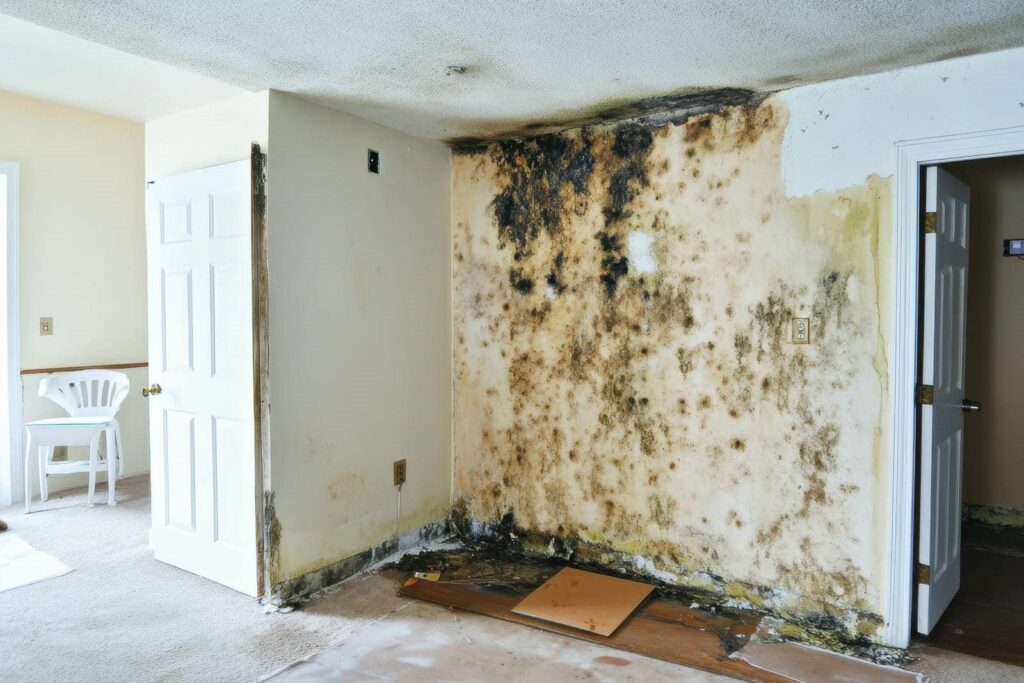
Start by capturing clear photographic evidence of all affected areas, including walls, ceilings, and any personal belongings. These images should provide a thorough overview, showcasing the extent of the damage and any visible mold growth.
Consider including close-ups for intricate details, as they can enhance your damage assessment. Additionally, take photos during different stages of remediation to show progress and ongoing issues.
When you compile this evidence, make sure it’s organized and labeled, as this will help you present a compelling case to your insurer, reinforcing your need for assistance and fostering a sense of belonging within the community facing similar challenges.
Detailed Inventory List
Capturing visual evidence is just the beginning; creating a detailed inventory list is equally important for documenting damage effectively.
Start by organizing your inventory systematically, noting each item affected by mold. Include essential details like brand, model, and purchase date to aid in item valuation. This structure helps you track losses and supports your claim with precise information.
Consider categorizing items by room or function for better inventory organization. Don’t forget to estimate the value of each item, factoring in depreciation if applicable.
Hiring a Professional Mold Remediation Specialist
When you discover mold in your home, hiring a professional mold remediation specialist can be essential for effective and safe removal.
These experts utilize advanced mold assessment techniques to accurately identify the extent of the problem, which is vital for thorough remediation. They pinpoint visible mold and detect hidden sources that could pose health risks.
The professional remediation benefits are significant. Specialists implement proven strategies to remove mold and prevent its return, ensuring your home is safe and comfortable.
They also possess the necessary equipment and training to handle toxic materials safely, minimizing your exposure to harmful spores.
Navigating the Claims Process
After addressing the immediate concerns of mold removal with a professional, the next step is guiding through the claims process to seek reimbursement or assistance with costs.
Start by reviewing your insurance policy closely. Familiarize yourself with any policy exclusions that may affect your claim. Understanding these details will help you avoid surprises during the claims process.
Document everything related to the mold issue, including photographs and receipts from the remediation service. This evidence strengthens your case and can expedite the claims timeline.
When you submit your claim, be clear and concise, outlining the damages and the actions taken to resolve them.
Stay organized and follow up regularly with your insurance company. Keep records of all communications to ensure your claim progresses smoothly.
Steering through this process can feel overwhelming, but being proactive and informed will help you achieve the reimbursement you deserve.
Communicating With Your Insurance Adjuster
How can you ensure effective communication with your insurance adjuster? Start by being organized. Keep all relevant documents, such as your policy, photos, and repair estimates, easily accessible.
When you discuss your claim, clearly articulate your concerns and needs, making sure you’re on the same page. Establish a point of contact and a preferred method of communication, whether it’s email or phone, to streamline adjuster negotiation.
Listen actively to your adjuster’s responses and ask clarifying questions if something isn’t clear. This shows your engagement and fosters a collaborative atmosphere.
Be patient but persistent. Follow up regularly to make certain your claim stays on track. Remember, effective communication is a two-way street—show respect and professionalism, and you’re likely to receive the same in return.
Exploring Additional Living Expenses
When dealing with mold remediation, it’s essential to understand your policy’s coverage limits for additional living expenses.
You’ll need to document all related costs meticulously to ensure you receive the compensation you deserve. Keeping accurate records can help you navigate the claims process more effectively.
Understanding Coverage Limits
While maneuvering the complexities of mold remediation claims, understanding coverage limits—particularly regarding additional living expenses—becomes essential.
You’ll need to familiarize yourself with the coverage definitions in your policy, as they dictate what expenses are reimbursable during your displacement. Often, policies have specific limits on how much they’ll pay for temporary accommodations, so be aware of these caps.
Policy exclusions can also greatly impact your claim; some situations may not qualify for additional living expenses. By grasping these nuances, you can better prepare yourself for discussions with your insurance provider and ensure you’re advocating for the support you deserve.
This knowledge empowers you to navigate your claim more confidently and effectively.
Documenting Expenses Properly
As you begin the process of documenting expenses for your mold remediation claim, understanding the importance of thorough and accurate record-keeping is essential.
Effective expense tracking ensures you capture all costs incurred due to mold issues, including temporary housing, food, and other essentials.
Utilize clear documentation tips like keeping receipts, maintaining a detailed log of dates, and noting specific expenses. Each entry should reflect the necessity of the expenditure in relation to the mold situation.
Organize your records systematically, perhaps using spreadsheets or expense tracking apps, to simplify the claims process. This level of detail strengthens your claim and fosters a sense of belonging within your community of homeowners facing similar challenges.
Seeking Legal Advice if Necessary
If you suspect that mold remediation claims are being unfairly denied or undervalued, seeking legal advice can be an essential step in protecting your rights.
Legal representation can provide clarity and direction in managing insurance disputes. Here are four key reasons to consult a legal professional:
Understanding Your Rights: A lawyer can help you grasp your legal rights and the obligations of your insurance company.
Assessing Claims: They’ll evaluate your claim’s validity and confirm you’ve documented everything properly.
Negotiation Support: Legal experts can negotiate on your behalf, increasing the chances of a favorable settlement.
Litigation Readiness: If necessary, having a lawyer prepares you for the potential of taking legal action against the insurer.
Taking these steps can empower you to stand firm against unjust treatment and secure the compensation you deserve for mold remediation efforts.
Frequently Asked Questions
How Long Does Mold Remediation Typically Take?
Mold remediation typically takes one to five days, depending on the severity and size of the infestation. Understanding the mold removal timeline helps you anticipate the remediation process duration and plan accordingly for a safe environment.
Will My Insurance Cover Mold Found During a Home Inspection?
Your home insurance might cover mold found during a home inspection, but it depends on your specific policy and circumstances. Review your mold coverage details to ensure you’re protected against unexpected surprises lurking in your home.
Can I Perform Mold Removal Myself and Still File a Claim?
Yes, you can perform mold removal yourself, but it may affect your insurance claim processes. Using proper mold removal techniques is essential; document everything to support your claim, ensuring you meet your insurer’s requirements effectively.
Are There Specific Mold Removal Certifications to Look for in Professionals?
Yes, look for professionals with mold certification types like IICRC, NAMP, or ACAC. These credentials ensure they have the necessary professional qualifications and expertise to handle mold remediation effectively, assuring your home’s safety and health.
What if My Claim for Mold Damage Is Denied?
If your claim’s denied, don’t lose hope. Gather mold damage documentation and explore claim appeal options. This journey, like steering through a stormy sea, requires persistence and clarity to reach safe shores once more.
Wrap-Up
Steering through mold remediation claims can be complex, but knowing your options can make a significant difference. For instance, homeowners who document their damage thoroughly are more likely to receive a favorable claim outcome. By understanding your insurance coverage, hiring professionals, and communicating effectively with your insurer, you can enhance your chances of a successful resolution. Don’t hesitate to seek legal advice if needed—your home deserves proper care and attention.
Recent Posts
What Is 24 Hour Water Damage Cleanup?
If you’re dealing with a water emergency, 24 hour water damage cleanup gives you immediate
Ceiling Leak Mold Inspection Report Guide
If you’re dealing with a ceiling leak, you need to know how mold can develop,
5 Tips for Mold Inspection Reports
When you review a mold inspection report, you need to check more than just the