
Contents
Addressing mold promptly is vital to prevent health risks and structural damage. You’ll need to assess the situation and take immediate action. But what steps should you follow to ensure effective mold removal and prevent it from returning? Let’s explore the essential strategies for tackling mold in your flooded home.
Key Takeaways
- Identify and document affected areas promptly to prioritize mold removal efforts and prevent further growth.
- Wear protective gear such as masks, gloves, and goggles to ensure personal safety during mold removal.
- Remove saturated materials like wet drywall and carpets as soon as possible to minimize mold proliferation.
- Use EPA-approved mold cleaning solutions or natural alternatives like vinegar to effectively clean surfaces.
- Employ dehumidifiers to maintain low humidity levels and prevent future mold growth in the affected areas.
Assessing the Mold Situation
How can you effectively assess the mold situation in your flooded home? Start by identifying the affected areas. Inspect walls, ceilings, and floors, focusing on damp or discolored spots.
Different mold types, such as black mold or Aspergillus, can pose varying health risks, so knowing what to look for is essential. Use a flashlight to illuminate dark corners and check for any hidden mold growth.
Next, gather samples if you’re uncertain about mold identification. You can use mold kits available at hardware stores, but consider consulting professionals for accurate results. Pay attention to musty odors, which often signal mold presence.
Document your findings with photos and notes for reference. This thorough assessment helps you understand the extent of the problem and assists in planning your mold removal strategy effectively, ensuring your home returns to a safe and healthy environment for you and your loved ones.
Ensuring Personal Safety
When tackling mold removal, your safety should be a top priority.
Make sure you wear protective gear, such as gloves and masks, to minimize exposure to mold spores.
Additionally, ventilate affected areas and assess the structural integrity of your home to prevent accidents during the cleanup process.
Wear Protective Gear
Wearing protective gear is essential for ensuring your safety during mold removal in flooded homes.
You’ll want to equip yourself with the right safety equipment to minimize exposure to harmful mold spores.
Here’s what you should wear:
Protective clothing: Long-sleeved shirts and pants made of durable material to shield your skin.
Respirator mask: A N95 or better mask to filter out airborne mold spores.
Gloves: Nitrile or rubber gloves to keep your hands safe from contaminants.
Ventilate Affected Areas
To effectively combat mold growth in flooded homes, ventilating affected areas is essential.
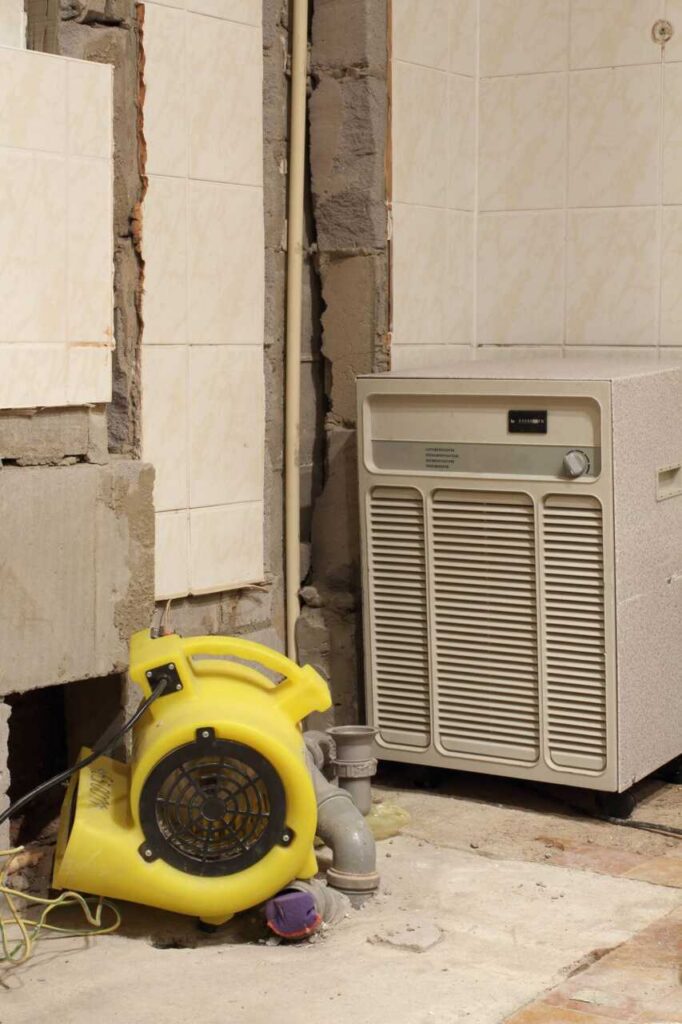
Start by employing air circulation methods, such as fans, to promote airflow and expedite drying. Position fans strategically to direct moist air out of the home while drawing in drier air.
Alongside mechanical methods, utilize natural ventilation tips by opening windows and doors whenever weather permits. This can greatly reduce humidity levels indoors.
Make sure that you monitor the airflow and adjust as necessary to maintain ideal conditions.
Remember, effective ventilation helps in mold prevention and contributes to your safety and comfort.
Assess Structural Integrity
Before you begin the mold removal process, it’s vital to assess the structural integrity of your home to confirm your safety.
A thorough structural assessment ensures you identify potential hazards that could compromise foundation stability. Here are key areas to examine:
Walls and Ceilings: Look for cracks or warping that may indicate weakness.
Floors: Check for sagging or unevenness, which could signal underlying damage.
Foundations: Inspect for water damage or erosion that may threaten stability.
If you notice any concerning signs, it’s important to consult a professional.
Prioritizing your safety protects you and fosters a sense of belonging in a secure environment.
Don’t take risks; verify your home is structurally sound before tackling mold removal.
Containing the Affected Area
To effectively contain the affected area, you need to seal off entry points to prevent mold spores from spreading.
Use plastic barriers to isolate the contaminated space from the rest of your home.
This approach minimizes cross-contamination and helps you manage the mold removal process more efficiently.
Seal Off Entry Points
As you begin the mold removal process, sealing off entry points is essential for containing the affected area and preventing spores from spreading to unaffected spaces.
Effective entry point sealing is a vital step in mold prevention.
Consider these strategies:
- Use weather stripping on doors and windows to block gaps.
- Install door sweeps to prevent mold spores from entering through the bottom of doors.
- Seal cracks or holes in walls and floors with caulk or expanding foam.
Use Plastic Barriers
After sealing off entry points, using plastic barriers is key to containing the affected area during mold removal.
Barrier installation helps prevent mold spores from spreading to unaffected spaces in your home. Start by measuring the area you need to contain and cut the plastic sheeting accordingly. Use heavy-duty tape to secure the edges, ensuring a tight seal.
Make sure to wear protective gear while you work to avoid exposure to mold spores. It’s crucial to create a negative pressure environment within the contained area by using a fan with a HEPA filter, if possible.
This approach enhances mold containment while protecting your living space, enabling a more efficient and safer mold removal process.
Removing Saturated Materials
Removing saturated materials is a critical step in mold remediation after a flood. You’ll want to act quickly to prevent mold growth and further damage.
Start by identifying and removing any materials that can’t be salvaged, such as:
Saturated insulation: This absorbs water and becomes a breeding ground for mold.
Wet drywall: Once wet, drywall loses its structural integrity and must be replaced.
Carpets and padding: If they’re soaked, it’s best to discard them to eliminate moisture sources.
Be sure to wear protective gear, including gloves and masks, to keep yourself safe from mold spores.
Carefully cut out affected areas, ensuring you’re following proper disposal procedures.
Once you’ve removed these materials, you’ll create a cleaner environment, making the next stages of mold remediation more effective.
Cleaning Surfaces With Mold
When cleaning surfaces with mold, you’ll need essential supplies like gloves, masks, and specific cleaning agents.
Use safe cleaning techniques to effectively remove mold without spreading spores.
Understanding the right approach ensures a thorough and safe cleaning process.
Essential Cleaning Supplies
To effectively tackle mold on surfaces in flooded homes, having the right cleaning supplies is essential.
You’ll want to ensure you have a few key items on hand to combat mold effectively.
Mold Cleaning Solutions: Opt for EPA-approved cleaning solutions specifically designed for mold removal.
Protective Gear: Equip yourself with gloves, goggles, and a mask to ensure safety during the cleaning process.
Mold Detection Tools: Use moisture meters and mold testing kits to identify problem areas and assess the extent of mold growth.
With these supplies, you’ll be well-prepared to address mold issues head-on, promoting a safer, healthier living environment.
Safe Cleaning Techniques
Having the right cleaning supplies sets the stage for effective mold remediation, but knowing how to use them safely is equally important.
When cleaning surfaces with mold, always wear protective gear, including gloves and masks, to minimize your exposure.
Start with natural cleaning solutions like vinegar or baking soda, which are effective and safe for most surfaces. For stubborn mold, consider mold resistant products that can prevent future growth.
Apply your chosen solution directly to the affected area and scrub gently with a brush to lift the mold. Rinse thoroughly with water to remove residue and dry the surface completely to discourage regrowth.
Using Dehumidifiers Effectively
How can you ensure that dehumidifiers work effectively in your flooded home?
First, choose the right dehumidifier types based on the size of your space and the extent of moisture damage.
For ideal moisture control, consider these key strategies:
Positioning: Place your dehumidifier in the center of the affected area for maximum airflow.
Continuous Drainage: If possible, set up a continuous drainage option to avoid frequent emptying of the water tank.
Regular Maintenance: Clean or replace filters regularly to maintain efficiency and prevent mold growth.
Applying Mold Inhibitors
While managing moisture levels is essential, applying mold inhibitors can greatly enhance your flood recovery efforts. These treatments work by creating an environment that discourages mold growth, markedly improving mold inhibitors’ effectiveness.
Start by choosing a suitable mold inhibitor for your specific situation—look for products designed for porous and non-porous surfaces.
Before applying treatments, verify surfaces are clean and dry, as this maximizes adhesion and effectiveness. Use a sprayer or brush to apply the mold inhibitor evenly over affected areas. Be thorough; missed spots can lead to mold resurgence.
After application, follow the manufacturer’s instructions regarding drying times and reapplication schedules. Regularly monitor the treated areas for any signs of mold.
Inspecting HVAC Systems
Once floodwaters recede, inspecting your HVAC system is essential to confirm it operates safely and efficiently.
Neglecting this step could compromise your comfort as well as your air quality.
Conduct thorough HVAC maintenance to verify everything is in top shape.
Here are three key areas to focus on during your inspection:
Ductwork: Check for moisture and mold growth that could circulate harmful spores throughout your home.
Filters: Replace any damp or dirty filters to enhance airflow and improve indoor air quality.
Condensate Drain: Clear any blockages to prevent water buildup, which could lead to further mold issues.
Preventing Future Mold Growth
To prevent future mold growth in your home after a flood, it’s crucial to maintain a dry environment and address moisture sources promptly. Start by using dehumidifiers and verifying proper ventilation in areas prone to humidity, like basements and bathrooms. These preventive measures help reduce moisture levels, making it harder for mold to develop.
Next, inspect your home regularly for leaks in plumbing or roofing, and repair any issues immediately. Sealing windows and doors can also prevent moisture infiltration.
Consider using mold-resistant paints and materials as long-term solutions to further safeguard your living spaces.
Additionally, keep gutters clean and verify they direct water away from your foundation. By implementing these strategies, you create a less hospitable environment for mold, fostering a healthier home for you and your loved ones.
Stay proactive, and your efforts will pay off in the long run.
Seeking Professional Help
When facing mold issues after a flood, seeking professional help can be essential for effective remediation. Mold remediation services offer the expertise you need to tackle extensive infestations and prevent future health risks.
An expert assessment will identify hidden mold sources and evaluate structural damage. Here’s what you can expect from these services:
Thorough Inspection: Professionals use advanced tools to detect mold in walls, ceilings, and hidden spaces.
Safe Removal: Trained technicians follow strict protocols to remove mold safely, minimizing exposure to harmful spores.
Restoration Guidance: Experts provide recommendations to restore your home, ensuring it’s safe and livable again.
Don’t underestimate the importance of professional intervention. By enlisting their help, you’re taking a proactive step to protect your home and your loved ones.
Trust the professionals to handle what can often be a complex and hazardous situation.
Frequently Asked Questions
How Long Does It Take for Mold to Grow After Flooding?
Mold can start growing within 24 to 48 hours after flooding. Understanding this mold growth timeline is essential in the flooding aftermath, as prompt action can prevent extensive damage and health risks in your home.
Can I Use Bleach to Remove Mold Effectively?
Bleach’s brilliance battles some mold types effectively, but it doesn’t eliminate all. For best results, consider using specialized mold removers that target various strains, ensuring thorough treatment and preventing future growth in your space.
What Are the Signs of Hidden Mold in My Home?
You’ll notice signs like musty odors, water stains, and condensation on windows. For mold inspection tips, check hidden mold locations behind walls, under carpets, and in damp areas like basements or attics. Stay vigilant for these indicators.
Is Mold Removal Covered by Homeowners Insurance?
You might be surprised, but mold removal isn’t always covered by homeowners insurance. Check your policy for mold insurance coverage, particularly regarding flood damage claims, as many exclude mold-related issues resulting from water damage.
How Can I Prevent Mold Odors After Cleanup?
To prevent mold odors after cleanup, use mold prevention tips like keeping humidity low and ensuring proper ventilation. You can also apply odor neutralizers such as activated charcoal or baking soda to absorb lingering smells effectively.
Review
In the aftermath of flooding, think of your home as a ship in turbulent waters; swift action can keep it afloat. By evaluating the mold situation and taking safety precautions, you safeguard your property and your health. Removing saturated materials and applying mold inhibitors acts like a sturdy lifeboat, preventing further decay. Regular inspections and professional help ensure your vessel remains seaworthy, steering clear of future storms. Stay proactive, and your home will thrive once again.
Recent Posts
5 Tips for Mold Inspection After Leaks
A damp stain spreads across the ceiling like a warning signal, and you need to
What to Do After a Ceiling Leak
After a ceiling leak, you need to act fast to limit damage and reduce repair
Why Choose 24/7 Pipe Leak Cleanup
Does immediate 24/7 pipe leak cleanup really reduce total water damage, or does the timing