
Contents
A small leak can turn into a major structural problem in minutes. You need to shut off the water and power, remove standing water, and start drying walls, floors, and ceilings right away. Emergency Water Damage Restoration helps address hidden moisture, protect the structure, and reduce the risk of mold before the damage spreads. Then inspect hidden spaces for moisture and mold, because what you can’t see often causes the worst damage. If the leak is severe or the source isn’t clear, fast professional help can change everything.
Key Takeaways
- Shut off the water source and electricity immediately to prevent further flooding and electrical hazards.
- Remove standing water quickly using wet vacuums, pumps, towels, or buckets.
- Dry hidden areas with fans, dehumidifiers, and removed trim or carpet edges.
- Inspect for burst pipe damage, mold, and hidden moisture, then document everything.
- Call a licensed plumber and repair damaged materials like drywall, insulation, and piping.
Stop the Leak and Cut the Power
The first thing you need to do is stop the source of the water and cut power to the affected area. If you can safely reach the shutoff valve, turn it clockwise and confirm the flow has stopped.
Use leak detection to trace hidden drips behind fixtures, under sinks, or near appliances, so you don’t miss a second source.
Next, switch off electricity at the breaker for any wet rooms, and never touch outlets or cords with wet hands. That step protects you and everyone in your home.
If the panel is in a flooded zone, wait for a qualified professional.
Keep your team focused, communicate clearly, and stay calm; you’re handling the first critical move with solid power safety.
Remove Standing Water Fast
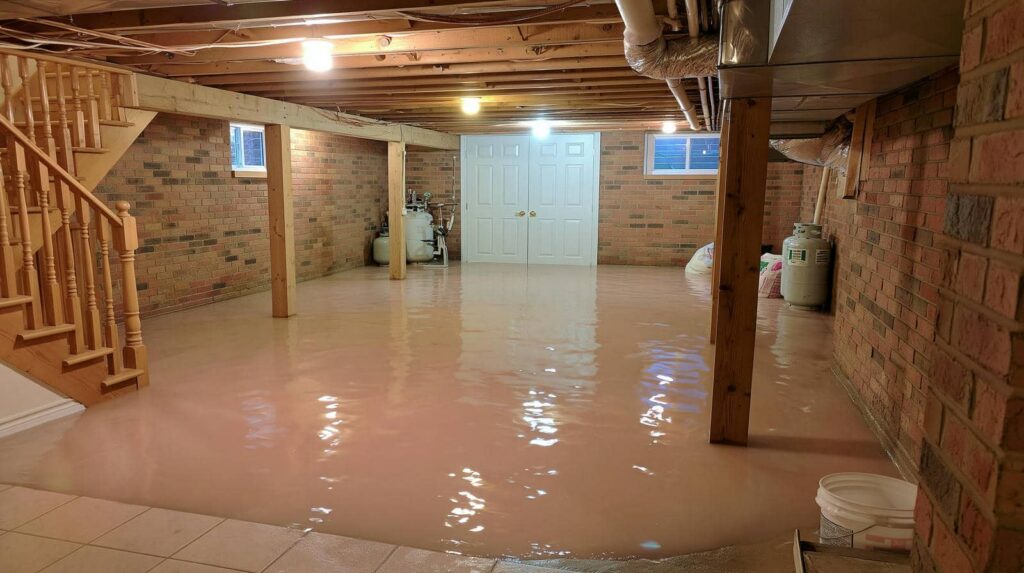
Shut off the water source immediately to prevent more flooding, then start removing standing water as fast as you can.
Use pumps or a wet vacuum right away to lower the water level, and move quickly before moisture spreads into floors and walls.
Check for hidden pockets behind baseboards, under cabinets, and inside cavities, then dry them thoroughly to stop further damage.
Shut Off Water
Act fast to stop the source and keep the damage from spreading. Find the water shutoff valve, turn it clockwise, and confirm the flow has stopped at every affected fixture.
If the leak is from a supply line, appliance, or fixture, isolate that branch so you can protect the rest of your home. Keep emergency supplies nearby: towels, gloves, buckets, and a flashlight help you control the area and work safely.
Check adjacent rooms, baseboards, and cabinets for hidden moisture, and wipe accessible surfaces to reduce wicking. If you’re unsure which valve controls the leak, label it once you’ve identified it so your household can act together next time.
You’ve got this, and a quick shutoff gives your restoration team a cleaner start.
Use Pumps Quickly
Once you’ve stopped the source, get standing water out as fast as you can to limit saturation, swelling, and secondary damage.
Choose pump types based on depth and access: a submersible pump works well for shallow flooding, while a utility pump handles larger volumes faster.
Place the intake at the lowest point, route discharge safely outside, and keep cords clear of water.
If water drops below the pump’s intake, switch to wet vacs or manual extraction.
Check pump maintenance before use: clean screens, inspect hoses, and confirm power and seals.
Move decisively, but don’t rush past safety.
When you act together and use the right tools, you protect flooring, reduce microbial risk, and keep the restoration process on track.
Dry Hidden Pockets
Even after you remove the visible water, moisture can linger in wall cavities, under baseboards, beneath cabinets, and inside carpet padding, so you need to dry those hidden pockets right away.
Pull off trim, lift wet carpet edges, and open cabinet toe kicks so air can move through trapped spaces. Use dehumidifiers, high-velocity fans, and moisture meters to track progress and confirm hidden moisture is dropping.
If drywall stays damp, cut out damaged sections to prevent mold growth and structural swelling. You’re not handling this alone; these restoration techniques work best when you act fast and stay methodical.
Keep the area isolated, replace wet insulation, and check adjoining rooms. Quick drying protects your home and helps your household recover with confidence and control.
Dry Water-Damaged Walls, Floors, and Ceilings
Start drying water-damaged walls, floors, and ceilings as soon as you’ve stopped the source of the leak, because fast action limits swelling, staining, mold growth, and structural damage.
You can protect your space with steady moisture control and proven restoration techniques that fit the material. Open windows, run fans, and use dehumidifiers to pull dampness from surfaces and framing. Remove baseboards or vent trim only when needed to improve airflow.
- Check drywall, plaster, and subflooring for lingering cool spots
- Keep air moving across wet surfaces day and night
- Measure humidity until readings stay in a safe range
You’re not alone in this process; every dry room helps your home feel whole again.
Work methodically, and keep monitoring until materials feel dry and stable.
Repair Burst Pipe Damage Fast
When a pipe bursts, shut off the main water supply immediately and call a licensed plumber to stop the leak at its source. You’ll protect your home and keep your crew in control.
Move furniture, power down nearby circuits if water’s close, and collect standing water with towels, a wet vac, or buckets from your emergency kits.
The plumber can replace the damaged section, tighten fittings, and test pressure before reopening the line. After repairs, add pipe insulation to exposed pipes to reduce future freeze and impact damage.
Then check valves, joints, and nearby walls for hidden spray paths. Stay organized, document the damage, and keep everyone informed so the cleanup feels manageable, fast, and coordinated.
Inspect for Mold and Moisture Damage
Once the leak is stopped and the area is dry enough to work safely, inspect every affected surface for mold and moisture damage. You’ll protect your space best when you check corners, baseboards, drywall, and hidden seams with care.
Use moisture detection tools to find damp spots that look dry on the outside. Apply mold identification techniques to spot discoloration, musty odor, or fuzzy growth before it spreads.
- Probe behind trim and under flooring
- Compare readings in wet and dry zones
- Mark any soft, stained, or warped materials
As you document what you find, you stay in control and help your home recover faster. If you’re thorough now, you and your household can move forward with confidence.
When to Call a 24-Hour Cleanup Service
If water is still spreading, you smell strong mustiness, or you find saturated drywall, insulation, or flooring, call a 24-hour cleanup service right away.
You’re seeing emergency signs that can quickly escalate structural damage and microbial growth. A rapid response team can extract water, set drying equipment, and document conditions to protect your restoration timeline.
If electrical outlets, ceilings, or baseboards are wet, don’t wait for business hours; hidden moisture can move into wall cavities and subfloors.
You deserve a crew that acts fast and keeps you informed, so you can feel confident while your home is stabilized. The sooner you call, the sooner technicians can measure moisture, contain the area, and start recovery with minimal disruption to your routine and peace of mind.
Prevent Future Leaks and Water Damage
To reduce the chance of repeat water damage, inspect and maintain the systems most likely to fail. You can protect your home by pairing leak detection with consistent preventative maintenance, so small problems don’t spread into expensive damage.
Check supply lines, shutoff valves, roof flashing, and appliance hoses on a set schedule. Stay alert for musty odors, warped baseboards, or unexplained meter movement; these signs often point to hidden leaks.
- Test your sump pump and backflow devices monthly.
- Replace aging washers, seals, and braided hoses before they crack.
- Seal gaps around windows, tubs, and utility penetrations.
When you act early, you join the homeowners who stay ahead of emergencies. Keep records, set reminders, and follow through; your routine will reduce risk and support a dry, secure space.
Frequently Asked Questions
How Long Does Water Damage Restoration Usually Take?
Usually, you’ll need 3-7 days for minor water damage restoration, but larger losses can take weeks. Your damage assessment shapes the restoration timeline, and you’ll get clear updates, practical steps, and support throughout.
Is My Home Insurance Likely to Cover Leak Damage?
Usually, yes—if you report it quickly and the leak wasn’t from excluded wear, your policy may cover damage. You should verify leak detection findings, review policy limits, and contact your insurer today.
Can I Stay in My House During Restoration?
You can stay in your house during restoration if technicians confirm it’s safe. Follow safety precautions, avoid affected areas, and ask about the restoration process timeline. You’ll protect your home and feel included, informed, and secure.
What Items Should I Save Before Cleanup Starts?
Save essential documents, valuable electronics, medications, photos, jewelry, and irreplaceable keepsakes first. You’ll protect what matters most by moving items to a dry, safe area before cleanup starts, then inventory everything quickly.
How Do I Know if Hidden Damage Is Present?
You’ll know by spotting stains, odors, swelling, and musty air; by using moisture detection; by checking hidden leaks. You can trust your team, act fast, and protect your home together.
Review
You’ve stopped the leak, cleared the water, and started drying the damage—but the real test is still ahead. If you miss hidden moisture, mold can spread fast, and costly repairs can follow. Keep checking walls, floors, and ceilings, and move quickly if anything feels damp or smells musty. When the damage looks bigger than you can handle, call a 24-hour cleanup service. Acting now can save your home before the problem wakes up again.
Recent Posts
What Is 24 Hour Water Damage Cleanup?
If you’re dealing with a water emergency, 24 hour water damage cleanup gives you immediate
Ceiling Leak Mold Inspection Report Guide
If you’re dealing with a ceiling leak, you need to know how mold can develop,
5 Tips for Mold Inspection Reports
When you review a mold inspection report, you need to check more than just the