
Contents
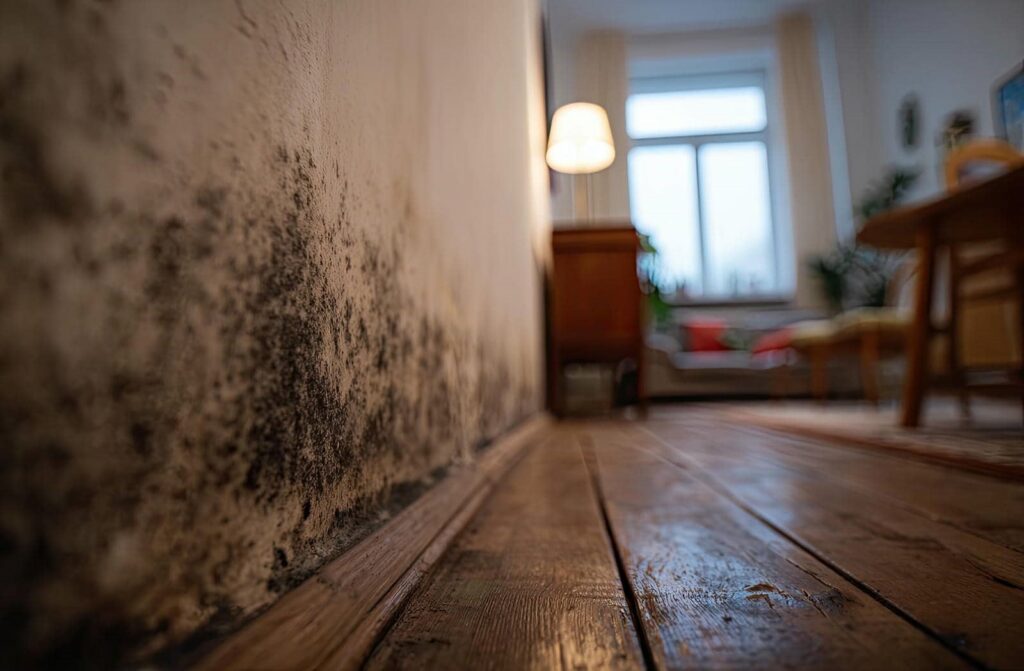
Removing black mold can be crucial for your health, yet it’s often underestimated. To tackle this black mold removal issue safely, you need to follow specific precautions. Start by safeguarding yourself with the right protective gear, then ensure the affected area is properly isolated. Finally, choose the appropriate cleaning solutions to effectively eliminate the mold. Understanding these steps can make a significant difference in your approach. Let’s explore each tip in detail to ensure a safe and effective removal process.
Key Takeaways
- Wear high-quality protective gear, including N95 masks, goggles, and gloves, to ensure safety during mold removal.
- Isolate the affected area by sealing it with plastic sheeting and closing doors and windows to contain spores.
- Use effective cleaning solutions like commercial mold cleaners or a vinegar and water mix to eliminate mold.
- Assess the severity of mold growth to determine the appropriate removal methods and document affected areas.
- Post-removal, monitor for regrowth and maintain low humidity levels to prevent future mold issues.
Wear Protective Gear
When tackling black mold removal, wearing protective gear is essential for your safety. You’ll want to equip yourself with a high-quality protective mask to filter out mold spores and prevent inhalation. Look for masks rated N95 or higher, as these provide effective filtration without being overly cumbersome.
In addition to a mask, don’t forget to wear safety goggles. These protect your eyes from mold spores and any cleaning agents you might use. Mold can trigger allergic reactions and respiratory issues, so safeguarding your eyes is an important step.
Consider wearing gloves and a long-sleeved shirt to protect your skin from irritation. By taking these precautions, you’ll feel more confident and secure while tackling the mold issue.
Isolate the Affected Area
After donning protective gear, the next step is to isolate the affected area to prevent mold spores from spreading throughout your home.
Start by closing doors and windows to create a barrier. Use plastic sheeting to seal off the contaminated space, ensuring no air can escape or enter. This isolation helps you identify contamination sources and assess mold severity without risking further exposure.
Make sure to turn off HVAC systems to avoid circulating spores. If possible, designate one entry point for yourself and any equipment, keeping it separate from the rest of your living space.
Inform everyone in your household about the isolation to maintain safety. Remember, your goal here is to contain the mold, allowing for a more effective removal process later.
Use Proper Cleaning Solutions
To effectively eliminate black mold, using proper cleaning solutions is essential. Not all products are created equal, so you’ll want to choose effective solutions that target mold spores without compromising your health or the environment.
Here are some options to contemplate:
- Commercial Mold Cleaners: These are formulated specifically for mold removal and often contain powerful ingredients that kill mold at the root.
- Vinegar and Water: A natural alternative, vinegar can effectively kill about 82% of mold species. Mix equal parts vinegar and water in a spray bottle for application.
- Baking Soda: This common household item removes mold and absorbs moisture, helping to prevent future growth.
Whichever solution you choose, always wear protective gear and ensure proper ventilation while cleaning.
Frequently Asked Questions
How Can I Tell if I Have Black Mold?
You can identify black mold by looking for dark, slimy patches in damp areas. Check for mold symptoms like coughing, sneezing, or skin irritation using a mold symptoms checklist to confirm potential exposure.
What Are the Health Risks of Black Mold Exposure?
Exposure to black mold can lead to various health effects, including respiratory issues, allergies, and skin irritation. You might experience symptoms like coughing, sneezing, or headaches, especially if you’re sensitive or have pre-existing health conditions.
Can I Remove Black Mold Myself, or Should I Hire a Professional?
You can remove black mold yourself using DIY methods, but if the infestation’s severe, hiring professional services is safer. Professionals ensure thorough removal, reducing health risks and assuring your space remains mold-free and healthy.
How Long Does It Take to Remove Black Mold Completely?
Removing black mold completely can take anywhere from a few days to several weeks, depending on the extent of mold growth and the removal methods used. Make certain you follow a thorough removal timeframe for safety.
What Should I Do if Mold Returns After Removal?
If mold returns after removal, you should implement preventive measures and enhance mold monitoring. Homes experience recurring mold issues, highlighting the importance of consistent checks and proper ventilation to prevent future growth.
Recap
Tackling black mold is like steering through a minefield; safety is your best defense. By wearing protective gear, isolating the affected area, and using the right cleaning solutions, you can effectively eliminate this hidden threat. Don’t underestimate the importance of each step—together, they create a barrier against potential health risks. Take these precautions seriously, and you’ll reclaim your space and ensure a healthier environment for everyone.
Recent Posts
Why Choose 24/7 Pipe Leak Cleanup
Does immediate 24/7 pipe leak cleanup really reduce total water damage, or does the timing
24/7 Burst Leak Cleanup Guide
When a burst leak hits, you need to act fast and stay methodical. You’ll shut
What Is 24/7 Pipe Leak Cleanup?
When a pipe leaks without warning, you need help fast, not hours later. 24/7 pipe