
Contents
When a pipe leaks without warning, you need help fast, not hours later. 24/7 pipe leak cleanup gives you emergency response any time of day, so you can stop water damage before it spreads through walls, floors, and fixtures. You’ll get immediate extraction, drying, and damage assessment, but the full process involves more than removing water. What happens next can determine whether your home recovers cleanly or faces bigger problems.
Key Takeaways
- 24/7 pipe leak cleanup is emergency response that stops water damage anytime, day or night.
- It includes shutting off water, removing standing water, and protecting belongings and electrical hazards.
- Technicians inspect leak sources, damaged areas, and hidden moisture in walls, floors, and ceilings.
- The process uses extraction, drying equipment, and antimicrobial treatment to prevent mold growth.
- Reliable services document damage, monitor drying, and restore the space quickly and safely.
What to Do After a Pipe Leak
As soon as you notice a pipe leak, shut off the water supply to stop further damage. Then, move nearby belongings away from the affected area and dry any standing water you can safely reach. Your immediate response should focus on controlling the source, protecting finishes, and reducing moisture spread.
Next, inspect accessible joints, valves, and pipe runs for visible cracks or loose fittings without forcing anything. If you can do so safely, place a bucket under active drips and ventilate the room to help limit humidity.
For pipe leak prevention, document the location, time, and extent of the leak so you can share accurate details with a qualified technician. You’re not handling this alone; prompt, methodical action helps your home recover quickly and keeps your space secure.
Signs You Need Emergency Pipe Leak Cleanup
If water is spreading beyond the leak source, soaking drywall, flooring, or insulation, you need emergency pipe leak cleanup right away.
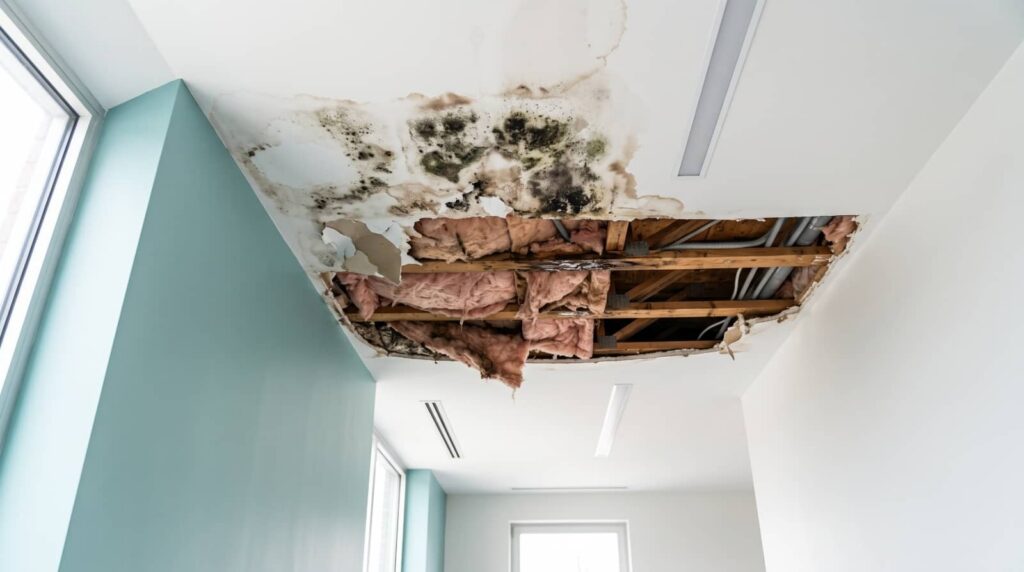
You may also notice ceiling staining, bubbling paint, warped trim, or a damp odor that doesn’t fade. These signs suggest hidden moisture migration, not a minor surface issue.
If your flooring feels soft or sounds hollow, call for leak detection before structural damage advances.
You should also act fast when water appears near electrical fixtures, HVAC components, or shared walls, because the risk grows quickly.
A prompt emergency response helps limit secondary damage and protects the space you live in.
You’re not overreacting; you’re recognizing conditions that need skilled cleanup, moisture control, and fast, coordinated support from a team that knows how to restore confidence.
How to Stop the Leak and Shut Off Water
When a pipe starts leaking, your first job is to limit the water at the source and shut off supply fast. Turn the nearest fixture valve clockwise, then find the main shutoff and close it fully.
If you’re in a shared building, tell your building team right away so you’re not handling it alone. Open a faucet downstream to relieve pressure and slow runoff.
Next, do a quick pipe inspection: look for visible cracks, loose joints, or corrosion around the wet area. Use leak detection cues like dripping, hissing, or damp walls to pinpoint the active line.
Don’t force damaged fittings or remove pipe wraps. Stay calm, work methodically, and you’ll protect your space while the next repair step begins.
What Happens During Emergency Pipe Leak Cleanup?
Emergency pipe leak cleanup usually starts with a rapid site assessment, then moves into water extraction, drying, and damage control.
You’ll see an emergency response team map the leak path, protect unaffected areas, and document visible damage for your records. They use cleanup equipment such as pumps, vacuums, moisture meters, and containment barriers to remove standing water and limit spread.
You can expect them to check nearby materials for saturation, isolate electrical hazards, and coordinate next steps with you so you’re never guessing.
The goal is to stabilize the space quickly, reduce secondary damage, and keep you informed at each stage.
With a trained crew on site, you’re not handling this alone—you’re getting focused support, clear communication, and a plan that puts your property first.
How Cleanup Teams Dry Out Walls and Floors
You’ll see cleanup teams start by removing trapped moisture from walls with air movers, dehumidifiers, and targeted drying mats to keep water from spreading inside the structure.
They’ll also extract floor moisture with weighted extraction tools and controlled airflow so subflooring dries evenly. This process helps stabilize the area quickly and reduces the risk of warping, mold, and hidden damage.
Wall Drying Methods
After a pipe leak, cleanup teams use a combination of air movement, dehumidification, and controlled removal to dry walls and floors efficiently.
You’ll see technicians map moisture levels, open limited wall sections, and direct drying equipment into cavities so trapped vapor can escape.
If wall insulation holds water, they assess whether it can dry in place or needs removal to protect structural materials and indoor air quality.
High-velocity air movers create pressure differences, while dehumidifiers pull moisture from the air, speeding evaporation.
You stay informed throughout the process, so you know what’s drying, what’s being monitored, and why each step matters.
This method helps your space recover with less disruption, and it keeps you connected to a team that’s focused on precision, safety, and a complete dry-out.
Floor Moisture Removal
Once wall cavities are drying, cleanup teams turn to floor moisture removal to stop residual water from spreading or wicking into baseboards, subfloors, and framing.
You’ll see them map the affected area with moisture detection tools, then lift carpets, remove padding, and expose wet materials so airflow can work efficiently.
They place drying equipment along edges, under cabinets, and near seams where water often hides.
If your flooring is tile, wood, or laminate, they adjust temperature, humidity, and air movement to match the material.
They also check for trapped moisture at junctions and in low spots, so nothing gets missed.
You stay informed throughout the process, and that steady communication helps you feel confident your space is being restored with care, precision, and respect.
When Pipe Leak Restoration Is Needed
You need pipe leak restoration when you can see warped drywall, stained surfaces, or pooled water that won’t dry on its own.
You also need it when moisture has spread behind walls or under flooring, even if the visible damage seems limited.
Prompt restoration helps you control mold growth and lingering odors before they become more difficult to remove.
Visible Water Damage
Visible water damage is a clear sign that pipe leak restoration is needed, especially when stains, swelling, peeling paint, warped flooring, or damp drywall appear around the affected area.
You should treat these indicators as active failure points, not cosmetic issues. A prompt damage assessment helps you verify the leak source, measure surface impact, and decide whether cleanup can start right away.
If you see visible mold, the response should be even faster, since it often confirms prolonged moisture exposure.
You’re not dealing with this alone; a skilled restoration team can document conditions, contain the area, and begin targeted drying.
Quick action limits further deterioration and helps your property return to a safe, stable condition with less disruption for you and everyone sharing the space.
Hidden Moisture Spread
When moisture escapes behind walls, beneath floors, or into ceiling cavities, the damage often spreads far beyond the obvious leak point. You may see a small stain, but concealed saturation can travel through framing, insulation, and subflooring.
That’s where moisture detection becomes essential. Using calibrated meters and thermal imaging, you can confirm whether materials are still wet and identify hidden dangers before structural weakening worsens.
You don’t need to guess; pipe leak restoration teams map the spread, isolate affected areas, and dry them with controlled airflow and dehumidification. This process protects your home’s structure and helps you stay ahead of costly repairs.
When you act quickly, you’re not just fixing a leak—you’re restoring safety, stability, and confidence in your space.
Mold And Odor Risks
Moisture that lingers after a pipe leak can create ideal conditions for mold growth and persistent odors within 24 to 48 hours.
You need fast drying, antimicrobial treatment, and careful monitoring to protect your home and everyone in it.
Mold can start on drywall, insulation, and framing, where trapped humidity feeds spores and spreads contamination.
Odors often signal hidden moisture, so you shouldn’t ignore musty smells after cleanup.
Professional odor removal targets porous materials and airborne residues, while mold prevention focuses on lowering humidity, removing wet components, and sealing affected areas.
When you act quickly, you reduce health risks, limit structural damage, and restore a cleaner, safer space that feels like home again.
Why Mold Inspection Matters After a Leak
Even after you dry out a leak, hidden moisture can remain inside walls, flooring, or insulation, creating the right conditions for mold growth within 24 to 48 hours.
That’s why a mold inspection matters after a leak: you need to confirm the area is truly dry, not just dry to the touch.
Trained inspectors use inspection techniques such as moisture meters, thermal imaging, and visual checks to find damp pockets you can’t see.
When you catch contamination early, you protect indoor air quality, materials, and your household’s comfort.
You’re not dealing with this alone; a thorough inspection helps your home return to a safe, stable condition with confidence.
How to Choose a Pipe Leak Cleanup Company
Once you’ve confirmed the area is dry and free of hidden moisture, the next step is choosing a pipe leak cleanup company that can restore your home correctly.
You should verify company reputation by reading recent reviews, checking licenses, and asking for proof of insurance. A reliable team will explain its drying, sanitizing, and structural monitoring methods in clear terms.
Confirm service availability, especially if you need emergency response after hours or on weekends. You’ll want technicians who arrive with moisture meters, extraction tools, and written scopes of work.
Ask whether they coordinate with plumbers and insurers, because that keeps repairs aligned. When you choose a company that communicates well and respects your home, you join a team focused on safety, speed, and lasting recovery.
Frequently Asked Questions
How Quickly Should 24/7 Pipe Leak Cleanup Start?
You should start 24/7 pipe leak cleanup immediately, ideally within minutes, because emergency response limits water migration and damage assessment verifies affected materials, helping you protect your property and restore normal conditions fast.
Does Insurance Cover Emergency Pipe Leak Cleanup?
Yes, your insurance policies may cover emergency pipe leak cleanup, but coverage limits vary. You’ll want to review your deductible, exclusions, and claim terms quickly, so you can protect your home and feel supported.
Can Pipe Leaks Happen Inside Walls Without Visible Water?
Yes—pipe leaks can hide inside walls without visible water, like silent drips in a sealed chamber. You’ll often notice hidden leaks through wall damage, damp odors, or stains, and prompt inspection keeps you protected and included.
What Tools Do Cleanup Teams Use for Hidden Moisture Detection?
You use moisture meters and thermal imaging to find hidden dampness fast. You’ll also see hygrometers, infrared cameras, and probing tools. They help you feel confident, connected, and informed while crews pinpoint damage precisely.
How Much Does After-Hours Pipe Leak Cleanup Usually Cost?
You’ll usually pay $200 to $1,000 for after-hours pipe leak cleanup, depending on emergency response speed, leak size, access, and drying needs. Your final cost factors include labor, equipment, and any repair complexity.
Summary
When a pipe bursts, you’re not just stopping water—you’re protecting the foundation of your home. 24/7 pipe leak cleanup acts like a shield, catching damage before it spreads. You’ll get fast water removal, targeted drying, and mold prevention when every minute counts. If you act quickly and choose the right team, you can restore order, reduce losses, and keep a small leak from becoming a much larger problem.
Recent Posts
What Is 24 Hour Water Damage Cleanup?
If you’re dealing with a water emergency, 24 hour water damage cleanup gives you immediate
Ceiling Leak Mold Inspection Report Guide
If you’re dealing with a ceiling leak, you need to know how mold can develop,
5 Tips for Mold Inspection Reports
When you review a mold inspection report, you need to check more than just the