
Contents
Steering through mold remediation claims can be tricky, especially when you’re dealing with the stress of damage in your home. It’s critical to understand your insurance policy coverage, document the damage thoroughly, and work with certified professionals. Each step plays an important role in streamlining your claim process. Let’s explore these essential tips to ensure you’re prepared for what lies ahead.
Key Takeaways
- Review your insurance policy to understand mold coverage limits and exclusions before filing a claim.
- Document all mold damage thoroughly, including photos, item lists, and any health concerns related to exposure.
- Engage certified professionals for mold remediation to ensure quality work and compliance with safety standards.
- Report mold issues to your insurance company promptly to avoid complications in coverage.
- Maintain clear communication with your insurance adjuster and follow up regularly on the status of your claim.
Understand Your Insurance Policy Coverage
How well do you understand your insurance policy coverage when it comes to mold remediation?
It’s essential to know the details, especially your policy limits and coverage exclusions. Many homeowners assume that mold damage is automatically covered, but that’s not always the case. Some policies might only provide limited coverage, especially if mold results from neglect or lack of maintenance.
Take time to read your policy carefully, focusing on the sections related to water damage and mold.
Look for specific exclusions that might affect your claim. For example, if your policy states that it doesn’t cover mold growth due to a slow leak, you could face significant out-of-pocket expenses.
Understanding these terms empowers you to navigate the claims process more effectively.
If you’re unsure, consider reaching out to your insurance agent for clarification. Being informed can make a difference when you need support the most.
Document the Damage Thoroughly
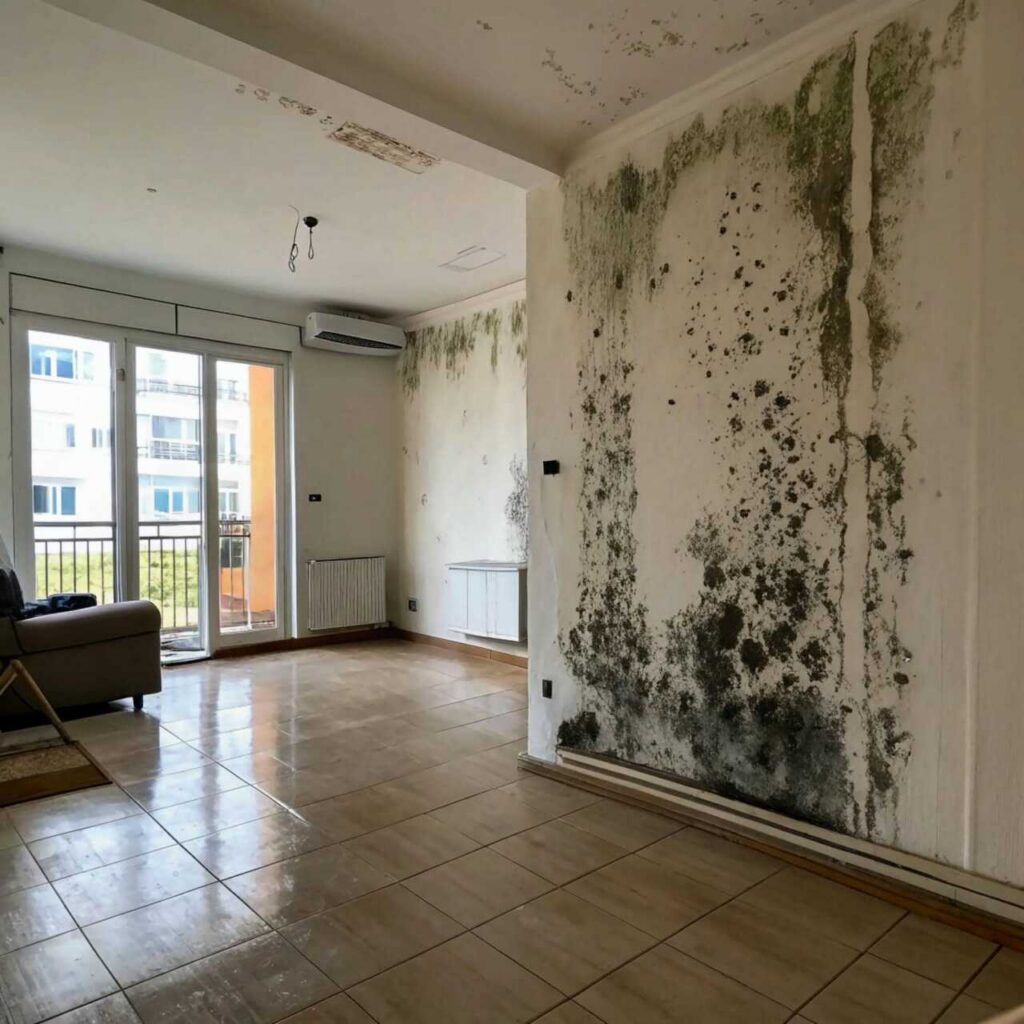
Once you’re clear on your insurance policy coverage, the next step is to document the damage thoroughly. Start by conducting a detailed mold assessment. Identify all affected areas, including walls, ceilings, and personal belongings. Make an extensive list of items damaged by mold, noting their condition and estimated value.
Capture damage photos from multiple angles. Verify these images are clear and well-lit to effectively showcase the extent of the mold growth. This visual evidence will support your claim and help the insurance adjuster understand the severity of the situation.
Additionally, record any musty odors or health concerns related to mold exposure, as these may strengthen your case. Keep all documentation organized and easily accessible, as this will facilitate the claims process.
Work With Certified Professionals
When dealing with mold remediation, collaborating with certified professionals is essential for ensuring a safe and effective cleanup. Certified contractors possess the training and expertise necessary to identify mold types, assess the extent of the damage, and implement appropriate remediation processes.
By working with these experts, you receive quality service and peace of mind, knowing the job is done correctly.
Additionally, certified professionals follow industry standards and safety regulations, minimizing the risk of further contamination or health hazards. They can also guide you through the claims process, helping you understand what documentation and evidence you’ll need to support your case.
Investing in certified contractors fosters a sense of community, as you’re prioritizing safety for yourself and others.
Frequently Asked Questions
How Long Does the Mold Remediation Process Typically Take?
Mold remediation typically takes a few days to a couple of weeks. Factors influencing the timeline include mold growth duration, the extent of damage, and the required treatments. You’ll receive a clearer estimate from professionals.
Will My Insurance Cover Mold Removal Costs?
Your insurance might cover mold removal costs, but it depends on your mold policy’s specifics and coverage limits. Review your policy carefully, and don’t hesitate to ask your agent for clarification on what’s included.
Can I File a Claim for Hidden Mold Damage?
Yes, you can file a claim for hidden mold damage if your policy covers it. Document the damage thoroughly and report it promptly to your insurance company to increase your chances of a successful claim.
What Are the Signs of Mold Growth to Look For?
You’ll notice signs like musty odors, dark spots on walls, and increased allergy symptoms. Different mold types can trigger various health effects, so it’s essential to act quickly if you suspect mold growth in your space.
How Do I Prevent Mold From Returning After Remediation?
To prevent mold from returning, implement preventative measures like maintaining humidity control below 60%. Use dehumidifiers, ensure proper ventilation, fix leaks promptly, and regularly inspect areas prone to moisture. Consistent diligence is key to mold prevention.
Review
Steering through mold remediation claims can feel like walking through a maze, but by understanding your policy, documenting damage meticulously, and collaborating with certified professionals, you can find your way out. Think of your insurance claim as a puzzle; each piece—your documentation, policy knowledge, and expert guidance—fits together to create a clearer picture. By taking these steps, you simplify the process and ensure you’re protected from the hidden dangers lurking in the shadows of mold damage.
Recent Posts
5 Tips for Mold Inspection After Leaks
A damp stain spreads across the ceiling like a warning signal, and you need to
What to Do After a Ceiling Leak
After a ceiling leak, you need to act fast to limit damage and reduce repair
Why Choose 24/7 Pipe Leak Cleanup
Does immediate 24/7 pipe leak cleanup really reduce total water damage, or does the timing