
Contents
When water sneaks through your property like an unwelcome guest, 24/7 water cleanup is the emergency service you call to stop the damage fast. You get prompt water removal, moisture extraction, and drying with specialized equipment to protect materials and air quality. It’s built for leaks, floods, and burst pipes, but the real question is how quickly it can limit what happens next.
Key Takeaways
- 24/7 water cleanup is an emergency service that responds anytime to remove standing water and moisture.
- It helps prevent structural damage, mold growth, and poor air quality after leaks, floods, or burst pipes.
- Technicians use pumps, vacuums, dehumidifiers, and air movers to extract water and dry affected materials.
- The process includes inspection, moisture mapping, water removal, and continuous monitoring until conditions are stable.
- Fast response is critical because every hour of delay can increase damage and repair costs.
What Is 24/7 Water Cleanup?
24/7 water cleanup is an around-the-clock emergency response service that removes standing water, extracts moisture from affected materials, and helps prevent secondary damage after leaks, floods, or plumbing failures.
You get a fast, structured process that uses pumps, vacuums, dehumidifiers, and air movers to dry your space efficiently.
Technicians inspect hidden areas, measure moisture levels, and track drying progress so you can stay informed and confident.
This service is part of water damage restoration services, and it focuses on stabilizing your property before problems spread.
You’re not left guessing; you get clear steps, practical support, and a team that works to return your home or business to safe, usable conditions.
It’s a reliable response when water disrupts your routine and you need expert help.
When to Call for Emergency Water Cleanup
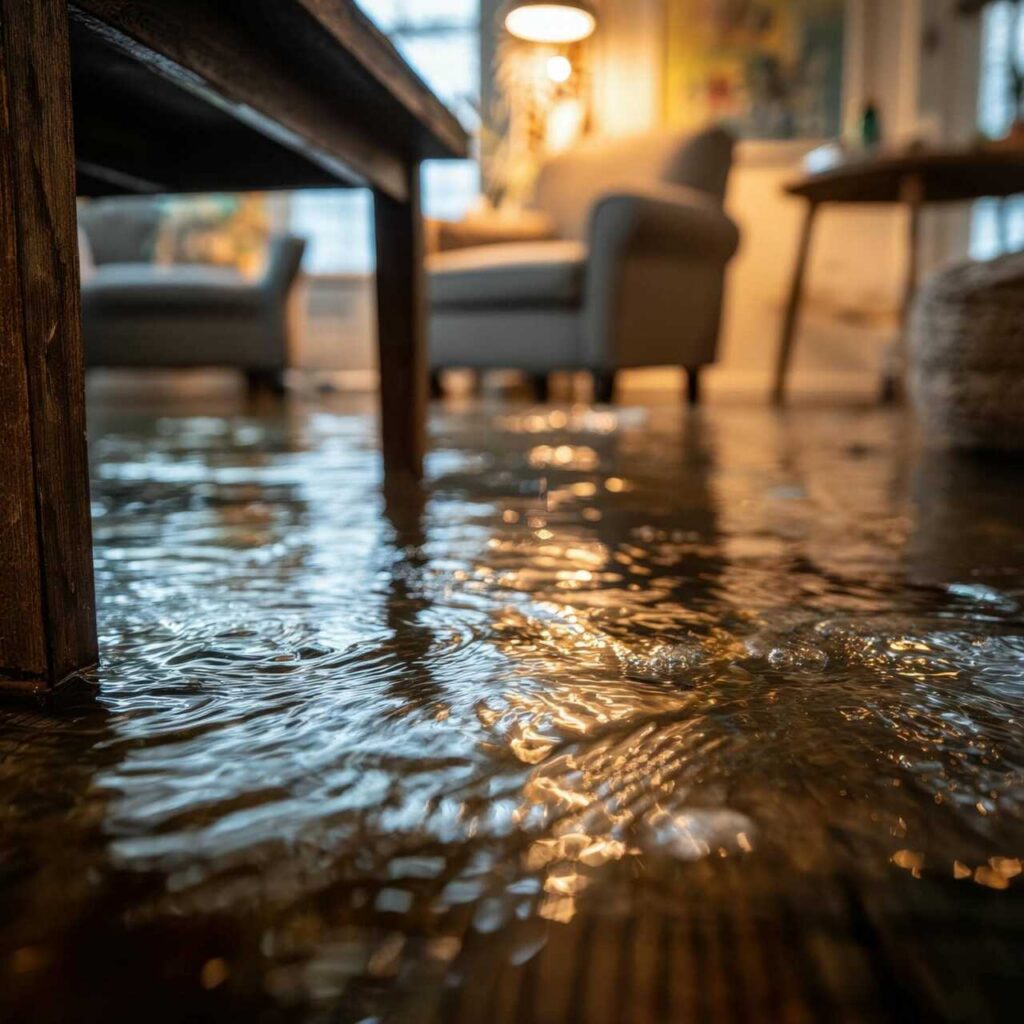
You should call for emergency water cleanup as soon as standing water appears, a pipe bursts, an appliance leaks, or floodwater enters your property. Quick action limits structural damage, protects indoor air quality, and helps your home stay safe for your household.
In a true flood response, every hour matters, so don’t wait to see if moisture dries on its own. Contact a water restoration team when you notice:
- Water spreading under flooring or into walls
- A sewage backup or contaminated runoff
- Persistent damp odors after a leak
- Electrical systems near wet areas
You’re not overreacting by asking for help; you’re joining a community of property owners who act early and protect what matters.
What Happens During Water Cleanup
Water cleanup typically starts with a rapid inspection to identify the source, the type of water involved, and the extent of damage. You’ll see technicians map wet areas, check drainage systems, and isolate hazards so the job stays controlled.
Next comes water extraction, using pumps and vacuums to remove standing water from floors, cavities, and carpets. After that, crews move air with dehumidifiers and fans to lower moisture in materials and prevent hidden buildup. They also monitor humidity and surface readings so you know the space is drying correctly.
If materials are salvageable, they’ll clean and stabilize them, helping your home feel safe again. Throughout the process, you stay informed, supported, and part of a clear recovery plan.
What Emergency Water Cleanup Covers
Emergency water cleanup covers the urgent steps needed to stop damage from spreading and make a property safe to use again. You’ll get rapid extraction, debris control, and moisture mapping so your team can act fast.
In flood recovery, crews remove standing water, protect affected rooms, and help you document losses. When sewage removal is involved, they isolate contaminated areas, remove waste, and sanitize hard surfaces to reduce health risks.
You’ll also see targeted drying for floors, walls, and contents, plus monitoring to verify conditions are stable.
- Extract water quickly
- Contain unsafe areas
- Clean and disinfect surfaces
- Track drying progress
When Water Damage Requires Mold Inspection
Even after fast extraction and drying, lingering moisture can still create conditions for hidden mold growth, so a mold inspection is warranted when water has sat for more than 24 to 48 hours, materials stayed damp, or there’s a musty odor, visible spotting, or recurring humidity problems.
You should treat these signs as a trigger for testing, because mold can spread inside drywall, insulation, and subfloors before you see damage. A qualified inspector can measure moisture, sample suspect areas, and identify whether cleanup needs more than drying alone.
Acting early helps you reduce health risks, protect indoor air quality, and avoid larger repairs. If you’re dealing with persistent dampness, you’re not overreacting—you’re responding the way informed property owners do.
How Storm and Burst Pipe Damage Spread
When storms or a burst pipe send water into a building, the damage rarely stays where it started. You’ll see storm impact or pipe failure push water through flooring seams, wall cavities, and HVAC chases, so hidden materials can soak fast.
Gravity pulls it downward, but capillary action and air movement spread it sideways and upward, too.
- Dry surfaces quickly to limit migration.
- Check baseboards, insulation, and subfloors.
- Trace moisture beyond visible staining.
- Protect your crew and neighbors from hazards.
If you act with your team right away, you can map the path, stop secondary damage, and restore the space with confidence.
Monitor humidity, because trapped moisture can weaken structures and invite mold.
Frequently Asked Questions
Does 24/7 Water Cleanup Include Sewage Backups?
Yes, 24/7 water cleanup usually includes sewage backups; you’d get sewage removal, sanitizing, and drying fast. You can also ask about backup prevention, so your home feels protected, restored, and supported.
How Quickly Should Standing Water Be Removed?
You should remove standing water immediately, ideally within 24 hours, because removal urgency limits structural damage and mold growth. Act fast, document conditions, and call professionals if you can’t dry affected areas safely.
Can Water Cleanup Prevent Long-Term Structural Damage?
Yes, you can prevent long-term structural damage by removing water quickly, drying materials, and restoring affected areas. This supports mold prevention and property preservation, so you’ll protect your home and stay part of a safer, healthier space.
Is Emergency Water Cleanup Covered by Homeowner’s Insurance?
Usually, yes, but only if your policy covers sudden water damage. You should file insurance claims quickly, document losses, and verify exclusions; coincidence often helps when a burst pipe triggers the same damage you’re reporting.
What Equipment Is Used During Overnight Water Cleanup?
You’ll use water extraction pumps, air movers, dehumidifiers, and moisture meters overnight. You can also deploy containment barriers and HEPA air scrubbers to speed drying, control humidity, and keep your space safe.
Final Thoughts
When water strikes, you need to move fast—because every minute counts. 24/7 water cleanup gives you immediate response, removes standing water, extracts hidden moisture, and helps stabilize your property before damage spreads. You’ll protect materials, reduce safety risks, and limit the chance of mold growth. If leaks, floods, or burst pipes hit your home or business, don’t wait. Call for emergency cleanup right away and take control before water takes more than it leaves.
Recent Posts
What Is 24 Hour Water Damage Cleanup?
If you’re dealing with a water emergency, 24 hour water damage cleanup gives you immediate
Ceiling Leak Mold Inspection Report Guide
If you’re dealing with a ceiling leak, you need to know how mold can develop,
5 Tips for Mold Inspection Reports
When you review a mold inspection report, you need to check more than just the