
Contents
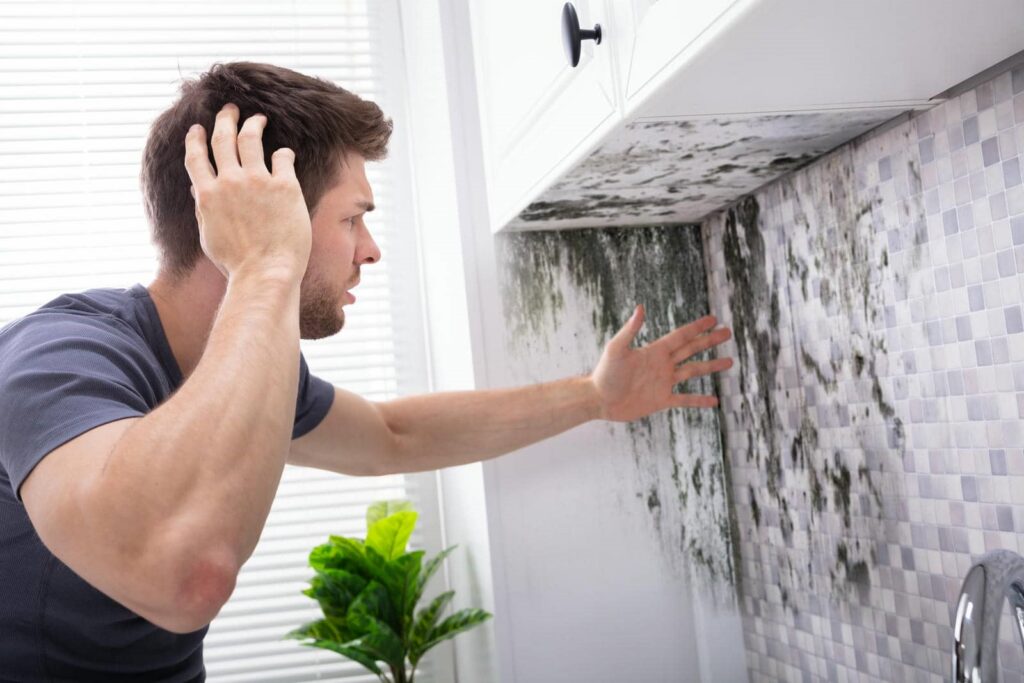
When tackling black mold, it’s vital to approach the situation methodically. First, you’ll need to assess the affected area carefully to gauge the extent of the infestation. From there, identifying the source of moisture is essential, as it directly impacts your cleaning strategy. Choosing the right cleaning solution is just as important, as not all methods work effectively for every situation. Understanding these principles sets the foundation for a successful mold removal process, but what comes next?
Key Takeaways
Conduct a thorough assessment of the affected area using moisture meters and visual inspections to identify the source of black mold.
Utilize effective cleaning solutions like vinegar, baking soda, or hydrogen peroxide to scrub and disinfect mold-infested surfaces.
Ensure proper ventilation during the removal process by opening windows, using fans, and wearing personal protective equipment for safety.
Safely dispose of contaminated materials in sealed bags and follow local regulations for hazardous waste disposal to prevent spore spread.
Implement moisture control measures, such as dehumidifiers and regular inspections, to prevent future mold growth and maintain healthy humidity levels.
Assessing the Affected Area
When tackling black mold removal, evaluating the affected area is essential. You’ll want to employ effective mold inspection techniques to accurately identify the scope of the problem.
Start by visually inspecting surfaces for discoloration and texture changes, as these can indicate mold presence. Utilize area assessment tools, such as moisture meters and thermal imaging cameras, to detect hidden mold behind walls or under flooring. These tools help you gather critical data, allowing you to understand how extensive the mold infestation is.
Once you’ve assessed the area, document your findings with detailed notes and photographs. This will help you develop a targeted removal strategy and provide a reference for future inspections.
Engaging in this thorough assessment ensures that you address the existing mold and helps prevent recurrence, making your living space healthier and more welcoming for everyone.
Safety Precautions Before Starting
Before starting the mold removal process, it’s essential to prioritize safety to protect yourself and others in the vicinity.
Begin by equipping yourself with personal protective equipment (PPE), including a mask, gloves, and goggles. This gear minimizes your exposure to mold spores, which can pose serious health risks.
Next, ensure proper ventilation in the workspace. Open windows and doors to create airflow, reducing airborne contaminants. If possible, use fans to help circulate fresh air, making the environment safer for you and anyone nearby.
Additionally, consider sealing off the affected area to prevent mold spores from spreading to other parts of your home.
By taking these precautions, you create a safer removal process, fostering a sense of community and care for everyone involved.
Identifying the Source of Moisture
To effectively remove black mold, you need to identify its moisture source.
Common areas to inspect include leaky pipes, damp basements, and poorly ventilated spaces.
Common Moisture Sources
Identifying common moisture sources is essential for effective black mold removal, as moisture serves as the primary catalyst for mold growth.
You’ll want to examine your environment closely to pinpoint where moisture accumulates. Here are some common sources to investigate:
- Condensation issues in poorly ventilated areas
- Plumbing leaks from pipes or fixtures
- Flooding from heavy rainfall or burst pipes
- High humidity levels in bathrooms or kitchens
- Damp basements or crawl spaces with inadequate drainage
Inspecting Hidden Areas
How can you ensure all potential moisture sources are addressed in your black mold removal efforts?
Begin with thorough inspection techniques to uncover hidden mold lurking in your home. Check common problem areas like behind walls, under sinks, and around windows, where moisture often accumulates.
Use a moisture meter to identify damp spots and ascertain you inspect areas that may not be immediately visible, such as crawl spaces and attics.
Look for signs like discoloration or musty odors, which can indicate hidden mold growth.
Don’t overlook plumbing and HVAC systems, as leaks can create ideal conditions for mold.
Preventive Measures Needed
While tackling black mold removal, it’s essential to pinpoint the source of moisture that fuels its growth.
Identifying and addressing these sources not only prevents mold but fosters a healthier environment for you and your loved ones.
Implementing preventive measures is vital. Here are some steps you can take:
- Use mold resistant materials in construction and renovations.
- Schedule regular inspections of areas prone to moisture, like basements and bathrooms.
- Repair leaks promptly to minimize water accumulation.
- Maintain proper ventilation in high-humidity areas.
- Monitor humidity levels, ensuring they stay below 60%.
Choosing the Right Cleaning Solution
When tackling black mold removal, selecting the right cleaning solution is essential.
You can choose between natural cleaning solutions, chemical cleaners, or DIY methods, each with its own effectiveness and safety considerations.
Understanding these options will help you make an informed decision tailored to your specific situation.
Natural Cleaning Solutions
As you contemplate tackling black mold removal, choosing the right natural cleaning solution is essential to ensure effectiveness and safety.
Natural solutions help eliminate mold and minimize health risks for you and your family. Here are some options to contemplate:
Vinegar solutions: Acetic acid in vinegar can kill most mold species.
Baking soda: This gentle abrasive cleans and deodorizes.
Tea tree oil: A natural fungicide that’s effective against mold.
Hydrogen peroxide: A potent agent that can tackle tougher mold stains.
Lemon juice: Its acidity helps to inhibit mold growth.
Chemical Cleaners Overview
Natural cleaning solutions can be effective, but sometimes you need stronger options to combat stubborn black mold infestations.
When considering chemical cleaners, it’s vital to understand the various chemical formulations available, each designed to target specific mold types effectively. Look for products that emphasize cleaning efficacy, as this ensures that the solution removes mold and inhibits its regrowth.
Always read labels carefully to identify key active ingredients, like bleach or hydrogen peroxide, and their recommended usage. Additionally, consider safety precautions; protective gear is essential when using potent chemicals.
Effectiveness of DIY Methods
While chemical cleaners are often effective for severe black mold issues, DIY methods can also provide a viable solution for lighter infestations.
Understanding the removal effectiveness of DIY mold solutions is key to successful remediation. Here are some popular options you might consider:
- Vinegar: A natural antifungal that can kill mold.
- Baking Soda: A gentle abrasive that can scrub surfaces without damage.
- Hydrogen Peroxide: An effective disinfectant that penetrates porous materials.
- Tea Tree Oil: A natural mold killer with antifungal properties.
- Borax: A mineral that can inhibit mold growth and clean surfaces.
Choosing the right solution can greatly enhance your mold removal effectiveness, keeping your space safer and healthier.
Scrubbing and Removing Mold
To effectively tackle black mold, you need to focus on scrubbing and removing it with precision. Start by gathering the right tools: a stiff-bristled brush, gloves, and a suitable cleaning solution, such as a mixture of water and detergent or a commercial mold remover.
When applying mold removal techniques, make certain you work in a well-ventilated area. Use scrubbing methods that allow you to reach all affected surfaces. Scrub vigorously but carefully, as a gentle touch won’t suffice. Pay attention to corners and crevices where mold likes to hide.
After scrubbing, wipe down the area with a damp cloth to remove residual spores. Finally, allow the surface to dry completely; moisture encourages mold regrowth.
Disposing of Contaminated Materials
When dealing with black mold, it’s crucial to properly dispose of contaminated materials to prevent further spread. Unsafe disposal can lead to health risks and additional contamination in your home.
Here are some best practices for safe handling and contaminated disposal:
- Seal affected materials in heavy-duty plastic bags.
- Label bags clearly to indicate they contain mold.
- Avoid shaking or agitating materials to minimize spore release.
- Dispose of bags in accordance with local regulations—some areas require special disposal methods.
- Consider wearing protective gear, such as gloves and masks, during the process.
Drying and Dehumidifying the Area
After safely disposing of contaminated materials, addressing moisture in the affected area is vital to prevent mold from returning.
Start by thoroughly drying the space. Use fans and open windows to increase air circulation, promoting evaporation. This step is fundamental because stagnant air can encourage mold growth.
Next, employ a dehumidifier to maintain ideal humidity levels, ideally between 30-60%. Regularly monitor moisture levels with a hygrometer to ensure effective moisture control.
Pay special attention to hidden areas, such as behind walls and under floors, where moisture can linger undetected.
Consider using moisture-absorbing materials, like silica gel or activated charcoal, to further reduce humidity.
Remember, the key to long-term success in mold remediation is removal and proactive moisture management.
Preventing Future Mold Growth
While addressing immediate mold issues is essential, preventing future growth is equally important for maintaining a safe environment.
You can take several proactive steps to minimize the risk of mold reappearing in your space.
- Use mold-resistant materials in renovations and repairs.
- Ensure proper ventilation in high-moisture areas like bathrooms and kitchens.
- Keep humidity levels below 60% with dehumidifiers.
- Conduct regular inspections of your property, checking for leaks and moisture buildup.
- Clean and maintain gutters to prevent water accumulation.
When to Call a Professional
Taking preventive measures can greatly reduce the likelihood of mold growth, but sometimes, the situation escalates beyond what can be managed with DIY approaches. You should know when to call a professional.
If you notice persistent musty odors, visible mold patches, or increased respiratory issues among your household members, these are significant signs of infestation that demand immediate attention.
Additionally, if the affected area exceeds 10 square feet, it’s wise to seek expert help. Professionals have the tools and expertise to assess the extent of the mold problem, identify its source, and safely remove it.
Moreover, if you’re dealing with mold in hidden or hard-to-reach areas, like behind walls or under flooring, it’s best to rely on specialists who can thoroughly address the issue. Trusting professionals can provide peace of mind, ensuring your home is mold-free and safe for everyone.
Frequently Asked Questions
Can I Remove Black Mold Without Professional Help?
Yes, you can remove black mold without professional help by employing DIY mold removal techniques. Make certain you wear protective gear, use appropriate cleaning solutions, and thoroughly ventilate the area to achieve effective results.
What Are the Health Risks Associated With Black Mold?
Prolonged exposure can lead to respiratory issues, allergic reactions, and neurological effects. It’s essential to address black mold promptly to protect your health.
How Can I Tell if Mold Is Toxic?
You can identify toxic mold by recognizing specific symptoms, like respiratory issues or skin irritations. Utilize mold identification techniques, such as visual inspections or air sampling, to ensure you’re accurately evaluating your environment for potential hazards.
Is It Safe to Paint Over Black Mold?
Painting over black mold isn’t safe. You must use mold remediation methods first, ensuring thorough removal. Then, employ proper paint preparation techniques to ensure a durable finish, fostering a healthier, happier home environment for everyone.
How Long Does It Take to Remove Black Mold?
Removing black mold typically takes a few hours to several days, depending on the severity. A thorough mold cleanup ensures you address all affected areas, impacting the overall removal timeline and preventing future growth.
Recap
In your battle against black mold, remember that prevention is your shield and moisture control is your sword. By diligently evaluating your space, choosing the right cleaning solutions, and maintaining low humidity, you can fortify your home against future infestations. Just as a gardener tends to their plants, nurturing your environment will yield a healthier living space. If the mold persists like an unwelcome guest, don’t hesitate to call a professional—sometimes, a helping hand is the best defense.
Recent Posts
What Is 24 Hour Water Damage Cleanup?
If you’re dealing with a water emergency, 24 hour water damage cleanup gives you immediate
Ceiling Leak Mold Inspection Report Guide
If you’re dealing with a ceiling leak, you need to know how mold can develop,
5 Tips for Mold Inspection Reports
When you review a mold inspection report, you need to check more than just the