
Contents
When it comes to removing black mold from your basement, understanding the extent of the growth is vital. You’ll need to assess the affected areas thoroughly before taking action. Safety precautions are essential, especially regarding personal protection and ventilation. Equipping yourself with the right tools and materials can make a significant difference. Knowing the most effective techniques and solutions will set you on the right path, but there’s more to reflect on for lasting results.
Key Takeaways
- Identify and assess black mold by checking for discoloration, musty odors, and moisture-prone areas like basements and plumbing fixtures.
- Wear protective gear such as gloves, goggles, and an N95 respirator to ensure safety during the removal process.
- Use effective cleaning solutions like undiluted white vinegar, hydrogen peroxide, or commercial mold removers to eliminate mold.
- Scrub affected areas thoroughly with brushes or sponges, and ensure proper ventilation throughout the cleaning process.
- Maintain humidity levels below 60% in the basement and regularly inspect for leaks to prevent future mold growth.
Assessing the Extent of Mold Growth
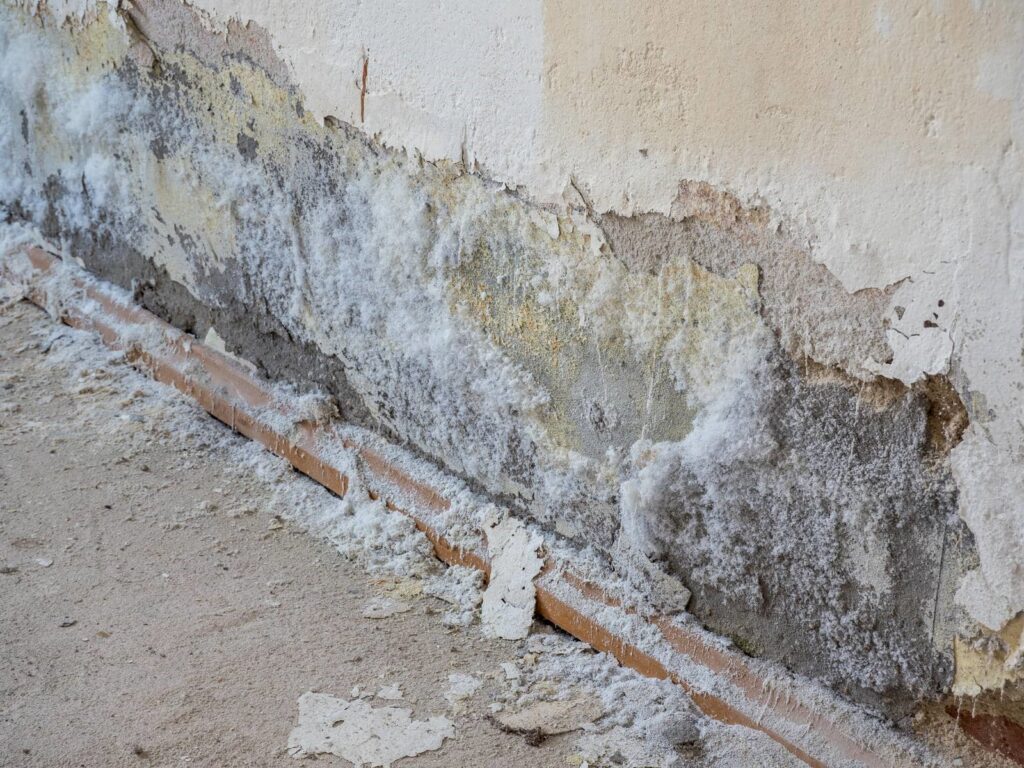
How do you determine the extent of mold growth in your home? Start by looking for mold growth indicators such as visible discoloration on walls, ceilings, or floors.
Check for any musty odors, which often signal hidden mold. You’ll want to inspect areas prone to moisture, like basements, bathrooms, and around plumbing fixtures.
Next, conduct moisture source identification. Look for leaks, condensation, or high humidity levels. Use a moisture meter to quantify the moisture in building materials; readings above 20% often indicate conditions conducive to mold growth.
Don’t forget to check ventilation systems, as poor airflow can exacerbate mold issues.
Document your findings, noting the locations and extent of any visible mold. This detailed assessment will guide you in developing an effective removal strategy, ensuring you address the root cause and prevent future growth.
Safety Precautions Before Starting Removal
Before you plunge into mold removal, it’s vital to prioritize safety to protect yourself and others in your home. Start by wearing protective gear, including gloves, goggles, and an N95 respirator to shield against harmful spores.
Ensure adequate ventilation improvement in the area by opening windows and using fans to disperse any airborne particles. This step is fundamental for minimizing exposure to mold growth during the process.
Consider sealing off the affected area with plastic sheeting to contain spores and prevent them from spreading. Turn off your HVAC system to avoid circulating contaminated air throughout your home.
If mold covers a large area, it might be wise to consult a professional to handle the situation safely. Remember, addressing safety precautions now safeguards your health and fosters a sense of security in your living space, allowing you to reclaim your home with confidence.
Essential Tools and Materials for Mold Removal
Before you start removing black mold, gather essential safety gear like gloves, goggles, and a respirator to protect yourself from spores.
You’ll also need effective cleaning supplies, such as a mold-specific cleaner or a bleach solution, along with scrubbing brushes and disposable rags.
Having these tools ready ensures a more efficient and safer mold removal process.
Safety Gear Essentials
When tackling black mold removal, having the right safety gear is essential to protect yourself from potential health hazards.
Using effective mold identification techniques is only the first step; now, you need protective equipment options to ensure your safety during the process.
Here’s what you should have on hand:
- N95 respirator mask: To filter out mold spores and prevent inhalation.
- Goggles: To shield your eyes from mold exposure and irritants.
- Gloves: Preferably rubber or nitrile, to protect your skin when handling contaminated materials.
- Coveralls: To keep your clothing and skin safe from mold spores and cleaning agents.
Equipping yourself with these essentials enhances your safety and fosters a sense of community as you tackle mold removal together.
Cleaning Supplies Needed
With your safety gear in place, it’s time to gather the necessary cleaning supplies for effective black mold removal.
Start with a scrub brush and sponge, ensuring they’re durable enough for tough stains. You’ll also need a spray bottle for your cleaning solution—mix one cup of bleach with a gallon of water for powerful mold removal.
Don’t forget gloves and a mask to protect yourself during the cleaning process.
For long-term mold prevention strategies, consider using a dehumidifier to maintain ideal humidity levels.
Finally, implement basement ventilation tips, like installing vents or an exhaust fan, to improve air circulation.
With these supplies, you’re well-equipped to tackle black mold and keep your basement safe.
DIY Mold Removal Techniques
DIY mold removal techniques can be effective for tackling small infestations in your home.
Using natural mold solutions helps eliminate mold and promote a healthier living environment.
Here are some practical approaches you can try:
Vinegar: Spray undiluted white vinegar on affected areas, let it sit for an hour, then wipe clean.
Baking Soda: Mix baking soda with water to create a paste, apply it to the mold, and scrub gently.
Hydrogen Peroxide: Use a 3% hydrogen peroxide solution to spray on moldy spots, leave for 10 minutes, then scrub and rinse.
Tea Tree Oil: Combine tea tree oil with water, apply it to the mold, and let it dry to prevent regrowth.
For effective mold prevention, ensure adequate ventilation and keep humidity levels low.
Chemical Solutions for Black Mold
While natural solutions can be effective for minor mold issues, more severe infestations often require chemical solutions for thorough removal of black mold. You’ll typically find products containing bleach, hydrogen peroxide, or commercial mold removers specifically formulated for this purpose.
When using these chemicals, always prioritize safety: wear protective gear like gloves, goggles, and a mask to minimize exposure.
Before applying any chemical solution, make certain the area is well-ventilated to reduce inhalation risks. Apply the solution directly to the affected surfaces, allowing it to sit for the recommended time to ensure effectiveness.
After treatment, scrub the area to remove the mold and thoroughly rinse with water. Dispose of any contaminated materials safely to prevent spreading spores.
Removing Affected Materials
To effectively remove black mold, you first need to assess which materials are affected, such as drywall, insulation, or carpets.
Once you’ve identified the contaminated items, make certain you follow safe disposal practices to prevent mold spores from spreading.
Properly bagging and sealing these materials before disposal is essential for maintaining a clean environment.
Assessing Affected Materials
Evaluating affected materials is essential in the black mold removal process, as it determines the extent of contamination and the necessary remediation steps.
You’ll want to utilize mold identification techniques to pinpoint where the mold has spread, followed by a thorough material durability assessment.
Here’s what you should focus on:
Visual Inspection: Check for visible mold growth and discoloration.
Material Testing: Use swabs or tape to collect samples for lab analysis.
Structural Integrity: Assess if the material can withstand removal and replacement processes.
Moisture Levels: Measure humidity and dampness to prevent future mold growth.
Safe Disposal Practices
When dealing with black mold, following safe disposal practices is essential to prevent further contamination and health risks.
Start by wearing protective gear, including gloves and a mask. Carefully remove affected materials, like drywall or carpeting, and seal them in plastic bags.
If you can, check local guidelines for recycling materials that can be salvaged; some items may be eligible for repurposing. For items beyond salvage, label and dispose of them as hazardous waste at designated facilities. This ensures you’re not inadvertently spreading mold spores.
After disposal, clean the area thoroughly to minimize any remaining risks. By adhering to these steps, you contribute to a healthier environment for yourself and others in your community.
Cleaning and Sanitizing Surfaces
Effective cleaning and sanitizing surfaces affected by black mold is essential for maintaining a safe and healthy environment. To effectively tackle the problem, you’ll need to employ specific mold cleaning techniques and surface sanitization methods.
Start by wearing protective gear and ensuring proper ventilation. Then, follow these steps:
Identify all surfaces affected by mold, including walls, floors, and furniture.
Select appropriate cleaning solutions, such as a mixture of water and vinegar or a commercial mold remover.
Scrub surfaces thoroughly using brushes or sponges to remove mold spores and stains.
Disinfect with a sanitizing solution, allowing it to sit for the recommended time to kill any remaining spores.
Preventing Future Mold Growth
To prevent future mold growth, it’s essential to address the conditions that allow mold to thrive. Start by enhancing your humidity control. Aim to keep basement humidity levels below 60% by using dehumidifiers and ensuring proper ventilation.
Regularly check gutters and downspouts to divert water away from your foundation.
Consider using mold resistant materials when renovating or maintaining your basement. These materials, such as mold-resistant drywall and paints, can greatly reduce the chances of mold establishing itself.
Seal any cracks in walls or floors to prevent moisture intrusion, and inspect plumbing regularly for leaks.
Additionally, maintain an organized space. Clutter can trap moisture and obstruct airflow, creating a perfect environment for mold.
When to Call a Professional
If you notice health issues like respiratory problems or skin irritation linked to mold exposure, it’s vital to assess the risks before proceeding with removal.
Additionally, if you discover an extensive mold infestation that covers more than ten square feet, calling a professional is essential to ensure safe and effective remediation.
Ignoring these factors can lead to worsening health effects and further structural damage.
Health Risks Assessment
Since black mold can pose serious health risks, evaluating your situation is vital in determining whether you should call a professional.
If you notice any of the following signs, it’s important to act quickly to assess the mold health effects and potential respiratory issues:
- Persistent coughing or sneezing
- Skin irritation or rashes
- Difficulty breathing or wheezing
- Unexplained fatigue or headaches
These symptoms may indicate your body’s reaction to mold exposure.
If you or your family members experience any of these signs, seeking professional help is advisable. Mold removal specialists possess the expertise and tools required to ensure a thorough and safe remediation process, protecting your health and home from further harm.
Don’t underestimate the importance of addressing mold risks promptly.
Extensive Mold Infestation
When extensive mold infestation spreads throughout your home, it’s crucial to recognize the signs that signal the need for professional intervention.
If you notice a persistent musty odor, visible mold growth, or respiratory issues among your family, it’s time to act.
Use mold identification techniques, like visual inspections and moisture readings, to assess the severity of the problem.
Pay attention to environmental conditions—high humidity and water leaks can exacerbate mold growth.
If the affected area exceeds 10 square feet or if you find mold in HVAC systems, call a professional.
Their expertise ensures safe removal and helps prevent further spread, protecting your home and loved ones from health risks associated with mold exposure.
Monitoring and Maintenance After Removal
After successfully removing black mold, ongoing monitoring and maintenance are essential to prevent its return and ensure a healthy environment.
You can take proactive measures to ascertain that your basement remains mold-free. Here are some key practices for effective post removal monitoring and regular maintenance:
Inspect regularly: Check for any signs of moisture, leaks, or discoloration that could indicate mold growth.
Control humidity: Keep humidity levels below 60% using dehumidifiers or adequate ventilation to discourage mold development.
Maintain drainage systems: Ensure gutters and downspouts direct water away from your foundation to minimize moisture infiltration.
Seal surfaces: Apply mold-resistant paint or sealants to walls and floors for added protection.
Frequently Asked Questions
How Long Does It Take for Black Mold to Grow in Basements?
Black mold can start growing in basements within 24 to 48 hours if humidity levels are high. Understanding this mold growth timeline helps you take proactive steps to manage moisture and prevent infestations effectively.
Can I Paint Over Black Mold Instead of Removing It?
You can’t just paint over black mold; it won’t solve the problem. Focus on black mold prevention first, then consider mold-resistant paint for lasting protection.
What Health Symptoms Indicate Black Mold Exposure?
If you’re exposed to black mold, you might experience allergy symptoms like sneezing, itchy eyes, or skin irritation. Additionally, respiratory issues such as coughing, wheezing, or difficulty breathing can arise, indicating a need for immediate action.
Are There Any Natural Remedies for Black Mold Removal?
You can use natural solutions like vinegar and baking soda to tackle mold. These remedies fight existing growth and serve as mold prevention, creating a healthier environment you can truly call home.
Will Black Mold Return After Removal if Conditions Remain the Same?
Yes, black mold can return after removal if you don’t take preventive measures. Make certain proper ventilation, control humidity, and fix leaks to minimize mold recurrence. Staying proactive helps maintain a healthier environment for everyone.
Final Thoughts
Tackling black mold in your basement demands diligence and proactive measures. Just as you wouldn’t let a leaky ship sink, don’t ignore moisture issues. After effectively removing the mold, maintain humidity levels and conduct regular inspections to ensure it doesn’t return. By staying vigilant and implementing these strategies, you can create a healthier environment. Remember, an ounce of prevention is worth a pound of cure when it comes to mold management.
Recent Posts
What Is 24 Hour Water Damage Cleanup?
If you’re dealing with a water emergency, 24 hour water damage cleanup gives you immediate
Ceiling Leak Mold Inspection Report Guide
If you’re dealing with a ceiling leak, you need to know how mold can develop,
5 Tips for Mold Inspection Reports
When you review a mold inspection report, you need to check more than just the