
Contents
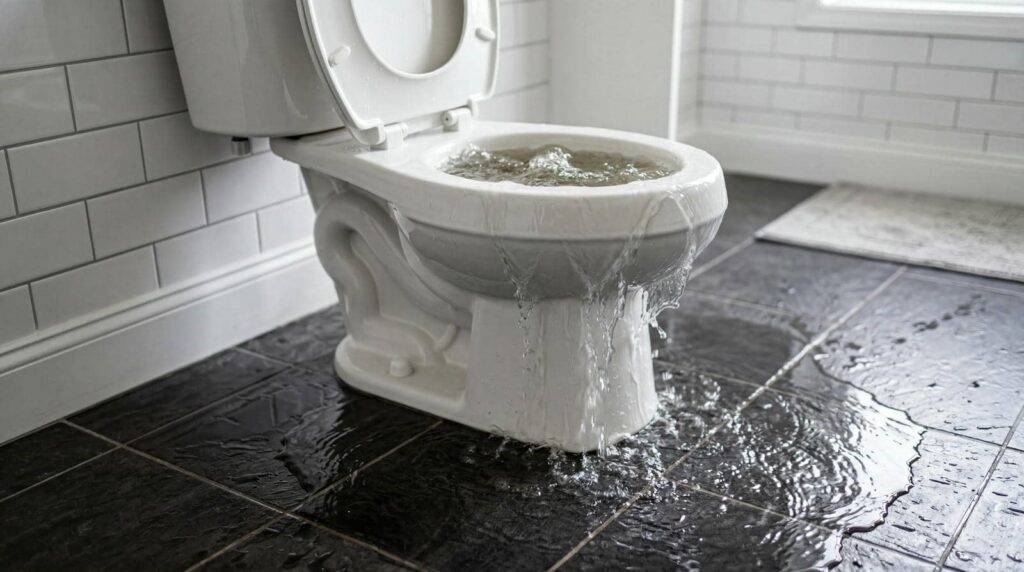
Toilet backups can lead to serious health risks if not handled correctly. Many don’t realize that the first step in managing such a situation is to assess the extent of the backup before attempting any cleanup. By following a structured approach, you can minimize damage and ensure safety. Understanding the right strategies is vital for effective resolution. Let’s explore the essential steps you need to take when facing this unpleasant issue.
Key Takeaways
- Identify the cause of the backup by checking for clogs, foreign objects, or septic issues before proceeding with cleanup.
- Turn off the water supply to prevent further flooding and minimize damage during the cleanup process.
- Equip yourself with protective gloves, goggles, and masks to safeguard against bacteria and contaminants.
- Clean and disinfect all affected surfaces using EPA-approved disinfectants, ensuring to follow the recommended dwell time.
- Safely dispose of contaminated materials by sealing them in sturdy bags and following local waste management guidelines.
Assess the Situation
When you encounter a toilet backup, it’s essential to assess the situation before taking any action.
Begin by identifying common causes such as clogs, foreign objects, or septic system issues. Look for signs of overflow or damage, which may indicate a more serious problem.
Next, prioritize safety precautions. Make sure you’re wearing gloves and protective gear to avoid exposure to harmful bacteria.
If the area is flooded, avoid walking through standing water, as it may contain contaminants.
Check for any unusual sounds or odors, which can provide clues about the backup’s source.
If you notice persistent issues, consider whether tree roots or aged plumbing could be contributing factors.
Turn Off the Water Supply
After evaluating the situation, the next step is to turn off the water supply to prevent further flooding.
Locate the toilet shut off valve, typically found on the wall behind the toilet. This valve is essential for controlling the water flow to your toilet. To shut it off, turn the valve clockwise until it stops. If your toilet doesn’t have a shut off valve, you may need to turn off the main water supply for your home, which can usually be found in the basement or near the water meter.
Once the water supply is off, double-check to verify no additional water is entering the toilet tank. This action is critical in minimizing damage and making the cleanup process more manageable.
With the water supply halted, you can now focus on addressing the backup issue without the risk of further complications.
Gather Necessary Supplies
To effectively tackle a toilet backup, you’ll need several essential supplies on hand. Being prepared can save you time and stress, reinforcing your plumbing emergency preparedness.
Here’s what you should gather:
- Plunger: A heavy-duty plunger is vital for clearing clogs effectively.
- Wet/Dry Vacuum: This can help remove excess water quickly and clean up messes.
- Rubber Gloves: Protect your hands while cleaning to maintain hygiene.
- Disinfectant: Use a strong disinfectant to sanitize the area after cleanup.
These items are fundamental for efficient toilet maintenance. By having them ready, you’ll respond swiftly to emergencies and ensure your bathroom remains a safe and clean space.
Protect Yourself With Gear
Protecting yourself during a toilet backup cleanup is essential for both safety and hygiene. You’ll want to equip yourself with appropriate gear to minimize health risks.
Start with high-quality protective gloves; they act as a barrier against harmful bacteria and pathogens present in wastewater. Choose gloves made from durable materials like nitrile or latex for maximum protection.
Next, don’t overlook safety goggles. These will shield your eyes from splashes and contaminants, ensuring you can work without worry. When selecting goggles, opt for a snug fit to prevent any leaks and verify they meet safety standards.
Additionally, consider wearing a mask to avoid inhaling any potentially harmful particles in the air.
Remove Excess Water
Begin the cleanup by removing excess water from the affected area. Effective water removal techniques are vital for preventing further damage and controlling excessive moisture. Here’s how to efficiently tackle the job:
Shut Off the Water Supply: Prevent additional flooding by turning off the water supply to the toilet.
Use a Wet/Dry Vacuum: This tool is ideal for quick water extraction, particularly in larger spills.
Sponge and Bucket Method: For smaller areas, use a sponge to soak up water, then transfer it to a bucket for disposal.
Mop Up Remaining Moisture: Once the majority is gone, mop the area thoroughly to ensure no excess moisture lingers.
Clean and Disinfect the Area
Once you’ve removed excess water, it’s essential to gather the necessary cleaning supplies, including gloves, disinfectants, and mops.
You’ll then need to thoroughly disinfect all affected surfaces to eliminate harmful bacteria and odors.
Finally, confirm proper waste disposal by following local guidelines to maintain hygiene and safety.
Gather Cleaning Supplies
To effectively tackle a toilet backup, you’ll need a few essential cleaning supplies to ensure the area is both clean and disinfected.
Gathering the right toilet supplies and cleaning products is vital to ensure a thorough job. Here’s a list of items you should have on hand:
- Rubber gloves – Protects your hands from contaminants.
- Disinfectant spray – Kills germs and bacteria on surfaces.
- Mop or sponge – Essential for absorbing any excess water and debris.
- Trash bags – For safe disposal of any soiled materials.
Having these items ready will streamline your cleanup process, providing you with a sense of control and belonging in maintaining a clean environment.
Don’t underestimate the importance of being prepared!
Disinfect Affected Surfaces
After you’ve gathered your cleaning supplies, the next crucial step is to disinfect all affected surfaces.
Start by selecting appropriate disinfectant types, such as chlorine bleach solutions or commercial disinfectants, ensuring they meet EPA standards.
Apply the disinfectant to surfaces like floors, walls, and toilet areas, allowing it to sit for the recommended dwell time—usually around 10 minutes—to effectively kill pathogens.
Use a clean cloth or mop for application, ensuring thorough coverage.
Pay special attention to high-touch areas, as they harbor more germs.
After disinfecting, rinse surfaces with clean water if required by the product instructions.
Finally, allow the surfaces to air dry completely, ensuring ideal surface treatments for a truly sanitized environment, fostering a safe space for everyone.
Proper Waste Disposal
Disinfecting surfaces is only part of the cleanup process; proper waste disposal is equally important to assure a safe environment.
Effective waste management ensures that you handle materials safely and responsibly. Here are four steps to follow:
Contain waste securely: Use heavy-duty bags to prevent leaks and odors.
Label bags clearly: Indicate that they contain contaminated materials to alert others.
Follow local disposal guidelines: Check your municipality’s regulations for hazardous waste disposal.
Consider recycling practices: Separate any recyclable materials from the waste to promote sustainability.
Dry the Affected Surfaces
After cleaning and disinfecting the area, it’s essential to dry the affected surfaces thoroughly.
Use absorbent towels to soak up any remaining moisture, and then employ fans effectively to promote airflow and expedite the drying process.
This step helps prevent mold growth and further damage to your floors and walls.
Use Absorbent Towels
When dealing with a toilet backup, using absorbent towels to dry the affected surfaces is crucial for preventing further damage and contamination.
Selecting the right towel types and absorbent materials can make a significant difference in your cleanup process. Here are four effective towel options you should consider:
Microfiber towels – Highly absorbent and quick-drying are perfect for tackling moisture.
Cotton towels – Versatile and durable, they can handle heavy spills with ease.
Paper towels – Convenient for quick cleanup; just dispose of them afterward.
Chamois towels – Excellent for soaking up large amounts of liquid in a single pass.
Using these towels ensures you’ll effectively dry surfaces, minimizing health risks and potential damage to your home.
Employ Fans Effectively
Once you’ve used absorbent towels to soak up excess moisture, employing fans effectively can greatly expedite the drying process of the affected surfaces.
Start by strategically positioning your fans to enhance airflow. Place one fan directly facing the wet area, while positioning others at angles to create cross-ventilation. This fan placement will help disperse moisture more evenly and prevent mold growth.
Utilize drying techniques such as oscillating fans to cover larger areas. If available, consider using a dehumidifier in conjunction with your fans to further reduce humidity levels.
Regularly monitor the surfaces to ascertain they’re drying adequately. By implementing these methods, you’ll protect your home and maintain a healthy environment for you and your family.
Check for Hidden Damage
Although a toilet backup can seem contained, it’s crucial to check for hidden damage that may have occurred to your plumbing and surrounding areas.
Ignoring potential issues can compromise your home’s structural integrity and lead to costly repairs. Here are four key areas to inspect:
Check for Hidden Leaks: Look around the toilet base, supply lines, and walls for any signs of moisture.
Inspect the Flooring: Examine tiles and flooring for warping or discoloration, which might indicate water damage.
Assess the Walls: Look for stains or peeling paint near the toilet, as these can signal underlying issues.
Evaluate the Ceiling Below: If your bathroom is upstairs, inspect the ceiling for water spots or sagging, suggesting leaks from above.
Taking these steps ensures that all potential damage is addressed, maintaining the safety and longevity of your home.
Dispose of Contaminated Materials
After a toilet backup, it’s essential to identify contaminated items like carpets, upholstery, and personal belongings.
Dispose of these materials safely to prevent health risks and further contamination.
Always follow local regulations for hazardous waste disposal to ensure proper handling.
Identify Contaminated Items
When dealing with a toilet backup, it’s crucial to quickly identify contaminated items to prevent further health risks.
Contamination sources can include sewage, waste, and harmful bacteria. Here are four key items to check for contamination:
Textiles – Towels, rugs, or clothing that came into contact with contaminated water.
Paper Products – Toilet paper, tissues, or any paper items saturated with waste.
Furniture – Soft furnishings like couches or chairs that absorbed contaminated fluids.
Personal Items – Items such as toys or electronics that were exposed to the spill.
Safe Disposal Methods
If you’ve identified contaminated materials, it’s vital to dispose of them safely to minimize health risks.
Begin by separating non-biodegradable items, like plastic, from biodegradable options, such as organic waste. Place contaminated materials in sturdy, sealed bags to prevent leakage.
It’s important to follow local waste management guidelines for hazardous waste, as improper disposal can lead to contamination and health issues. If available, utilize designated collection points for hazardous materials.
For biodegradable options, consider composting if they meet safety standards.
Always wear gloves and protective gear during this process, and wash your hands thoroughly afterward.
Call in Professional Help
At some point, you may find that tackling a toilet backup yourself isn’t enough, and that’s when it’s time to call in professional help.
Emergency plumbers are trained to handle the situation effectively while ensuring safety and hygiene.
Here are four key reasons to contact experts:
Contamination Assessment: Professionals can evaluate the level of contamination to determine the right cleanup method.
Specialized Equipment: They use advanced tools to resolve backups and prevent future issues.
Health Risks: Experts understand the health risks involved and can manage hazardous materials safely.
Time Efficiency: Hiring professionals saves you time and stress, allowing you to focus on other priorities.
Frequently Asked Questions
How Can I Prevent Future Toilet Backups?
To prevent future toilet backups, you should perform regular maintenance and ensure proper disposal of waste. Avoid flushing non-biodegradable items, and consider scheduling professional inspections to keep your plumbing system in prime condition.
What Are the Health Risks of Toilet Backups?
Toilet backups expose you to harmful toilet bacteria and sewage, increasing risks of infections and gastrointestinal illnesses. Staying informed about these health hazards helps you protect yourself and your loved ones from potential dangers.
Can I Use Bleach to Clean Toilet Backup Mess?
You can use bleach to clean a toilet backup mess, but ensure proper ventilation for bleach safety. Regular toilet maintenance helps prevent backups, making your cleaning process easier and maintaining a healthier environment for everyone.
How Long Does It Take to Dry Out the Area?
“Time heals all wounds,” but for moisture removal, drying time typically ranges from 24 to 48 hours, depending on airflow and humidity. Make certain the area’s well-ventilated to expedite the process and prevent mold growth.
What Insurance Covers Toilet Backup Damages?
Your homeowner’s insurance might cover toilet backup damages, but check the coverage details. Some policies include toilet insurance specifically for plumbing issues, while others might require additional riders. Always review your policy for specifics.
Conclusion
In tackling a toilet backup, a methodical approach is essential. By evaluating the area, assembling your supplies, and prioritizing personal protection, you’ll manage the mess while minimizing health hazards. Don’t forget to dry and disinfect thoroughly, checking for hidden damage along the way. If the situation overwhelms you, don’t hesitate to seek professional assistance. Remember, prompt and proper procedures pave the path to a pristine and safe restroom environment.
Recent Posts
24/7 Water Damage Cleanup Checklist
At 2 a.m., you notice water pooling under your laundry room wall, and you have
What Is 24 Hour Water Damage Cleanup?
If you’re dealing with a water emergency, 24 hour water damage cleanup gives you immediate
Ceiling Leak Mold Inspection Report Guide
If you’re dealing with a ceiling leak, you need to know how mold can develop,