
Contents
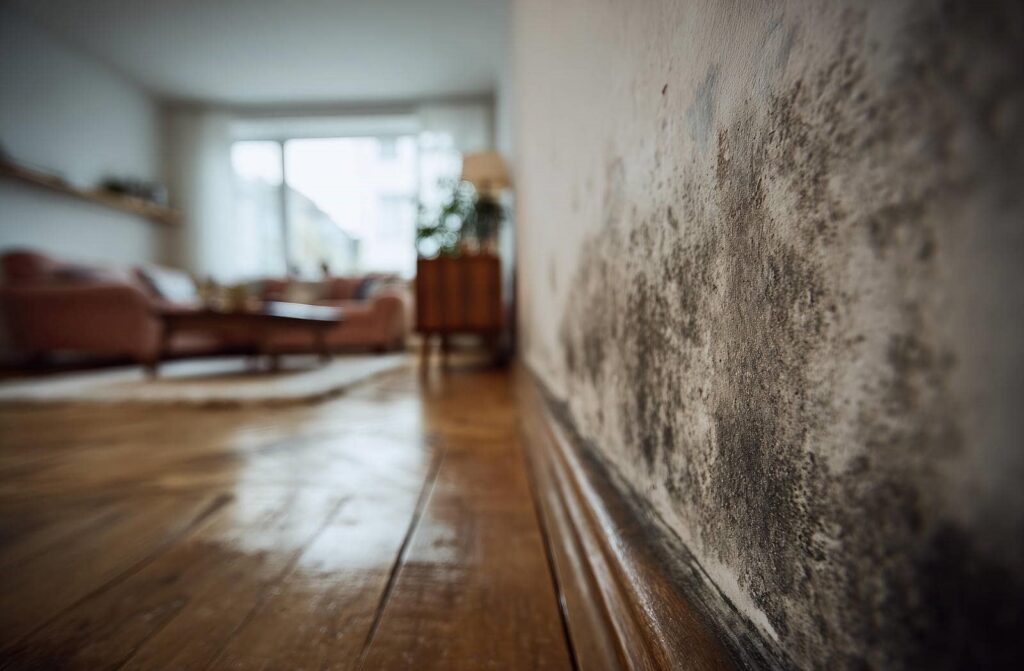
In the aftermath of a flood, the lurking threat of mold can feel like an unwelcome ghost, silently invading your space. To effectively remediate mold, you’ll need to assess the extent of the growth and take precise action. Understanding safety precautions and effective flood damage removal techniques is essential. But how do you ensure that this invasive issue doesn’t return? The answers lie in a structured approach to both removal and prevention.
Key Takeaways
- Assess the extent of mold growth through visual inspections and air sampling to identify affected areas.
- Ensure safety by wearing protective gear and implementing ventilation before starting remediation.
- Remove and dispose of porous materials like drywall that cannot be effectively cleaned.
- Use chemical treatments like biocides or fungicides according to manufacturer instructions for effective mold removal.
- Maintain low indoor humidity levels and conduct regular inspections to prevent future mold growth.
Assessing the Extent of Mold Growth
Before you can effectively remediate mold after flood damage, you need to evaluate the extent of mold growth in your space.
Start by employing mold identification methods, such as visual inspections and air sampling, to pinpoint affected areas. Pay attention to environmental factors like humidity levels and temperature, as these can considerably influence mold proliferation. Use a hygrometer to measure moisture levels, ensuring you capture data from various locations within your property.
Once you identify mold hotspots, document the findings meticulously. Note the type and severity of growth, as this will guide your remediation strategy.
Consider the materials affected; porous surfaces may require different approaches than non-porous ones. By accurately evaluating mold growth and understanding the environmental factors at play, you can create a targeted plan that effectively addresses the problem and restores your space to a safe, healthy condition.
Safety Precautions Before Starting Remediation
Taking safety precautions is essential when starting mold remediation after flood damage. You want to ensure your health and well-being while effectively addressing the mold issue.
Here are key safety measures to follow:
- Wear Protective Gear: Equip yourself with gloves, goggles, and an N95 respirator mask to prevent inhalation of mold spores and skin contact.
- Implement Ventilation Measures: Open windows and doors to improve air circulation, reducing airborne spores and moisture levels.
- Seal Off Affected Areas: Use plastic sheeting to contain the mold and prevent spores from spreading to unaffected spaces.
- Have an Emergency Plan: Ensure you have a plan for potential emergencies, including access to first aid and a means to contact professionals if the situation escalates.
Taking these precautions will create a safer environment for you and others involved in the remediation process.
Prioritize safety before addressing the mold itself.
Effective Mold Removal Techniques
Once you’ve secured your safety, it’s essential to employ effective mold removal techniques to tackle the issue efficiently.
Start by gathering the necessary removal equipment, such as HEPA vacuums, scrapers, and protective gear. These tools will help you minimize exposure while ensuring thorough cleaning.
Next, consider using chemical treatments specifically designed for mold remediation. Products containing biocides or fungicides can effectively eliminate mold spores on affected surfaces. Always follow the manufacturer’s instructions to ensure safety and effectiveness.
For porous materials like drywall, removal and disposal might be the best option, as mold can penetrate deeply.
After addressing visible mold, clean the area thoroughly and ensure proper ventilation during the drying process.
Preventing Future Mold Growth
To prevent future mold growth after flood damage, it’s vital to address the underlying conditions that promote mold proliferation.
Here are four important steps you can take:
- Use Mold Resistant Materials: Opt for mold-resistant drywall, paints, and insulation in areas prone to moisture.
- Implement Humidity Control: Maintain indoor humidity levels between 30-60% using dehumidifiers and proper ventilation.
- Repair Leaks Promptly: Address any plumbing or roof leaks immediately to eliminate water sources that mold thrives on.
- Regular Inspections: Conduct periodic inspections of your home for any signs of mold or moisture accumulation, especially in basements and bathrooms.
When to Call in Professional Help
While you may be tempted to tackle mold remediation on your own, certain situations warrant the expertise of professional help. If you notice extensive mold growth, covering more than 10 square feet, it’s imperative to call in professionals for a detailed mold inspection.
They possess the training and equipment necessary to assess the situation accurately and identify hidden mold sources that are often overlooked.
Additionally, if anyone in your household has respiratory issues or allergies, professional services become essential to ensure safety. Mold can release spores that exacerbate health problems, making it important to address the issue thoroughly.
Finally, if the water damage is severe, leading to structural concerns, professionals can remediate the mold and evaluate and repair affected areas.
Trusting experts ensures a thorough, safe, and effective mold remediation process, allowing you to reclaim your space without risking your health.
Frequently Asked Questions
Can I Use Home Remedies for Mold Removal?
Yes, you can use home remedies for mold removal. Natural solutions like vinegar and baking soda can be effective techniques. However, ensure proper ventilation and safety measures while addressing mold to achieve ideal results.
How Long Does Mold Remediation Typically Take?
Mold remediation typically takes a few days to several weeks, depending on the extent of mold growth and the remediation techniques used. Effective planning and execution can considerably expedite the process, ensuring a safer environment.
Will Insurance Cover Mold Remediation Costs?
Insurance policies often dance around mold coverage, so check yours carefully. Many have specific coverage limits for mold remediation. If you’re uncertain, contact your provider to clarify what’s included and avoid unexpected costs.
Can Mold Return After Remediation?
Yes, mold can return after remediation if mold growth conditions persist. Implementing mold prevention strategies, like controlling humidity and ensuring proper ventilation, is essential to maintaining a mold-free environment and safeguarding your space from future infestations.
What Are the Health Effects of Mold Exposure?
Mold exposure can lead to various health effects, including mold symptoms like coughing, sneezing, and respiratory issues. If you’re sensitive, you might experience more severe reactions, necessitating prompt attention to your living environment.
Review
Tackling mold after flood damage is like maneuvering through a stormy sea; preparation and vigilance are key. By evaluating the extent of the growth, prioritizing safety, and employing effective removal techniques, you can reclaim your space from the clutches of mold. Remember, it’s not just about cleaning up; it’s about fortifying your home against future assaults. If the tide of mold proves too strong, don’t hesitate to call in professionals to ensure your ship remains seaworthy.
Recent Posts
Why Choose Professional Mold Remediation After Flooding?
After flooding, mold can quickly become a serious problem in your home. You might underestimate
7 Essential Tips for Mold Remediation After Floods
Many homeowners underestimate the speed at which mold can infiltrate their living spaces after a
10 Essential Tips for Basement Water Mitigation
Picture a dark, damp basement where water seeps through the walls, creating a breeding ground