
Contents
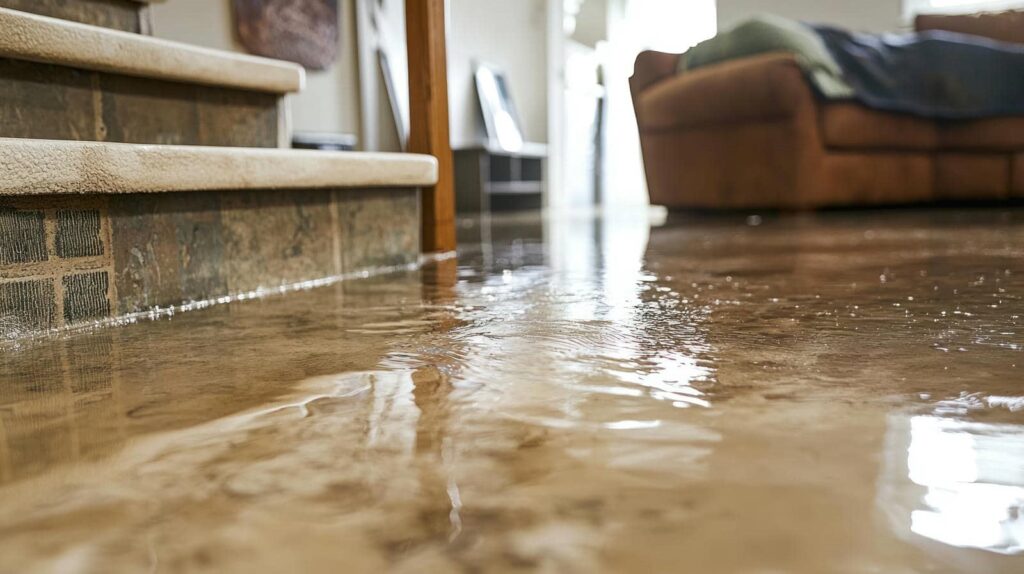
Picture a dark, damp basement where water seeps through the walls, creating a breeding ground for mold and mildew. It’s vital to tackle these moisture issues head-on to protect your home and health. By implementing effective mitigation strategies, you can turn that space into a dry, usable area. Let’s explore essential tips that can help prevent water intrusion and keep your basement safe and dry.
Key Takeaways
- Inspect and repair any cracks in the basement walls and floors using appropriate sealants to prevent water intrusion.
- Maintain gutters and downspouts to ensure they effectively direct water away from the home’s foundation.
- Regularly check and clean the sump pump to ensure it operates effectively during heavy rainfall.
- Use a dehumidifier to maintain humidity levels between 30-60% and reduce moisture buildup in the basement.
- Consult plumbing professionals for routine inspections to identify and address potential leaks or water issues promptly.
Assessing the Source of Water Intrusion
Identifying the source of water intrusion is essential for effective basement water mitigation. You’ll want to start by examining potential water sources, including heavy rainfall, plumbing leaks, or high groundwater levels.
Use moisture detection tools, like hygrometers or infrared cameras, to pinpoint areas with excessive humidity or hidden leaks. Pay attention to your basement’s walls and floors, as these are common entry points for unwanted moisture.
Consider the grade of your property; if the land slopes toward your foundation, water can easily accumulate.
Also, inspect gutters and downspouts to ensure they’re directing water away from your home. Regular checks will help you catch issues early, preventing more extensive damage down the line.
Inspecting and Sealing Cracks
Inspecting and sealing cracks in your basement walls and floors is an essential step in preventing water intrusion.
Begin with a thorough crack inspection, looking for visible signs of damage. Use a flashlight to illuminate hard-to-see areas. Pay attention to both hairline fractures and larger gaps, as both can lead to significant moisture issues.
Once you’ve identified the cracks, employ effective sealing techniques. For small cracks, a polyurethane or epoxy sealant works well, providing a durable barrier against water.
For larger openings, consider using hydraulic cement, which expands as it cures, ensuring a tight seal.
After applying the sealant, monitor the area for any signs of recurring moisture. Regular inspections will help you maintain the integrity of your basement and foster a safe, dry environment.
Improving Drainage Systems
To effectively mitigate water issues in your basement, you need to assess your current drainage system.
Installing French drains can greatly improve water flow away from your foundation, while regular maintenance of gutters prevents overflow.
Addressing these elements will enhance your home’s overall drainage performance.
Assess Current Drainage System
Evaluating your current drainage system is essential for effective basement water mitigation.
A thorough drainage system analysis and water flow evaluation can help you identify potential issues. Here are four key steps to assess your system:
Inspect Gutters and Downspouts: Confirm they’re clean and directing water away from your foundation.
Check Surface Grading: Verify that the ground slopes away from your home to prevent pooling.
Examine Drainage Channels: Look for blockages or damage in outdoor drains that could impede water flow.
Assess Sump Pumps: Test functionality and confirm they’re properly maintained to handle excess water.
Install French Drains
French drains are an effective solution for enhancing your basement’s drainage system and preventing water accumulation. By opting for professional French drain installation, you create a channel that directs water away from your foundation. This reduces the risk of flooding and minimizes moisture buildup, which can lead to mold and structural damage.
The drainage system benefits are significant; they improve overall home safety, preserve your property’s value, and increase your comfort level in using the basement.
Additionally, a well-designed French drain system can alleviate pressure on existing drainage solutions, ensuring long-term effectiveness. If you’re serious about protecting your home from water damage, installing French drains is a proactive step worth considering.
Maintain Gutters Regularly
While you may not think about your gutters often, regular maintenance is essential for effective drainage systems. Neglecting gutter cleaning and downspout maintenance can lead to water pooling around your foundation, increasing the risk of basement flooding.
Here’s how to keep your gutters in top shape:
Inspect your gutters at least twice a year for debris and damage.
Clean your gutters thoroughly, removing leaves and dirt to ensure proper flow.
Check downspouts for clogs and ensure they direct water away from your home’s foundation.
Install gutter guards to minimize debris accumulation and reduce cleaning frequency.
Installing a Sump Pump
Installing a sump pump can considerably reduce the risk of water accumulation in your basement, especially during heavy rainfall or flooding.
When selecting a sump pump, you’ll encounter various sump pump types, including pedestal and submersible models. Pedestal pumps are easier to maintain, while submersible pumps are more discreet and efficient. Choose based on your basement’s layout and potential water issues.
Once installed, sump pump maintenance is essential for peak performance. Regularly check the pump’s operation by pouring water into the sump basin; it should activate and drain promptly.
Clean the inlet screen and verify the discharge pipe is clear of obstructions. Additionally, consider testing the pump’s backup battery to ensure it functions during power outages.
Utilizing Dehumidifiers
When selecting a dehumidifier for your basement, it’s essential to choose the right size based on the square footage and moisture levels.
Proper placement enhances efficiency, so position the unit in areas with the highest humidity.
These strategies will help maintain ideal humidity levels and protect your basement from water damage.
Choosing the Right Size
Selecting the right size dehumidifier is crucial for effective basement water mitigation. A unit that’s too small won’t manage moisture adequately, while one that’s too large may waste energy.
To choose the right dehumidifier, consider these factors:
Basement Size: Measure your basement dimensions to calculate the total area.
Water Level: Assess the typical moisture level; higher water levels require more powerful units.
Humidity Level: Use a hygrometer to check current humidity; aim for 30-60% relative humidity.
Airflow: Verify the dehumidifier has sufficient airflow capacity to circulate air throughout your basement effectively.
Optimal Placement Strategies
Proper placement of your dehumidifier can greatly enhance its efficiency in controlling moisture levels. Position it in an area with a natural slope to ensure optimal airflow and moisture extraction.
Avoid corners or enclosed spaces, as these can hinder performance. If your basement has water barriers, place the dehumidifier near these areas to effectively target humidity sources.
Confirm there’s sufficient clearance around the unit—at least 12 inches—so it can operate unobstructed. Additionally, consider the proximity to any potential water entry points, like windows or cracks, to maximize effectiveness.
Regularly check the unit’s filters and drainage system to maintain peak performance. Following these strategies will help create a drier, more comfortable basement environment for you and your family.
Waterproofing Walls and Floors
To effectively prevent water damage in your basement, waterproofing walls and floors is essential. This process involves using quality waterproofing materials and floor coatings to create a barrier against moisture.
Here are four key steps to ensure your basement stays dry:
Choose the Right Waterproofing Materials: Select materials specifically designed for basement applications, such as liquid membranes or cementitious coatings.
Prepare Surfaces Properly: Clean and repair any cracks or holes in walls and floors before applying waterproofing solutions.
Apply Floor Coatings: Use epoxy or polyurethane coatings for floors to seal and provide durability against wear.
Regular Inspections: Check your waterproofing regularly for signs of wear or damage, and address any issues promptly.
Creating a Proper Grading Around Your Home
Waterproofing your basement is just one part of a thorough approach to moisture management. Creating proper grading around your home is essential in directing water away from your foundation.
Start by evaluating your soil composition—ensure it’s suitable for drainage and doesn’t retain excessive moisture. Use effective landscaping techniques to shape the yard with a slope of at least 6 inches over the first 10 feet away from your home. This slope will encourage water runoff, preventing it from pooling around your foundation.
Incorporate swales or berms if your property has low spots where water tends to accumulate. Planting native vegetation can also help absorb excess moisture.
Regularly check your grading after heavy rains; soil can shift, affecting drainage. By maintaining proper grading, you’re not just protecting your basement; you’re investing in the overall health of your home.
Embrace these strategies for a drier, safer living environment.
Maintaining Gutters and Downspouts
While you mightn’t think about them often, maintaining your gutters and downspouts is essential for effective basement water mitigation.
Proper upkeep prevents water from pooling around your foundation, which can lead to costly damage.
Here are four key tasks you should regularly perform:
Gutter Cleaning: Clear debris, leaves, and dirt at least twice a year to ensure proper flow.
Inspect Downspout Extensions: Check that they direct water at least 5-10 feet away from your foundation.
Repair Damage: Look for cracks or corrosion in gutters and downspouts, and patch or replace them as needed.
Adjust Pitch: Confirm your gutters slope towards the downspouts for ideal drainage.
Regularly Checking Plumbing Fixtures
Maintaining your gutters and downspouts is just one part of an effective basement water mitigation strategy. Regularly checking your plumbing fixtures is just as vital.
During your plumbing maintenance routine, inspect faucets, toilets, and pipes for any signs of leaks or wear. A small drip can lead to significant water accumulation over time, increasing the risk of basement flooding.
Make it a habit to examine connections and joints for moisture or corrosion. Don’t overlook hidden fixtures, such as those behind walls or under sinks. If you notice changes, address them promptly to prevent further damage.
In addition to visual checks, consider performing periodic fixture inspections to assess the overall condition of your plumbing system.
Consulting With Water Mitigation Professionals
When facing basement water issues, consulting with water mitigation professionals is essential.
Their expertise allows them to conduct a thorough assessment of your property, identifying the source and extent of the problem.
This targeted approach ensures you receive the most effective solutions for long-term prevention.
Expertise in Water Issues
Consulting with water mitigation professionals can greatly enhance your approach to resolving basement water issues. Their expertise in handling water damage and implementing moisture control strategies can save you time and money.
Here are four key benefits of working with these specialists:
Comprehensive Knowledge: They understand the various sources of water intrusion and the best practices for mitigation.
Advanced Techniques: Professionals use state-of-the-art equipment for accurate assessments and effective solutions.
Preventative Measures: They provide tailored recommendations to prevent future water damage.
Insurance Expertise: Managing insurance claims can be complex, and they can help ensure you receive appropriate coverage for repairs.
Investing in professional advice can lead to a drier, safer basement environment for you and your family.
Comprehensive Assessment Process
A thorough assessment of your basement’s water issues is essential to developing an effective mitigation strategy. Consulting with water mitigation professionals can provide invaluable insights. They’ll conduct water testing to identify contaminants and moisture levels, ensuring you understand the scope of the problem.
Additionally, moisture mapping is vital; it helps visualize the extent of water intrusion and identifies potential sources. Professionals will use advanced tools to pinpoint areas at risk, allowing for targeted interventions.
Frequently Asked Questions
How Can I Tell if My Basement Has Mold Growth?
You can identify mold in your basement by conducting a thorough inspection. Look for discoloration on walls, musty odors, or visible growth. Use a flashlight to check dark corners and ensure you’re addressing potential moisture sources.
What Are the Signs of Poor Drainage Around My Home?
You’ll notice drainage issues if you see water pooling near your foundation, experience frequent water stains on exterior walls, or have soggy soil around your home. These signs indicate poor drainage that needs immediate attention.
Can I Use Regular Paint to Waterproof My Basement Walls?
Using regular paint isn’t like building a dam—it won’t hold back water. For effective waterproofing, choose specialized paint types designed for basements, implementing proper waterproofing techniques to protect your home from moisture and damage.
How Often Should I Clean My Gutters and Downspouts?
You should clean your gutters and downspouts at least twice a year, ideally in spring and fall. Regular gutter maintenance prevents clogs, ensuring proper drainage and protecting your home from water damage and foundation issues.
Are There Any DIY Water Mitigation Solutions for Basements?
You might think DIY solutions are too complex, but sealing your basement and implementing drainage solutions can greatly reduce water issues. Start with proper waterproof paints and install sump pumps for effective moisture control.
Recap
By following these ten essential tips, you can turn your basement from a moisture magnet into a dry haven. Remember, addressing water intrusion isn’t just a task; it’s an investment in your home’s longevity. Regular inspections and proactive measures ensure you patch up problems and build a fortress against water damage. Don’t wait for the next storm to take action—start today and protect your home from the creeping menace of moisture.
Recent Posts
24/7 Water Damage Cleanup Checklist
At 2 a.m., you notice water pooling under your laundry room wall, and you have
What Is 24 Hour Water Damage Cleanup?
If you’re dealing with a water emergency, 24 hour water damage cleanup gives you immediate
Ceiling Leak Mold Inspection Report Guide
If you’re dealing with a ceiling leak, you need to know how mold can develop,