
Contents
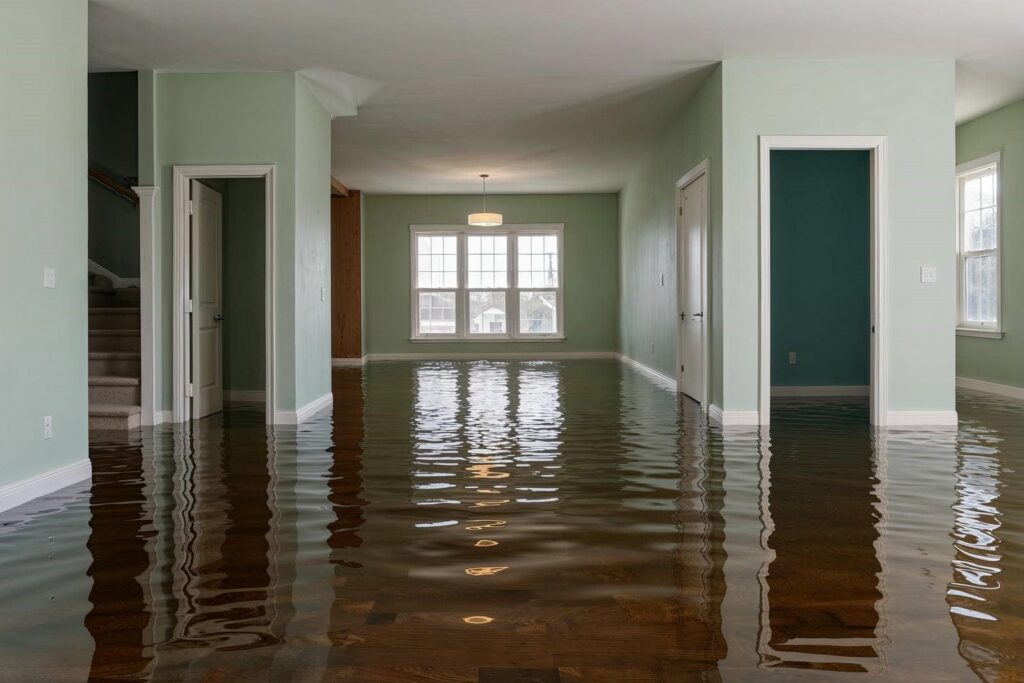
Imagine stepping into a basement where water has seeped in, leaving puddles on the floor and a musty smell lingering in the air. You’ve got to act quickly to prevent further damage. Start by evaluating the extent of the water damage in the basement and identifying its source. Once you’ve done that, there are effective methods for extracting water and drying out the space. Understanding these steps can make all the difference in restoring your basement to its former state.
Key Takeaways
- Conduct a thorough assessment of water damage, documenting findings with photos and notes for effective tracking and planning.
- Prioritize safety by wearing protective gear and creating an emergency plan before starting the cleanup process.
- Use a sump pump for significant water removal, followed by a wet/dry vacuum for residual moisture extraction.
- Enhance drying with ventilation systems, high-velocity fans, and dehumidifiers to create a dry environment.
- Prevent mold growth by sealing leaks, maintaining low humidity levels, and regularly inspecting for moisture signs.
Assessing the Extent of Water Damage
When dealing with basement water damage, evaluating the extent of the problem is essential. Start by conducting a thorough damage evaluation. Look closely at the affected areas, noting any discoloration, mold growth, or structural issues. This’ll help you identify how severe the damage is and what needs immediate attention.
Next, focus on water source identification. Check for leaks in pipes, seepage through walls, or groundwater intrusion. Understanding where the water’s coming from is vital in preventing future issues.
Document each finding with photos and notes to track progress and communicate effectively with professionals if needed.
Don’t forget to assess the surrounding environment, as it may influence the extent of damage and necessary repairs. By taking these steps, you’ll protect your basement and foster a sense of community by sharing your experiences and solutions with others facing similar challenges.
Safety Precautions and Preparations
Before you begin the cleanup process, it’s important to prioritize safety precautions to protect yourself and your property.
Start by gathering the necessary protective gear to make sure you’re well-equipped for the task ahead. Here’s a quick checklist:
- Wear waterproof boots to keep your feet dry and safe from sharp objects.
- Use gloves to shield your hands from contaminants in the water.
- Put on a mask to avoid inhaling mold spores or dust during cleanup.
- Have a first-aid kit nearby in case of accidents.
Additionally, create an emergency plan. Know the location of your circuit breaker and verify your phone is charged for any urgent calls.
By taking these precautions, you’re safeguarding yourself and creating a more efficient and effective cleanup process.
Water Extraction Methods
As you commence on the water extraction process, utilizing the right methods can greatly reduce damage and speed up recovery.
Start with a sump pump, especially if you’re dealing with a significant amount of standing water. This device efficiently removes large volumes of water from your basement, helping to prevent further damage.
Once the bulk of the water is gone, switch to vacuum extraction. A wet/dry vacuum is perfect for tackling residual moisture and smaller puddles that the sump pump might’ve missed.
Make certain to position the vacuum near the water source for peak efficiency.
As you extract water, keep an eye on the moisture levels in your basement; this will guide your next steps.
Remove any soaked materials and confirm you’re prepared for the drying process ahead.
Using these methods will set a solid foundation for a successful cleanup.
Drying and Dehumidification Techniques
To effectively dry out your basement and prevent mold growth, it’s crucial to use a combination of techniques that promote airflow and reduce humidity.
Start by setting up proper ventilation systems to ensure air circulates freely. Here’s how you can achieve ideal moisture control:
Open Windows and Doors: Create a cross-breeze to help ventilate the space.
Install Fans: Use high-velocity fans to enhance airflow and speed up drying.
Use Dehumidifiers: These devices help extract moisture from the air, reducing humidity levels effectively.
Wet/Dry Vacuum: Remove excess water from surfaces to speed up the drying process.
Mold Prevention and Remediation Strategies
After drying out your basement, the next step is to implement effective mold prevention and remediation strategies.
Start by inspecting for any hidden moisture sources, as these can promote mold growth. Seal any leaks in walls or pipes, and ensure proper ventilation to keep air flowing.
If you spot mold, act quickly using remediation techniques like scrubbing affected areas with a mixture of water and detergent. For larger infestations, consider using a commercial mold remover or even hiring a professional.
Always wear protective gear, including gloves and a mask, to safeguard your health during cleanup.
Additionally, keep humidity levels below 60% by using dehumidifiers. Regularly check your basement for signs of moisture or mold, and don’t hesitate to reach out for help if you need it.
Frequently Asked Questions
How Can I Prevent Future Basement Flooding?
To prevent future basement flooding, you should install proper drainage systems and a sump pump. Regularly inspect these systems, ensuring they’re clear of debris, and maintain them to keep your basement dry and safe.
What Insurance Coverage Is Available for Water Damage?
“An ounce of prevention’s worth a pound of cure.” You should consider flood insurance, as standard policies often have exclusions. Review your coverage carefully to ensure it meets your needs and protects against water damage effectively.
How Long Does the Drying Process Typically Take?
The drying process typically takes 3 to 7 days, depending on drying methods and humidity levels. Using fans and dehumidifiers accelerates drying, so keep an eye on progress to ensure a thorough job.
Should I Hire Professionals or Do It Myself?
Sure, you could don a superhero cape and tackle it yourself with DIY techniques, but hiring professionals might save you from a soggy disaster. Sometimes, letting the experts handle it just makes sense.
What Are the Signs of Hidden Water Damage?
You’ll notice signs of hidden water damage through mold growth, musty odors, and water stains. Check for structural issues like warped walls or floors, which indicate prolonged moisture exposure. Address these concerns promptly to prevent further damage.
Recap
Tackling basement water damage requires a tactical, thorough approach. By evaluating the situation, prioritizing safety, and employing effective extraction, drying, and dehumidification methods, you’ll ensure a successful cleanup. Don’t forget to take proactive steps for mold prevention. With your diligent dedication, you can transform a damp disaster into a dry, delightful space. Stay vigilant, safeguard your sanctuary, and keep your basement beautiful by battling moisture with mindful maintenance.
Recent Posts
5 Tips for Mold Inspection After Leaks
A damp stain spreads across the ceiling like a warning signal, and you need to
What to Do After a Ceiling Leak
After a ceiling leak, you need to act fast to limit damage and reduce repair
Why Choose 24/7 Pipe Leak Cleanup
Does immediate 24/7 pipe leak cleanup really reduce total water damage, or does the timing