
Contents
Dealing with black mold in your basement can feel overwhelming, but it’s vital to tackle it head-on. Start by pinpointing moisture sources, as this is key to preventing future growth. Protective gear is essential when you begin cleaning. Using the right solutions is just as important; they can make a significant difference. Want to know how to scrub affected areas effectively and ensure they stay dry? Let’s explore the steps together.
Key Takeaways
- Identify and address moisture sources by inspecting for leaks and ensuring proper ventilation in the basement.
- Wear protective gear, including gloves, masks, and goggles, to safeguard against mold spores during cleanup.
- Use effective cleaning solutions like vinegar or a commercial mold remover to scrub affected areas thoroughly.
- Ensure the area dries completely after cleaning to prevent mold regrowth and maintain humidity levels below 60%.
- Regularly inspect and repair any leaks, and utilize mold-resistant materials to prevent future mold growth.
Identify the Source of Moisture
Before you can effectively tackle black mold in your basement, you need to identify the source of moisture that’s fueling its growth.
Start by inspecting common moisture sources, such as leaks from pipes, foundation cracks, or even condensation on cold surfaces. Look for damp areas or water stains on walls and ceilings, as these often indicate hidden problems.
Next, assess your basement ventilation. Poor airflow can trap humidity, creating an ideal environment for mold.
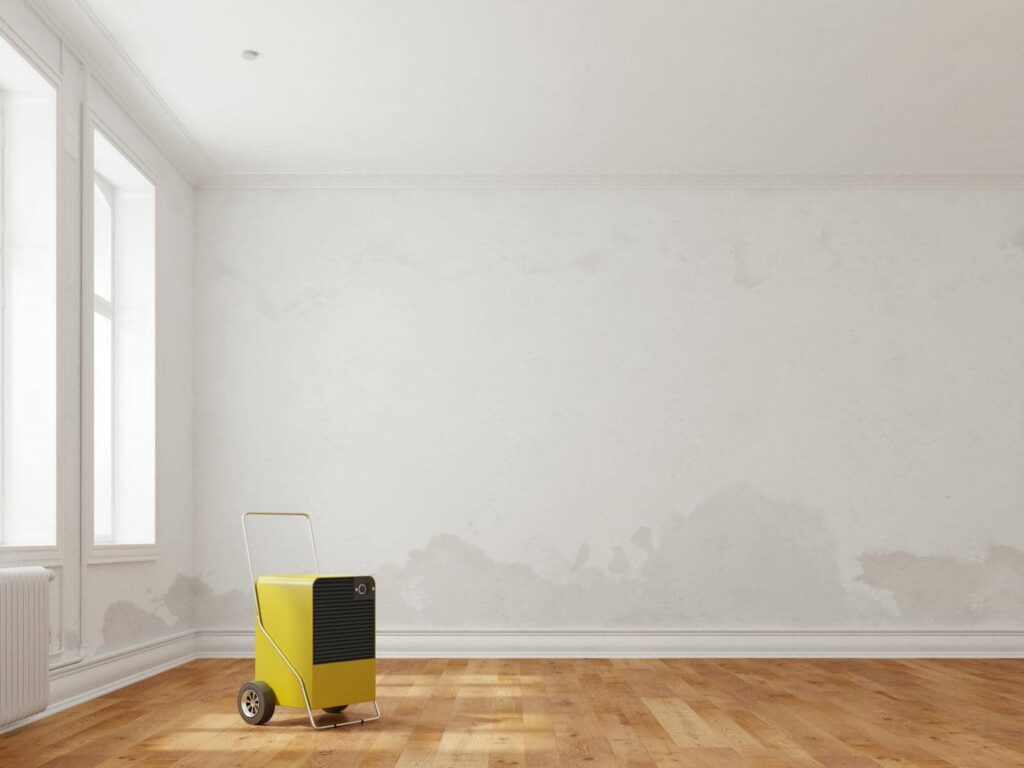
Consider installing vents or using a dehumidifier to improve air circulation. If your basement is prone to flooding, investing in a sump pump can also help manage excess water.
Wear Protective Gear
Before tackling black mold removal, it’s vital to wear protective gear to safeguard your health.
Start with essential equipment like gloves and masks, and choose clothing that covers your skin to avoid direct contact with mold spores.
Don’t forget to protect your eyes and respiratory system, as these areas are particularly vulnerable to mold exposure.
Essential Protective Equipment
When tackling black mold in your basement, wearing the right protective gear is essential for your safety.
Start with a high-quality respirator to guard against inhaling spores, which helps mitigate health risks. Safety goggles will protect your eyes from irritants, ensuring you can work without worry.
Use gloves made of thick rubber to shield your hands from mold and cleaning chemicals, contributing to effective mold prevention. A durable face mask is also advisable, especially if you’re sensitive to airborne allergens.
Finally, consider knee pads or sturdy footwear to support your body while maneuvering the basement.
Proper Clothing Choices
Alongside protective equipment, making the right clothing choices is key to safely removing black mold in your basement.
Start by wearing mold resistant clothing, as it helps prevent spores from adhering to your garments. Choose long-sleeved shirts and pants to cover your skin, reducing direct exposure.
Opt for breathable fabrics like cotton or moisture-wicking materials; these keep you comfortable while you work, preventing overheating and allowing for better airflow. Avoid cotton blends that can trap moisture, as this can promote mold growth.
It’s vital to wear gloves and sturdy boots to protect your hands and feet from mold exposure.
Eye and Respiratory Protection
To effectively combat black mold in your basement, proper eye and respiratory protection is essential.
Start by investing in high-quality eye protection, like safety goggles, to shield your eyes from mold spores and cleaning chemicals. Don’t compromise here; irritation can lead to serious issues.
Next, choose appropriate respiratory masks. A mask rated N95 or higher is ideal, as it filters out fine particles and spores. Make sure it fits snugly against your face; gaps can let harmful particles in.
Before you begin the removal process, double-check that you’re wearing both your eye protection and respiratory mask. This simple step can greatly reduce your risk and help you tackle the mold removal task with confidence and safety in mind.
Use Proper Cleaning Solutions
Using the right cleaning solutions is essential for effectively removing black mold in your basement. Start with a mixture of water and detergent or a commercial cleaning solution specifically designed for mold removal.
Look for products that contain mold inhibitors; these can prevent mold from returning after you’ve cleaned the affected areas. Always follow the manufacturer’s guidelines for the best results.
For tougher mold, a diluted solution of bleach can be effective, but remember to ventilate the area and wear protective gear.
Vinegar is another natural option that can kill most mold species without harsh chemicals. When selecting your cleaning solutions, consider what feels best for you and your home.
It’s important to feel confident in your choices, ensuring both safety and effectiveness in your mold removal efforts. With the right products, you’ll create a healthier environment for you and your loved ones.
Scrub Affected Areas Thoroughly
Once you’ve selected the right cleaning solutions, it’s time to scrub the affected areas thoroughly.
Use a stiff-bristled brush to ensure you’re removing all traces of mold and preventing it from returning.
Make sure to apply consistent pressure and follow up by rinsing the area well to eliminate any residue.
Use Proper Cleaning Solutions
While tackling black mold in your basement, selecting the right cleaning solutions is essential for effective removal.
Utilizing appropriate cleaning agents can make a significant difference in your mold removal efforts. Here are some options to contemplate:
Bleach: A strong disinfectant that kills mold spores on non-porous surfaces.
Vinegar: A natural solution that can effectively inhibit mold growth.
Baking Soda: An eco-friendly option that absorbs moisture and neutralizes odors.
Hydrogen Peroxide: A powerful agent that can penetrate porous materials to eradicate mold.
Make sure to wear protective gear, like gloves and masks, when using these cleaning agents.
This way, you’re not just cleaning; you’re also safeguarding your health and creating a safer space for your family.
Employ Effective Scrubbing Techniques
To effectively remove black mold, you’ll need to scrub the affected areas thoroughly. Start by gathering your cleaning tools, including a stiff-bristled brush, sponges, and a bucket. You can use scrubbing methods like circular motions to loosen the mold from surfaces.
For tougher areas, a little extra pressure with your brush can make a difference, but be careful not to damage the material underneath.
Be certain to wear gloves and a mask to protect yourself during this process. Rinse your cleaning tools regularly to avoid spreading mold spores.
After scrubbing, make certain the area dries completely, as moisture can encourage mold regrowth. This thorough approach eliminates mold and promotes a healthier basement environment for you and your loved ones.
Dry the Area Completely
Before tackling black mold removal, you need to confirm the area is completely dry. A damp environment fosters mold growth, so drying it out is essential.
Here are some effective strategies:
- Use a dehumidifier to reduce moisture levels swiftly.
- Improve ventilation by opening windows or using fans to circulate air.
- Check for any leaks or water intrusion that may contribute to dampness.
- Monitor humidity levels with a hygrometer to confirm they stay below 60%.
Prevent Future Mold Growth
Once you’ve removed black mold from your basement, taking steps to prevent its return is vital for maintaining a healthy environment.
Start by using mold resistant materials when remodeling or repairing your basement. These materials, like special paints and drywall, help inhibit mold growth and create a safer atmosphere for your family.
Humidity control is also important. Invest in a dehumidifier to keep moisture levels below 60%. Regularly check and repair leaks in pipes, windows, and walls to prevent moisture accumulation. Confirm proper ventilation by using exhaust fans and opening windows when possible.
Additionally, regularly clean your basement and remove any organic materials, such as cardboard or old clothes, which can harbor mold spores.
Monitor for Recurrence
Even with preventive measures in place, keeping an eye out for signs of black mold recurrence is important. Regular mold monitoring can save you from costly repairs and health issues.
Here are some key areas to focus on:
Visible Mold: Check for any new patches or discoloration on walls and ceilings.
Musty Odors: Be alert for persistent smells that indicate mold growth.
Humidity Levels: Use a hygrometer to keep tabs on moisture levels; aim for below 60%.
Water Leaks: Inspect pipes and walls for leaks that could lead to moisture detection.
Frequently Asked Questions
How Can I Tell if Mold Is Toxic or Not?
To tell if mold is toxic, use mold identification techniques like visual inspection and air sampling. If you experience health symptoms like coughing, sneezing, or skin irritation, it’s wise to consult a professional.
Can Black Mold Affect My Health Immediately?
Yes, black mold can affect your health immediately. You might experience mold symptoms like coughing, sneezing, or skin irritation. Prolonged exposure increases health risks, especially for those with allergies or respiratory issues, so act quickly.
Should I Remove Furniture Before Mold Remediation?
You’ll want to get your furniture out before mold remediation; it’s better to be safe than sorry. Protect your belongings and ensure proper mold containment by removing items to minimize contamination and facilitate a thorough cleanup.
Is It Safe to Stay in the House During Cleanup?
It’s not safe to stay in the house during cleanup due to potential mold exposure. Take safety measures like wearing masks and using air purifiers, but it’s best to vacate until professionals complete the remediation.
What Should I Do if Mold Returns After Cleaning?
If mold’s made a comeback, immediately implement mold prevention strategies like sealing leaks and improving ventilation. Utilize effective remediation techniques, ensuring you eliminate moisture and consistently monitor the area to keep your space safe and sound.
Wrap-Up
By following these tips, you’re not just cleaning; you’re reclaiming your basement from the shadows of black mold. Picture the space transformed—fresh air circulating, light streaming in, and peace of mind restored. With a little effort and vigilance, you can create a mold-free sanctuary that thrives in comfort. Keep a watchful eye, and let your basement become a welcoming retreat, free from the grasp of that stubborn intruder. Your home deserves it!
Recent Posts
24/7 Water Damage Cleanup Checklist
At 2 a.m., you notice water pooling under your laundry room wall, and you have
What Is 24 Hour Water Damage Cleanup?
If you’re dealing with a water emergency, 24 hour water damage cleanup gives you immediate
Ceiling Leak Mold Inspection Report Guide
If you’re dealing with a ceiling leak, you need to know how mold can develop,