
Contents
When it comes to addressing the pesky issue of mold in your basement, you’ll want to tackle it with precision and care. Identifying and evaluating mold growth is the first step in a multi-faceted approach. By recognizing the types of mold and moisture sources, you set the stage for effective containment and removal mold remediation strategies. But that’s just the beginning; understanding proper prevention and maintenance measures is essential for long-term success.
Key Takeaways
- Inspect for visible mold and assess growth conditions, focusing on humidity levels and moisture sources in the basement.
- Contain mold spread using plastic sheeting and seal off areas to prevent spore dispersion during remediation.
- Remove heavily infested materials like drywall and carpeting, and treat surfaces with a mold-killing solution.
- Ensure thorough drying of the area post-removal to prevent future mold growth and maintain humidity levels between 30-60%.
- Regularly maintain the basement with cleaning, moisture monitoring, and proactive leak inspections to reduce mold risks.
Identifying and Assessing Mold Growth
When you suspect mold in your basement, it’s important to identify and assess its growth promptly, as delayed action can lead to more extensive damage.
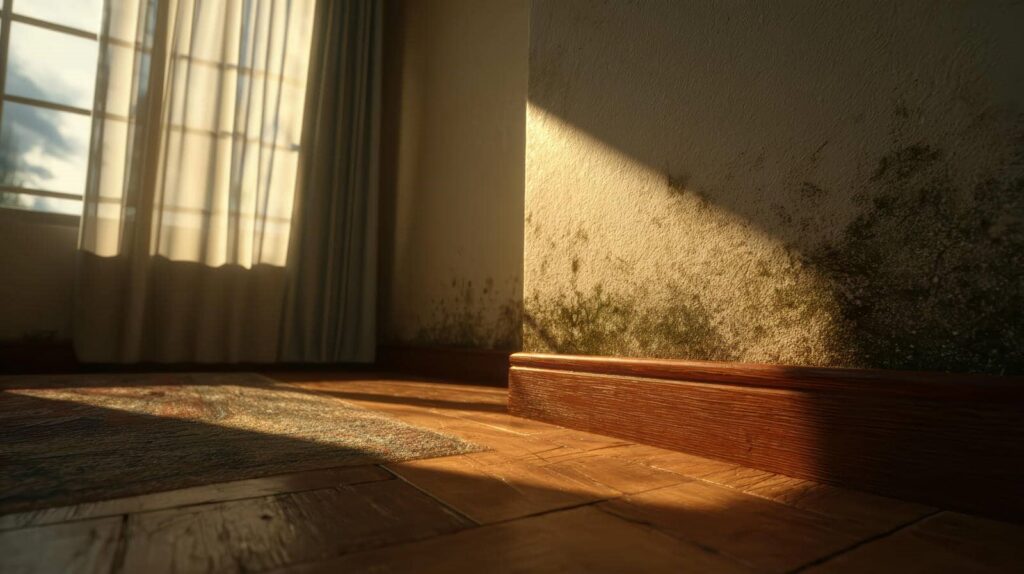
Start by inspecting for visible mold types, such as black mold or white mold, which thrive in damp, poorly ventilated spaces. Use a flashlight to check corners, behind pipes, and under carpets, as these areas often harbor hidden growth.
Next, evaluate the growth conditions contributing to mold presence. High humidity levels (above 60%), water leaks, or inadequate ventilation can create a perfect storm for mold proliferation.
Consider using a hygrometer to measure humidity and identify potential sources of moisture. Document your findings, including the mold’s location and extent of growth, to aid in further action.
Containment and Removal Strategies
To effectively tackle mold growth in your basement, it’s crucial to implement proper containment and removal strategies.
Start by using containment methods like plastic sheeting to create barriers around the affected area. Seal off vents, doors, and windows to prevent spores from spreading throughout your home.
Once contained, you can focus on removal techniques. Wear appropriate personal protective equipment, including masks and gloves, to ensure your safety.
Begin with dry cleaning methods, such as vacuuming with a HEPA filter, to capture loose spores. For porous materials, consider removing and discarding items like drywall or carpeting that are heavily infested.
After removal, treat the surfaces with a mold-killing solution to eliminate any remaining spores.
Finally, make sure the area is thoroughly dried out, as moisture control is key to preventing future growth.
Following these strategies will help you reclaim your basement and promote a healthier living environment.
Prevention and Maintenance Measures
After successfully containing and removing mold, it’s important to focus on prevention and maintenance measures to ensure it doesn’t return.
Start by ensuring your basement has adequate ventilation systems. Proper airflow reduces moisture buildup, which is essential in preventing mold growth. Consider installing exhaust fans or vents to enhance air circulation.
Next, implement humidity control strategies. Aim to keep indoor humidity levels between 30-60%. Using dehumidifiers can help maintain these levels, especially in damp conditions. Regularly monitor humidity with a hygrometer to stay informed.
Additionally, inspect your basement for leaks and address any plumbing issues promptly. Seal cracks in walls and floors to prevent water intrusion.
Finally, make it a habit to regularly clean and maintain your basement, focusing on areas prone to moisture. By taking these proactive steps, you can create a mold-resistant environment that fosters a safe and welcoming space for everyone.
Frequently Asked Questions
Can I Remove Mold Without Professional Help?
Yes, you can remove mold without professional help. Start with mold identification techniques to assess the problem, then use DIY mold removal methods, ensuring you wear protective gear and ventilate the area for safety.
What Health Risks Does Mold Exposure Pose?
Mold exposure can lead to various health risks, including mold symptoms like allergic reactions and respiratory issues. You might experience coughing, sneezing, or difficulty breathing, which can greatly affect your overall well-being and comfort.
How Long Does Mold Remediation Typically Take?
Think of mold remediation as a chess game; every move counts. Typically, the remediation timeline spans 1 to 5 days, depending on severity. Project duration includes assessment, removal, and ensuring a safe environment afterward.
Are There Home Remedies for Mold Removal?
Yes, there are effective home solutions for mold removal. You can use natural cleaners like vinegar or baking soda to eliminate mold. Just apply them, scrub the area, and rinse for a cleaner, healthier environment.
How Much Does Professional Mold Remediation Cost?
Professional mold remediation costs typically range from $500 to $6,000, depending on mold inspection costs and remediation service types. Factors like severity and area affected can influence the overall price considerably.
Summary
In the battle against basement mold, you might think ignoring it will make it disappear, much like hoping a storm won’t reach your shore. But without proper inspection, containment, and removal, you’re merely inviting it to settle in for a long stay. By actively addressing mold through effective strategies and diligent maintenance, you’re not just preventing future growth; you’re ensuring your basement doesn’t transform into a thriving ecosystem for unwelcome guests. Embrace the fight—it’s worth it.
Recent Posts
24/7 Water Damage Cleanup Checklist
At 2 a.m., you notice water pooling under your laundry room wall, and you have
What Is 24 Hour Water Damage Cleanup?
If you’re dealing with a water emergency, 24 hour water damage cleanup gives you immediate
Ceiling Leak Mold Inspection Report Guide
If you’re dealing with a ceiling leak, you need to know how mold can develop,