
Contents
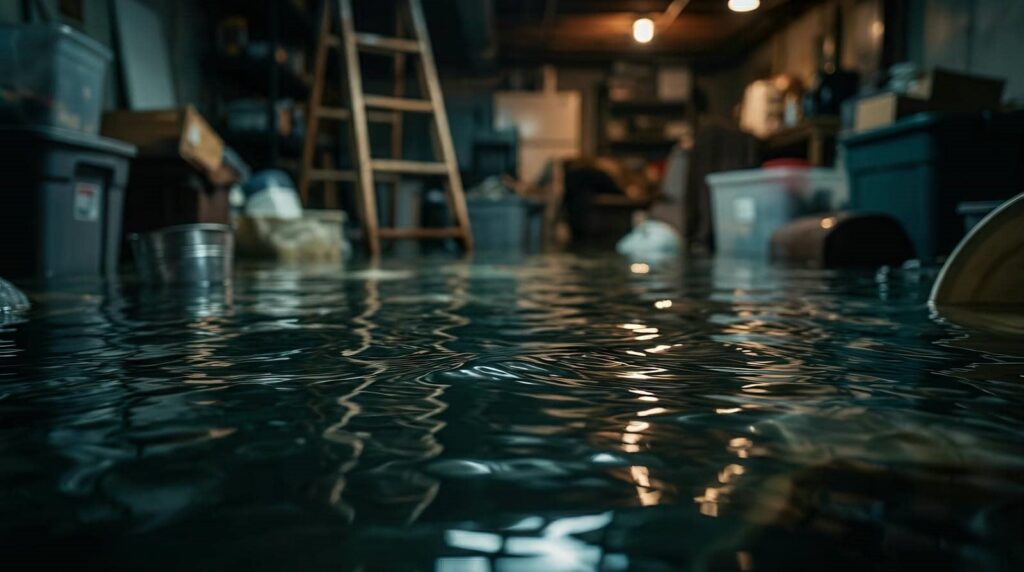
A Flooded Basement can be overwhelming, but a structured approach can help you restore it efficiently. Start by evaluating the damage and ensuring that you take the necessary safety precautions. Next, you’ll need to remove the standing water to prevent further complications. Each step is vital, and overlooking any could lead to bigger problems down the line. Let’s explore the essential steps you need to take to get your basement back in shape.
Key Takeaways
- Assess the damage by documenting with photos and videos for insurance claims and noting structural issues or mold growth.
- Ensure safety by wearing protective gear, unplugging electrical appliances, and avoiding standing water.
- Remove standing water using a submersible pump and wet/dry vacuum while wearing appropriate protective equipment.
- Dry out the area by using fans and dehumidifiers to enhance air circulation and moisture removal.
- Clean and disinfect surfaces with bleach solutions or commercial disinfectants to prevent contamination and mold growth.
Assess the Damage
Before you plunge into the restoration process, you need to accurately assess the damage in your flooded basement. Start by documenting everything—take photos and videos to ensure you capture the extent of the water damage. This damage evaluation is essential for both your understanding and any potential insurance claims.
Look for structural issues, mold growth, and damaged belongings. Note the types of materials affected, as this will influence restoration efforts and costs.
Once you’ve gathered evidence, contact your insurance provider to discuss your findings. They’ll guide you through the claims process, so be prepared with your documentation.
Ensure Safety Precautions
After evaluating the damage, your next step is to confirm safety precautions are in place.
Begin by donning appropriate safety gear, including gloves, boots, and masks, to protect yourself from hazardous materials and contaminants that may have entered your basement.
Ensure all electrical appliances are unplugged and avoid stepping into standing water, as it can pose a serious shock hazard.
Keep emergency contacts handy, including local utilities, a plumber, and a disaster recovery service.
If you notice structural damage, evacuate the area and call a professional for assistance.
Additionally, let family or friends know your situation; they can offer support or help if needed.
Remove Standing Water
To effectively remove standing water from your flooded basement, start by using a submersible pump if the water level is significant. This tool is essential for efficient water extraction, allowing you to clear out large volumes quickly.
Position the sump pump in the deepest part of the flooded area, ensuring it’s stable and secure. Connect a discharge hose to direct the water away from your foundation to prevent further issues.
If the water isn’t deep, a wet/dry vacuum can also be effective. Just remember to empty the vacuum frequently to maintain its suction power.
Make sure to wear protective gear during this process to keep yourself safe from potential contaminants. As you work, monitor the water level closely and adjust your method as needed.
Once you’ve removed the standing water, you’ll be set to move on to drying out the area effectively.
Dry Out the Area
Once you’ve removed the standing water, it’s essential to dry out the area effectively.
Start by increasing air circulation using fans and dehumidifiers to expedite the drying process.
This step helps prevent mold growth and ensures a safer environment moving forward.
Remove Standing Water
Removing standing water is an important step in restoring your flooded basement and preventing further damage.
Start by using a sump pump for effective water extraction. If you don’t have one, consider renting or purchasing a portable unit. Position the pump in the lowest area of your basement to maximize efficiency. As the water level decreases, monitor the pump’s operation to ensure it’s functioning properly.
Once the majority of the water is removed, you can use a wet/dry vacuum for any remaining puddles. Remember to wear appropriate safety gear, like gloves and boots, to protect yourself from contaminants.
After removing the water, it’s vital to address any remaining moisture to prevent mold growth and further issues.
Increase Air Circulation
Effective air circulation is essential for drying out your flooded basement and preventing mold growth.
To achieve ideal airflow, consider implementing the following airflow techniques:
- Open windows and doors to create cross-ventilation.
- Use fans to direct air towards wet areas, enhancing evaporation.
- Install a dehumidifier to remove excess moisture from the air.
- Utilize ventilation systems if available, ensuring they’re set to extract damp air.
Clean and Disinfect Surfaces
Once you’ve dried out the area, it’s vital to clean and disinfect all surfaces affected by the flood.
Gather essential cleaning supplies such as gloves, brushes, and disinfectants to ensure effective sanitation.
We’ll explain the best disinfection techniques to eliminate harmful contaminants and prevent mold growth.
Essential Cleaning Supplies
To successfully clean and disinfect surfaces in your flooded basement, you’ll need a handful of essential supplies.
Having the right cleaning tools and safety gear ensures effectiveness while keeping you safe during the process. Here’s what you should gather:
- Rubber gloves: Protect your hands from harmful contaminants.
- Mops and buckets: Essential for removing excess water and cleaning surfaces.
- Disinfectant solutions: Choose EPA-approved products to effectively kill bacteria and mold.
- Scrub brushes: Use these for tough stains and debris on floors and walls.
With these supplies at hand, you’ll be well-equipped to tackle the cleaning and disinfecting process, helping to restore your basement while ensuring a safe environment for you and your family.
Disinfection Techniques Explained
While cleaning your flooded basement, understanding proper disinfection techniques is essential for eliminating harmful pathogens and preventing mold growth.
Start by using effective disinfection methods, such as a bleach solution (1 cup of bleach to 1 gallon of water) or commercial disinfectants specifically labeled for flood cleanup. Make sure you follow the sanitation protocols outlined on product labels for maximum effectiveness.
Apply the solution to all surfaces, including walls, floors, and items that can be salvaged, and let it sit for at least 10 minutes before rinsing.
Don’t forget to wear protective gear, like gloves and masks, to keep yourself safe.
Finally, allow the area to dry thoroughly, as moisture can lead to future contamination. Your diligence now protects your space and health.
Address Mold Growth
As soon as the water has receded, it’s crucial to address mold growth in your flooded basement, since mold can develop within 24 to 48 hours in damp conditions.
Taking prompt action helps prevent mold and mitigates potential health risks for you and your family.
Here’s what you should do:
- Inspect the area for visible signs of mold or mildew.
- Ventilate the space by opening windows and using fans to circulate air.
- Use a mold-killing solution to clean affected surfaces, ensuring you follow safety precautions.
- Remove any contaminated materials like carpets or drywall that can’t be salvaged.
Restore and Repair Damaged Materials
Once you’ve addressed mold growth, the next critical step is to restore and repair damaged materials in your basement.
Start by evaluating the extent of the damage. For drywall, you may need to cut out and replace sections that are beyond repair. Use appropriate repair techniques like taping and mudding for a seamless finish.
When selecting materials, opt for water-resistant options, such as moisture-resistant drywall or mold-resistant paint, to prevent future issues.
For flooring, consider replacing soaked carpets with vinyl or tile, which are more resilient. If you’ve got wooden structures, dry them thoroughly and treat them with a sealant to protect against moisture.
Always prioritize your safety and use personal protective equipment, especially when dealing with moldy materials.
Engaging in these restoration efforts improves your basement’s functionality and fosters a sense of belonging as you reclaim your space.
Frequently Asked Questions
What Insurance Coverage Is Available for Basement Flooding?
You can get flood insurance to cover basement flooding. Check your policy for coverage limits, as they can vary considerably. It’s crucial to understand these details to make sure you’re adequately protected against potential damages.
How Can I Prevent Future Flooding in My Basement?
To keep your basement dry like a fortress against storms, install a reliable sump pump and maintain an efficient drainage system. Regularly check for clogs and ensure proper grading around your home to divert water.
Should I Hire Professionals or DIY for Water Removal?
You should weigh the complexity of the situation. DIY techniques can save you money, but professional services guarantee thoroughness and safety. If you’re unsure, it’s wise to consult experts to avoid potential risks and further damage.
What Are the Signs of Hidden Water Damage?
You’ll notice signs of hidden water damage through peeling paint, warped walls, and musty odors. Using moisture detection tools can help identify hidden leaks, ensuring you address potential issues before they escalate into costly repairs.
How Long Does It Take for a Basement to Dry?
Drying a basement’s like watching paint dry; it can take 48 to 72 hours, depending on drying techniques and humidity levels. Proper airflow and dehumidifiers help speed up the process, ensuring a safe, dry space.
Conclusion
Once you’ve followed these steps, you’ll have your basement back in shape in no time. Remember, tackling water damage head-on is key to preventing bigger problems down the road. By addressing issues promptly and effectively, you can keep your home safe and sound. Don’t let a flooded basement rain on your parade; take action, restore, and protect your space for the future. With diligence and care, you’ll turn this setback into a comeback.
Recent Posts
What Is 24 Hour Water Damage Cleanup?
If you’re dealing with a water emergency, 24 hour water damage cleanup gives you immediate
Ceiling Leak Mold Inspection Report Guide
If you’re dealing with a ceiling leak, you need to know how mold can develop,
5 Tips for Mold Inspection Reports
When you review a mold inspection report, you need to check more than just the