
Contents
You can’t afford to wait when floodwater enters your home. 24/7 Flood Cleanup helps you respond immediately by safely shutting off utilities, stopping the source, and removing standing water fast. Then dry, disinfect, and inspect for hidden damage before mold takes hold. The next steps can decide whether you save the structure or lose it.
Key Takeaways
- Shut off electricity, gas, and water, then wear boots, gloves, and an N95 before entering.
- Stop the water source by closing the main valve or broken lines, and call professionals if flooding continues.
- Remove standing water quickly with pumps, wet vacs, mops, and squeegees, keeping outlets and cords dry.
- Dry affected areas using fans, dehumidifiers, and open airflow, while lifting rugs and removing unsalvageable materials.
- Clean salvageable surfaces, disinfect nonporous areas, inspect for mold and structural damage, and document everything for repairs.
Start Flood Cleanup Safely
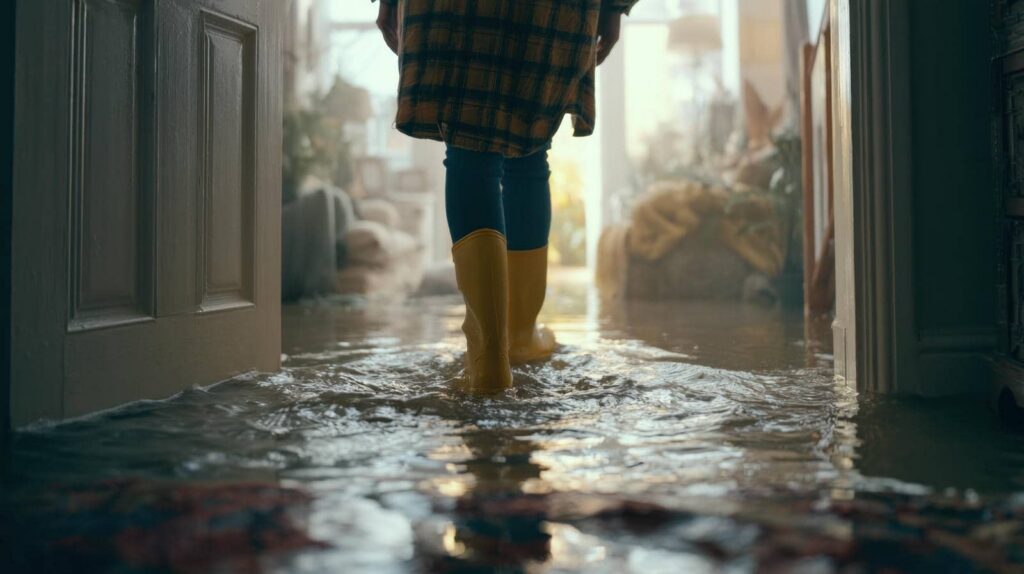
Before you begin flood cleanup, make sure the area is safe to enter by shutting off electricity, gas, and water if you can do so without risk. Then, wear protective gear such as boots, gloves, and an N95 respirator. You’re part of a careful crew now, so follow safety precautions before you move debris or inspect surfaces.
Keep your personal protective equipment on until you finish handling contaminated materials. Check floors for instability, sharp objects, and hidden hazards, then mark unsafe zones so no one slips or enters by mistake.
Use a flashlight instead of candles, and avoid standing water until you know it’s nonconductive. If you smell fuel, hear hissing, or feel heat, leave immediately and call professionals.
Work methodically, document conditions, and stay alert for fatigue, since clean, safe progress protects everyone involved.
Stop the Water Source Immediately
If the floodwater is still entering the space, stop the source right away by shutting off the main water valve, closing broken supply lines, or turning off appliances that are leaking, provided you can do so safely. This is your first emergency response step, and it protects your team and the structure.
Stay alert, move with purpose, and confirm the water source has stopped before you proceed.
- Locate the shutoff fast.
- Verify every valve you touch.
- Call a pro if the source stays active.
You don’t need to handle this alone; your cleanup crew can coordinate the next actions once the flow stops.
Document the shutoff point, note any unusual pressure, and keep communication clear so everyone stays aligned and ready for the rest of the job.
Remove Standing Water Quickly
Use pumps, wet vacs, mops, and squeegees to remove standing water as fast as possible once the source is shut off.
You should prioritize low spots, corners, and pathways where water can spread. Move methodically so your water removal techniques stay efficient and you don’t miss hidden puddles.
Use emergency equipment rated for the volume you’re handling, and empty containers before they overflow. Keep electrical cords and outlets clear, and don’t stand in water while operating powered tools.
If water keeps seeping in, keep extracting it until the area stays level. Work with your cleanup crew, communicate progress, and assign one person to monitor flow.
Fast removal limits further damage and gets your team back on track.
Dry Walls, Floors, and Contents
Once the standing water is gone, dry walls, floors, and contents immediately to slow mold growth and prevent material breakdown. Start with a moisture assessment, checking baseboards, drywall, subflooring, and furniture with your hand and a meter.
Use drying techniques that move air across wet surfaces: fans, dehumidifiers, and open pathways around each item.
- Lift rugs, cushions, and boxes so air can circulate underneath.
- Remove wet insulation, carpet pad, and soaked paper goods you can’t salvage.
- Separate contents by material, then dry wood, metal, and fabric in zones.
Track progress daily and reposition equipment as needed. You’re not handling this alone; work the space methodically, and you’ll restore dry, stable conditions faster.
Clean, Disinfect, and Prevent Mold
Now that surfaces are dry to the touch, clean all salvageable materials with detergent and water to remove silt, sewage residue, and organic debris. Then disinfect hard, nonporous surfaces with an appropriate EPA-registered product mixed and applied exactly as directed on the label.
You’ll protect your household by working from cleaner areas to dirtier ones and changing rinse water often. Use gloves, eye protection, and ventilation so you can stay safe while you work.
For mold identification, inspect corners, underside edges, and concealed joints for discoloration, musty odor, or fuzzy growth. If you find mold, use cleaning techniques that scrub, rinse, and dry the area completely.
Keep relative humidity low, run fans and dehumidifiers, and remove damp items you can’t dry quickly. Stay consistent; your careful steps help your home recover.
Repair Your Home After Flood Damage
After cleanup and drying, inspect the structure for damage before you start repairs. Use safety equipment, then document every issue for your insurance claims and flood insurance adjuster.
Schedule a structural assessment to check framing, subflooring, electrical, and HVAC systems. If you spot shifting, call restoration services immediately; they’ll stabilize hazards and guide mold prevention steps.
Keep your emergency kit nearby for tools, gloves, masks, and flashlights.
- Replace damaged drywall, insulation, and flooring in sequence.
- Seal gaps, dry cavities, and test utilities before reentry.
- Lean on community resources for permits, debris pickup, and trusted contractors.
Work methodically with neighbors and pros so your home feels safe again.
Frequently Asked Questions
How Do I Document Flood Damage for Insurance Claims?
You document flood damage by taking dated photos, video, and notes during a flood assessment, then preserve damaged items and complete insurance paperwork promptly. You’ll strengthen your claim and stay connected to support.
When Should I Call Emergency Flood Restoration Services?
Call emergency flood restoration services immediately if water’s rising, walls are damp, or sewage’s present. You’ll protect your home fast. Your flood response should involve emergency services within hours, not days, to limit structural damage.
Can Flood-Damaged Electronics Be Safely Repaired?
Sometimes, you can repair flood-damaged electronics, but you shouldn’t power them on. You’d need professional electronic restoration after water damage, plus cleaning, drying, and testing. You’ll protect your gear and join others who recover it safely.
What Temporary Housing Options Are Available During Cleanup?
You can use temporary shelter options like hotels, rentals, or community shelters, plus relocation assistance from insurers, FEMA, or local agencies. You’ll stay supported, connected, and safe while crews clean and dry your home.
How Can I Prevent Future Basement Flooding?
You can prevent future basement flooding by sealing foundation cracks, installing sump pumps, and grading soil away from walls. For example, one neighbor added drainage solutions and waterproofing techniques, and their basement stayed dry through storms.
Wrap-Up
By following these steps, you can move from chaos to control fast and protect your home from further damage. Keep your PPE on, shut off utilities, stop the water source, and remove standing water without delay. Then dry, disinfect, and inspect every affected surface and item. Document damage for insurance and schedule repairs right away. Act quickly, because floodwater can turn a small problem into a monster-sized mess in no time.
Recent Posts
What Is 24 Hour Water Damage Cleanup?
If you’re dealing with a water emergency, 24 hour water damage cleanup gives you immediate
Ceiling Leak Mold Inspection Report Guide
If you’re dealing with a ceiling leak, you need to know how mold can develop,
5 Tips for Mold Inspection Reports
When you review a mold inspection report, you need to check more than just the