
Contents
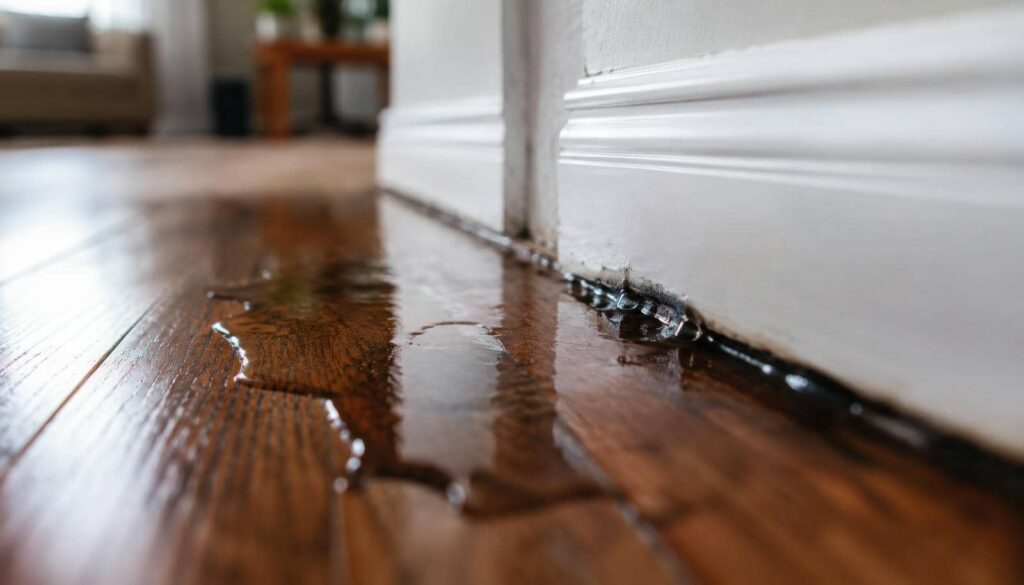
When water enters your home, it’s a red alarm you can’t ignore. You should shut off the source and electricity, clear people and valuables, then begin 24/7 Emergency Water Cleanup to remove standing water as fast as you can. Next, you’ll need to dry floors, carpets, walls, and cabinets with fans and dehumidifiers. Document every loss for insurance, and watch for mold within 24 to 48 hours, because the next step can change everything.
Key Takeaways
- Shut off the water source and electricity immediately if safe to prevent further damage and hazards.
- Move people, valuables, and furniture out of the wet area, then document damage with photos for insurance.
- Remove standing water using a wet/dry vacuum, pump, mop, or carpet extractor as soon as possible.
- Run fans, dehumidifiers, and open windows to dry floors, walls, cabinets, and ceilings continuously.
- Call for mold inspection if water has been present 24 to 48 hours or you notice musty odors or visible growth.
What to Do Right After Water Damage
The moment water damage happens, you need to act fast: shut off the water source if you can do so safely, turn off electricity in affected areas, and move people and valuables out of the wet zone.
Next, document the scene with clear photos and short notes for insurance claims; you’ll build a stronger record if you capture visible damage, the source, and affected rooms.
Then contact your insurer and report the loss right away. Keep receipts for emergency expenses and avoid discarding damaged items until you get approval.
If you’re unsure about structural risks, stay out of sagging ceilings or soaked floors and wait for qualified help.
You’re not handling this alone—quick, careful action gives your home the best chance to recover.
Emergency Water Cleanup Steps
Start cleanup only after the area is safe: remove standing water with a wet/dry vacuum, pump, or mop. Then open windows and run fans and dehumidifiers to speed drying.
You should shut off power only if you can do it safely, and wear gloves, boots, and eye protection. Move damp items to a dry, ventilated space and separate salvageable materials from damaged ones.
Document every room with photos and notes for insurance claims, then keep receipts and moisture readings. Inspect baseboards, insulation, and hidden cavities for lingering dampness.
Use preventive measures now by sealing leaks, improving drainage, and scheduling follow-up checks.
You’re not handling this alone; steady, methodical action reduces damage, limits mold risk, and helps your home recover faster.
How to Remove Water From Floors and Carpets
Once you’ve confirmed the area is safe, focus on pulling water out of floors and carpets as quickly as possible.
Start with water extraction methods: use a wet/dry vacuum, carpet extractor, or pump for standing water, working in slow overlapping passes.
For carpet, press a squeegee or push broom from the center toward a drain, then lift the pile with clean towels. Remove rugs and move them to a dry space.
On hard floors, mop remaining moisture and dry the surface with absorbent cloths. Keep foot traffic low, and place fans nearby if available.
These flood prevention tips help limit secondary damage and keep your space manageable. You’re doing the right steps, and your home team can recover faster with steady, focused action.
Drying Out Walls, Ceilings, and Cabinets
Remove moisture from walls, ceilings, and cabinets as soon as the standing water is under control, because trapped dampness can quickly lead to swelling, staining, and mold growth.
You should open cabinet doors, remove drawer contents, and pull furniture away from affected surfaces to improve airflow. Run fans and dehumidifiers continuously for moisture control, and keep HVAC vents clear so air can move through enclosed spaces.
If drywall feels soft or base trim stays wet, drill small drying holes low in the wall cavity and monitor wall insulation for retention.
Wipe ceiling surfaces and cabinet interiors with clean, dry cloths, then check seams, hinges, and corners daily.
Your crew can stay ahead of damage by tracking progress, keeping spaces ventilated, and stopping hidden dampness early.
When to Call for Mold Inspection and Testing
Call for mold inspection and testing if water damage has been present for more than 24 to 48 hours, if you see visible mold, or if you notice a musty odor that doesn’t go away after drying.
You should also act when drywall, insulation, or subfloors stayed wet, because hidden growth can spread fast. A qualified inspector can sample air and surfaces, identify the species, and tell you whether cleanup is enough or removal is needed.
This protects your mold health and helps your team make confident next steps. Compare inspection costs before you hire, but don’t delay for a lower price if symptoms persist.
When you respond early, you reduce repairs, support safer indoor air, and stay connected to a home that feels secure.
Frequently Asked Questions
How Do I Document Water Damage for an Insurance Claim?
Photograph water damage from multiple angles, note dates, times, and affected items, and save receipts. Then contact your insurer, follow the insurance process, and keep every repair estimate, so you’ve got clear proof and support.
What Safety Gear Should I Wear During Cleanup?
Wear safety gloves, protective boots, eye protection, and an N95 mask if mold or debris’s present. You’ll stay safer, cleaner, and ready to help your team. Use waterproof gear and avoid exposed wiring.
Can Contaminated Water Damage Electronics Permanently?
Yes—contaminated water can permanently damage electronics. Many flooded devices fail later. You should power them off, dry them fast, and seek electronics repair quickly to reduce water damage and protect your gear.
How Long Do Wet Items Usually Take to Dry?
Wet items usually dry in 24 to 72 hours, but thicker materials can take longer. You should do a moisture assessment and use drying techniques quickly, so you’ll feel confident and supported throughout recovery.
Should I Shut off Electricity Before Entering Flooded Areas?
Yes—shut off electricity before you enter flooded areas. Like a firefighter’s rule, one wet outlet can hide 120 volts. You’ll reduce electrical hazards, protect flood safety, and keep your team together and confident.
Review
When water damage hits, you move fast and smart. Shut off the source, cut the power, and clear out what matters most. Then, pull the water out, dry the space, and keep air moving like a steady tide. Document everything for your claim, and watch closely for mold within 24 to 48 hours. If you act quickly, you can stop small trouble from turning into a costly storm and get your home back on solid ground.
Recent Posts
24/7 Water Damage Cleanup Checklist
At 2 a.m., you notice water pooling under your laundry room wall, and you have
What Is 24 Hour Water Damage Cleanup?
If you’re dealing with a water emergency, 24 hour water damage cleanup gives you immediate
Ceiling Leak Mold Inspection Report Guide
If you’re dealing with a ceiling leak, you need to know how mold can develop,