
Contents
When dealing with mold after water damage, it’s vital to start with a thorough assessment of the affected areas. You need to identify visible signs of mold and measure hidden moisture levels. Once you’ve done that, ensuring proper ventilation will be essential for effective drying. But that’s just the beginning. Understanding the entire process can help you eliminate and remove mold and prevent future growth. Let’s explore the necessary steps in detail.
Key Takeaways
- Inspect affected areas for visible mold growth and moisture signs before starting the removal process.
- Remove contaminated materials like drywall and carpet, sealing them in plastic bags to prevent spore spread.
- Clean surfaces with soap, water, or vinegar solutions to eliminate mold spores, rinsing and drying thoroughly.
- Use diluted bleach solutions on stubborn mold, ensuring proper ventilation during the cleaning process.
- Monitor areas regularly for future mold growth and maintain proper ventilation to control humidity levels.
Assessing the Extent of Water Damage
How can you accurately assess the extent of water damage in your home?
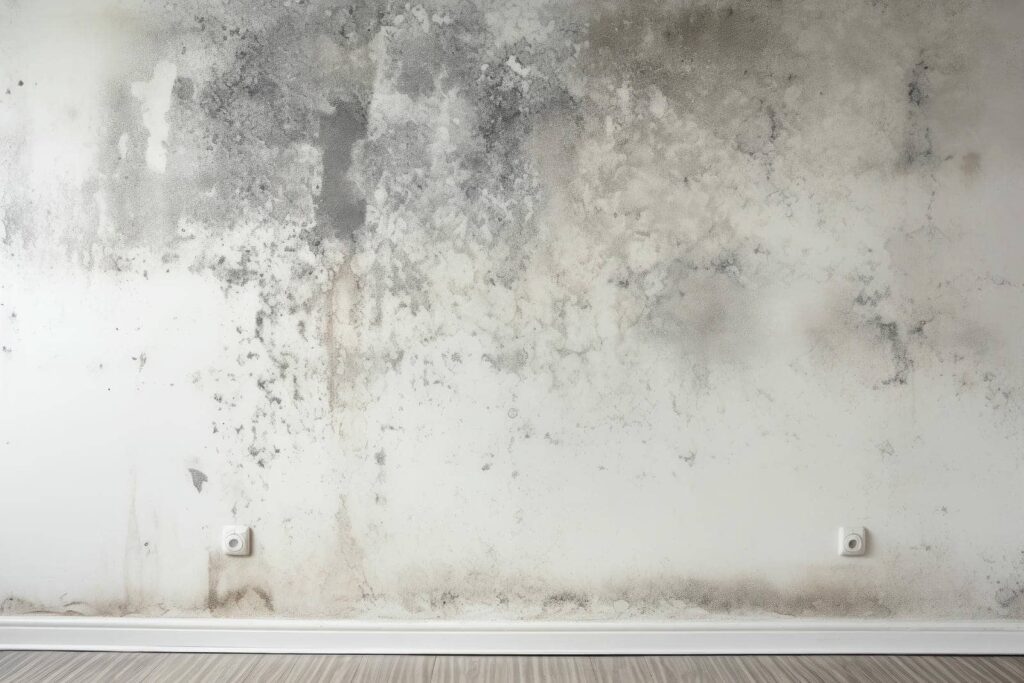
Start by inspecting visible areas for signs of moisture, such as discoloration on walls and ceilings. Look for mold growth indicators, like black spots or a musty odor, which can signal hidden water damage.
Don’t forget to check less obvious places, like behind appliances or under carpets.
Next, use a moisture meter to measure the humidity levels in affected areas. This tool helps determine if the moisture content exceeds safe limits. Document your findings for a thorough water damage assessment.
If you spot significant damage, it’s wise to consult professionals. They can provide a detailed evaluation and recommend necessary remediation steps.
Ensuring Proper Ventilation
To effectively remove mold after water damage, ensuring proper ventilation is essential.
You need to promote airflow in the affected area, as this helps dry out moisture and reduces mold growth.
Utilizing fans and natural ventilation techniques will optimize the drying process and create a healthier environment.
Importance of Airflow
While it might seem tempting to focus solely on cleaning visible mold, ensuring proper airflow is vital for effective mold removal after water damage.
Airflow importance can’t be overstated; it helps to dry out damp areas and reduce humidity, creating an unfavorable environment for mold growth.
Using proper airflow techniques, like opening windows and doors, can considerably enhance ventilation. You should also consider using dehumidifiers to maintain ideal moisture levels.
By increasing airflow, you facilitate quicker drying and help disperse any mold spores that may be present.
This proactive approach is essential to safeguarding your space and preventing future mold issues, fostering a healthier living environment for you and your loved ones.
Using Fans Effectively
Using fans effectively can greatly enhance ventilation and aid in mold removal after water damage. Start by positioning oscillating fans in strategic locations throughout the affected area. This will help ensure that air is directed towards damp surfaces, promoting faster drying.
When using oscillating fans, aim to maximize air circulation by adjusting their angles to cover as much space as possible. Make certain to run the fans continuously for several hours or even days, depending on the severity of the moisture.
Additionally, combine fan usage with dehumidifiers for ideal results. Remember, effective airflow is vital in preventing mold growth, so stay proactive and attentive to your environment. Your efforts can make a significant difference in restoring a safe and healthy space.
Natural Ventilation Techniques
After ensuring effective airflow with fans, consider implementing natural ventilation techniques to further enhance the drying process and minimize mold growth.
Open windows and doors to encourage natural air circulation, allowing fresh air to flow in while pushing out humid, stagnant air. This method aids in drying and helps maintain humidity control, which is vital in preventing mold resurgence.
If possible, create cross-ventilation by opening windows on opposite sides of your space, optimizing airflow. If outdoor humidity is low, this can make a significant difference.
Remember to monitor humidity levels, as maintaining a balanced environment is essential for mold prevention and ensuring a healthier living space for you and your family.
Removing Affected Materials
To effectively remove mold, you need to first identify the areas affected by water damage.
Once you’ve pinpointed these spots, it’s essential to dispose of any contaminated materials, like drywall or carpet, promptly and safely.
This step prevents further mold growth and protects your living space from health risks.
Identify Affected Areas
Identifying affected areas is essential for effective mold removal after water damage, as even a small oversight can lead to persistent problems.
Start with mold identification techniques that help pinpoint visible and hidden growth. Use visual inspection methods to examine walls, ceilings, and floors meticulously. Look for discoloration, water stains, or musty odors, which often indicate mold presence.
Don’t forget to check behind furniture and in less accessible areas like ducts or crawl spaces. Document your findings to create a thorough action plan.
Dispose of Contaminated Materials
Since mold can thrive in contaminated materials, it’s important to remove and dispose of anything that’s been affected by water damage.
Begin by identifying items like drywall, carpeting, and insulation that can’t be salvaged. Use proper mold disposal techniques to prevent further contamination. Seal these materials in plastic bags to avoid spore spread, and label them clearly as hazardous waste.
Contact your local waste management authority to understand the correct disposal process for hazardous materials. Make sure you wear protective gear, including gloves and masks, during this process to safeguard your health.
Cleaning and Disinfecting Surfaces
Begin by thoroughly cleaning and disinfecting any surfaces affected by water damage to eliminate mold spores and prevent future growth.
Use mold removal techniques like scrubbing with a brush and a solution of soap and water or a mixture of vinegar and water. These disinfectant alternatives are effective and less harsh than chemical cleaners, making them safer for your home and family.
After scrubbing, rinse the surfaces with clean water and dry them completely to avoid moisture retention, which can foster mold regrowth.
Pay special attention to porous materials, as they may require more intensive treatment. If you’re dealing with stubborn mold, consider a diluted bleach solution, but be cautious and ensure proper ventilation.
Drying and Dehumidifying the Area
To effectively prevent mold growth after water damage, it’s essential to dry and dehumidify the affected area promptly.
Start by using fans to increase air circulation, which helps evaporate moisture quickly. Position these fans strategically to maximize airflow.
Next, a dehumidifier is important for moisture control; set it to the appropriate settings based on the humidity levels in your space. Aim for a relative humidity of 30-50% to inhibit mold development.
Monitor the area daily for changes in moisture levels. If you notice persistent dampness, adjust the dehumidifier settings accordingly.
Check for any hidden pockets of water, like behind walls or under flooring, as these can harbor mold.
Monitoring for Future Mold Growth
After addressing the immediate water damage, it’s important to remain vigilant in monitoring for future mold growth. You can implement preventive measures that help ensure a mold-free environment.
Start by conducting regular inspections of areas prone to moisture, such as basements, bathrooms, and around windows. Keep an eye out for any signs of dampness or discoloration on walls and ceilings.
Consider using a moisture meter to detect hidden dampness within materials. If you spot any potential issues, address them promptly to avoid mold proliferation.
Additionally, maintain proper ventilation in your home to reduce humidity levels, especially in high-moisture areas.
It’s also wise to establish a routine for checking appliances that use water, like dishwashers and washing machines, for leaks.
Frequently Asked Questions
Can I Use Bleach to Remove Mold Effectively?
You can’t rely on bleach for effective mold removal. While it kills surface mold, it doesn’t penetrate porous materials. Explore extensive mold removal methods instead, ensuring you tackle the problem thoroughly for lasting results.
How Long Does It Take for Mold to Grow After Water Damage?
Mold can sprout just 24 to 48 hours after water damage. To prevent this, act quickly—dry out affected areas and monitor humidity levels. Your proactive steps create a safer, healthier home environment for everyone.
Should I Hire a Professional or Handle Mold Removal Myself?
You should consider a professional assessment for thorough mold removal, especially if the infestation is extensive. While DIY methods can be effective for small areas, professionals ensure safety and proper remediation, fostering a healthier environment for you.
What Personal Protective Equipment Should I Wear During Mold Removal?
During mold removal, you should wear an N95 respirator, gloves, and goggles. Curiously, nearly 50% of homes have mold issues. Prioritize safety precautions and proper mold removal techniques to protect yourself and your loved ones.
Are There Specific Types of Mold That Are More Dangerous?
Yes, certain mold types, like black mold, can be toxic and pose serious health risks. It’s essential to identify these dangerous molds early, ensuring you protect yourself and your loved ones from potential harm.
Review
In tackling mold after water damage, think of it as a battle against an unwelcome invader. By evaluating the damage, ensuring ventilation, and removing contaminated materials, you can reclaim your space. Don’t forget to clean and disinfect thoroughly while drying the area to starve any remaining spores.
Recent Posts
3 Tips for Safe Black Mold Removal
Removing black mold can be crucial for your health, yet it’s often underestimated. To tackle
7 Steps to Remove Black Mold After Water Damage
Black mold can pose serious health risks and often stems from water damage that’s been
Effective Black Mold Removal After Water Damage
After experiencing water damage, addressing black mold is vital for your health and property. Mold