
Contents
Understanding the best practices for water removal, drying, and cleaning can greatly reduce mold risks. By taking immediate action and implementing long-term prevention techniques, you can protect your home and health. Let’s explore the essential steps to guarantee a mold-free environment after a flood.
Key Takeaways
- Conduct a thorough assessment to identify mold growth and moisture levels in affected areas post-flood.
- Immediately remove standing water using submersible pumps and wet/dry vacuums for effective water extraction.
- Clean and disinfect surfaces with effective agents like bleach or vinegar to eliminate mold spores.
- Apply mold inhibitors and sealants to prevent future mold growth on porous surfaces.
- Schedule regular inspections and maintenance to monitor air quality and address moisture issues promptly.
Assessing Water Damage and Mold Risk
When you face the aftermath of a flood, it’s essential to assess both the water damage and the potential for mold growth. Start by inspecting areas affected by standing water, as this can lead to a rapid increase in mold spores.
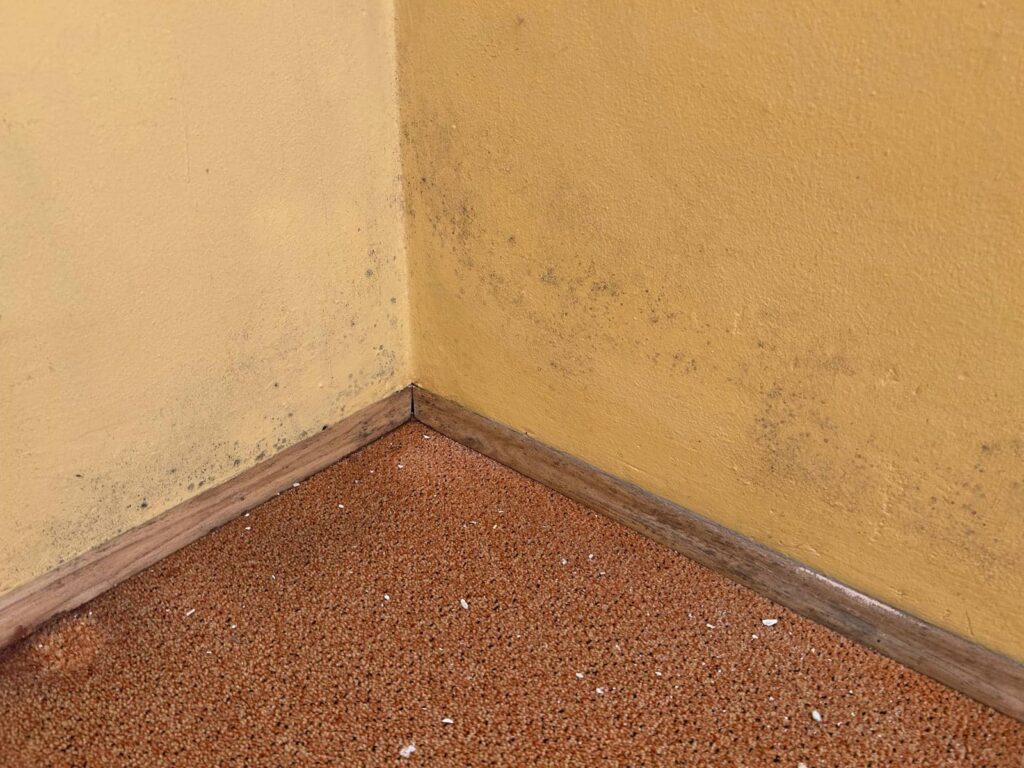
Look for damp materials—walls, carpets, and furniture are common culprits. Mold thrives in environments with moisture, and if left unchecked, it can pose significant health risks, including respiratory issues and allergic reactions.
Pay special attention to hidden spaces like behind drywall or under flooring, where moisture can linger undetected. Use a moisture meter to gauge levels in affected materials.
If you find any signs of mold, act quickly. Understanding the extent of water damage and mold risk helps you take informed steps toward a safe recovery.
Immediate Water Removal Techniques
Effective water removal is essential in the first 24 to 48 hours after a flood to minimize damage and prevent mold growth. During this critical period, your emergency response should focus on quick action.
Start by evaluating the flood-affected areas and identifying the sources of water. Next, select the right equipment for effective extraction. A powerful submersible pump can remove large volumes of water, while wet/dry vacuums are ideal for smaller, hard-to-reach areas. Don’t forget about fans and dehumidifiers to assist in the process.
Always prioritize safety by wearing protective gear and ensuring electricity is turned off in flooded zones.
Collaborating with professionals can enhance your efforts, as they often have access to advanced equipment and expertise. By acting swiftly and choosing appropriate tools, you can greatly reduce the risk of mold proliferation and protect your home from long-term damage.
Effective Drying Methods
Three key drying methods can greatly enhance your efforts in preventing mold growth after a flood.
By utilizing these strategies, you’ll improve dehumidifier effectiveness and guarantee ideal air circulation throughout your space.
Dehumidifiers: Use high-capacity models to extract moisture from the air quickly.
Fans: Position oscillating fans strategically to boost air circulation, helping surfaces dry faster.
Heating: Increase the temperature in affected areas to promote evaporation.
Natural Ventilation: Open windows and doors whenever possible to allow fresh air to flow in.
Moisture Meters: Regularly check moisture levels in materials to monitor drying progress.
Implementing these methods will greatly reduce the potential for mold growth.
Remember, the faster you dry out a space, the less likely mold will take hold.
Stay proactive, and you’ll create a healthier environment for you and your loved ones.
Cleaning and Disinfecting Affected Areas
After evaluating the extent of the flood damage, you need to focus on cleaning and disinfecting the affected areas effectively.
Utilizing the right cleaning solutions and techniques is essential to eliminate mold spores and prevent further growth.
We’ll explore initial assessment procedures, effective cleaning solutions, and an overview of disinfecting techniques to guarantee a thorough remediation process.
Initial Assessment Procedures
A thorough initial assessment is essential for successful mold remediation in flood-affected areas.
During your initial inspection, focus on evaluating the extent of damage to create an effective plan. Here’s what you should consider:
- Identify areas with visible mold growth.
- Check for moisture levels in walls and floors.
- Assess the condition of furnishings and personal items.
- Document any structural damage, like warped floors or ceilings.
- Note potential sources of lingering moisture.
This damage evaluation will guide you in determining the necessary cleaning and disinfecting steps to prevent mold proliferation.
Effective Cleaning Solutions
Effective cleaning solutions are essential for tackling mold in flood-affected areas. You have options ranging from eco-friendly solutions to commercial products that effectively eliminate mold.
When choosing your cleaning solution, consider the materials in your home. For porous surfaces like drywall, eco-friendly options such as vinegar or hydrogen peroxide can be effective, ensuring a safer environment for you and your family.
For tougher infestations, commercial products with mold inhibitors can provide stronger, targeted action. Always follow the manufacturer’s instructions for application and safety.
Disinfecting Techniques Overview
While mold removal is essential, understanding the proper disinfecting techniques is equally important for ensuring a thorough clean in flood-affected areas.
Effective disinfection methods help eliminate remaining pathogens and prevent future mold growth. Here are key sanitizing agents you can use:
Bleach: A powerful option for non-porous surfaces.
Hydrogen peroxide: Effective for hard surfaces and fabric.
Quaternary ammonium compounds: Good for general disinfecting.
Vinegar: A natural alternative for light cleaning.
Tea tree oil: A natural antifungal agent.
Identifying and Removing Contaminated Materials
Identifying and removing contaminated materials is crucial after a flood, as these materials can harbor mold and pose serious health risks. Start by employing mold identification techniques, such as visual inspections and moisture meters, to pinpoint affected areas.
Look for water-damaged carpets, drywall, and insulation, as they’re often prime targets for mold growth.
Once you’ve identified contaminated materials, follow material disposal guidelines to guarantee safe removal. Wear protective gear, including gloves and masks, to minimize exposure.
Seal contaminated items in airtight bags before disposing of them, and adhere to local regulations for hazardous waste disposal.
Document the process for insurance purposes, as this can help you recover costs associated with remediation.
Remember, acting quickly is crucial; the longer contaminated materials remain, the greater the risk of mold proliferation.
Using Mold Inhibitors and Sealants
To prevent mold from returning after a flood, using mold inhibitors and sealants is essential in your remediation strategy.
These products not only provide a barrier against future outbreaks but also enhance the longevity of your repairs.
Here are key aspects to take into account:
- Select effective mold inhibitors to prevent spore growth.
- Apply sealants to porous surfaces like wood and drywall.
- Ensure proper ventilation during application for peak effectiveness.
- Follow manufacturer guidelines for best results.
- Reassess regularly to maintain a mold-free environment.
Incorporating mold inhibitors and implementing sealant applications can greatly reduce your risk of mold reestablishment.
Implementing Air Quality Control Measures
Implementing air quality control measures is essential for maintaining a healthy indoor environment after a flood. You should consider investing in air purifiers, which can greatly reduce airborne pollutants, including mold spores.
Choose models with HEPA filters, as they capture even the smallest particles, ensuring cleaner air for you and your family.
In addition to air purifiers, effective ventilation systems are important. They help circulate fresh air throughout your space while expelling stale, damp air that can promote mold growth.
Make sure to open windows when weather permits, and consider using exhaust fans in areas prone to moisture, like kitchens and bathrooms.
Regular Monitoring and Maintenance Strategies
To effectively manage mold risks after a flood, you need to implement regular monitoring and maintenance strategies.
Conduct routine inspections and assessments to identify potential problem areas, and utilize humidity control techniques to maintain ideal moisture levels.
Prompt repairs and upkeep of any water-damaged structures will also help prevent mold growth and guarantee a safer environment.
Routine Inspections and Assessments
While many focus on immediate cleanup after a flood, routine inspections and assessments are essential for long-term mold prevention.
By incorporating regular check-ups into your maintenance routine, you can effectively implement preventive measures against mold growth.
Consider these strategies:
- Inspect hidden areas like basements and attics.
- Check for water leaks or dampness in walls and ceilings.
- Monitor the condition of insulation and ventilation systems.
- Assess the integrity of your home’s exterior and foundation.
- Evaluate indoor air quality and humidity levels.
These proactive steps not only help you catch potential mold issues early but also foster a healthy living environment, promoting peace of mind for you and your family.
Regular assessments form the backbone of effective mold management.
Humidity Control Techniques
Controlling humidity is critical for preventing mold growth, especially in the aftermath of a flood. To effectively manage moisture levels, regular humidity monitoring is imperative.
Invest in a reliable hygrometer to track humidity levels, aiming for a range between 30-50%. If you notice levels exceeding this range, dehumidifier usage becomes essential. Place dehumidifiers in affected areas to extract excess moisture, running them continuously until conditions stabilize.
Additionally, guarantee proper ventilation in your home by using exhaust fans and opening windows when weather permits. Regularly check and maintain your dehumidifiers and hygrometers to guarantee peak performance.
Prompt Repairs and Upkeep
Humidity control alone won’t suffice if you don’t address any damage caused by flooding promptly.
Timely repairs and preventive maintenance are essential to prevent mold growth and guarantee your space remains safe.
Here are key strategies to take into account:
- Conduct regular inspections of walls, ceilings, and floors.
- Seal any leaks or cracks immediately.
- Replace water-damaged materials, like drywall or insulation.
- Clean gutters and downspouts to avoid water accumulation.
- Schedule professional assessments at least annually.
Frequently Asked Questions
How Long Does It Take for Mold to Develop After a Flood?
Mold can start developing within 24 to 48 hours after flood water conditions create a damp environment. Understanding this mold growth timeline is essential for effective prevention and timely remediation efforts to protect your space.
Can I Tackle Mold Remediation on My Own?
While tackling mold remediation yourself might seem empowering, it carries self remediation risks. DIY techniques can be effective, but lack of expertise may lead to inadequate results, potentially worsening the problem and affecting your home’s safety.
What Are the Health Risks Associated With Mold Exposure?
Exposure to mold can lead to various health risks, including mold symptoms like coughing, sneezing, and skin irritation. You might also experience respiratory issues, especially if you have allergies or pre-existing lung conditions.
Is Homeowners Insurance Likely to Cover Mold Damage?
Your homeowners insurance might not embrace mold damage, depending on your insurance policies. While some offer mold coverage, others exclude it. Always review your policy and consult your agent to clarify your specific coverage limits.
How Can I Prevent Mold Growth in the Future?
To prevent mold growth, use mold resistant materials in your home and maintain humidity control. Regularly check for leaks and guarantee proper ventilation, especially in damp areas, to create a less inviting environment for mold.
Summary
In the grand scheme of things, you might think ignoring mold issues post-flood is a harmless choice. However, embracing that irony could lead to a home filled with unwanted guests—mold spores thriving in damp corners. By diligently employing the strategies outlined, you’ll not only reclaim your space but also prevent future mold invasions. Ultimately, a proactive approach guarantees a safer, healthier environment, proving that a little effort now saves you from a much bigger headache later.
Recent Posts
What Are Effective Techniques for Basement Water Damage?
When dealing with basement water damage, it’s vital to act swiftly and methodically. Start by
Top 10 Tools for Effective Flood Cleanup
When faced with the aftermath of a flood, you might feel like a shipwreck survivor
5 Best Tools for Emergency Flood Cleanup
When floodwaters recede, the real challenge begins: effective cleanup. Many underestimate the importance of having