
Contents
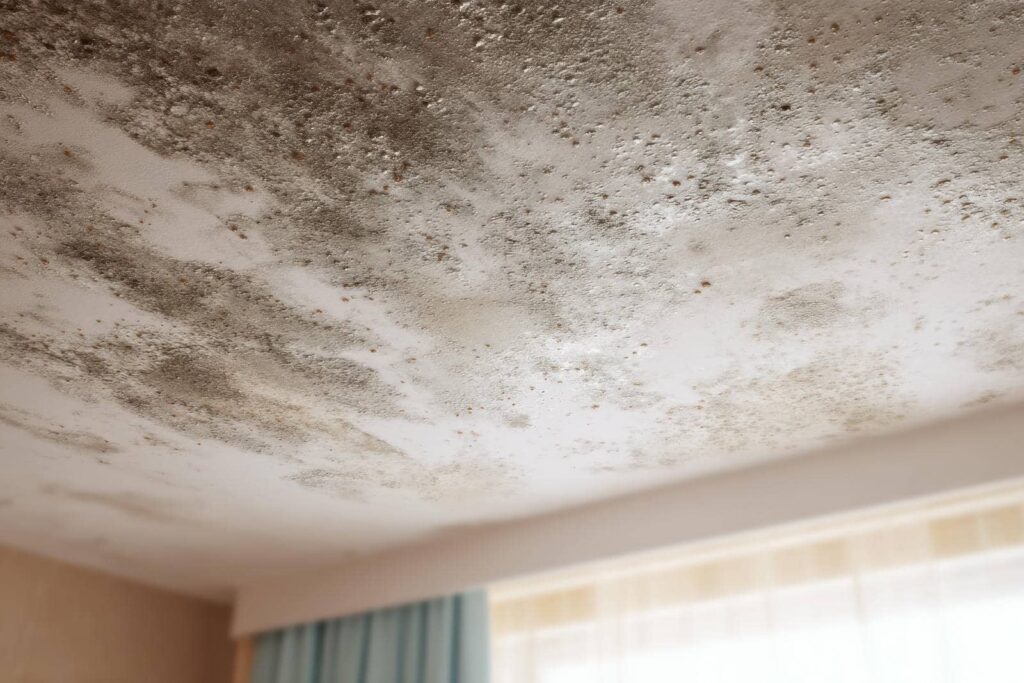
Water damage can be a silent menace, yet mold growth is an immediate threat. Addressing the situation quickly is essential to preventing extensive damage and health risks. You must identify moisture sources and implement effective drying methods. With the right strategies in place, you can markedly reduce mold risks. But what specific techniques should you prioritize to ensure a mold-free environment?
Key Takeaways
- Act quickly to assess and address water damage, removing affected materials to reduce moisture levels and prevent mold growth.
- Use dehumidifiers to maintain humidity levels between 30-60% in affected areas, discouraging mold formation.
- Enhance air circulation by utilizing fans and opening windows to facilitate drying and reduce dampness.
- Apply mold-resistant paints and antimicrobial coatings in high-moisture areas to inhibit mold growth on surfaces.
- Monitor indoor humidity regularly with a hygrometer and conduct routine plumbing inspections to prevent future leaks.
Assessing and Addressing Water Damage Immediately
When you discover water damage, it’s vital to act quickly to prevent mold growth. Start with water source identification; pinpoint where the leak or moisture is coming from. This could be a burst pipe, roof leak, or even humidity from the environment. Once you’ve identified the source, you can address it effectively, stopping further damage.
Next, conduct a thorough damage evaluation. Inspect walls, floors, and any affected materials for signs of moisture. Utilize tools like moisture meters to quantify the extent of the issue. Documenting this damage is essential for insurance claims and future reference.
After evaluating, prioritize immediate actions to mitigate further risks. This might involve removing damaged materials or using fans to promote air circulation.
Thoroughly Dry Affected Areas
To prevent mold growth, thoroughly drying affected areas is essential.
Use dehumidifiers effectively to reduce moisture levels and enhance air circulation by opening windows and utilizing fans.
These steps will help ensure that surfaces dry quickly and minimize the risk of mold development.
Use Dehumidifiers Effectively
Using dehumidifiers effectively is crucial for thoroughly drying affected areas after water damage.
Begin by selecting the right dehumidifier types for your space—portable units work well in smaller areas, while whole-home dehumidifiers offer extensive moisture control.
Position your dehumidifier in the center of the affected area to maximize airflow and efficiency. Set it to the appropriate humidity level, typically around 30-60%, to prevent mold growth.
Monitor the water collection bucket regularly and empty it as necessary to maintain peak performance. Additionally, keep doors and windows closed to enhance moisture extraction.
Improve Air Circulation
Improving air circulation is essential for thoroughly drying areas affected by water damage, as stagnant air can hinder the evaporation process.
To enhance airflow management, start by opening windows and doors to create a natural breeze. Use fans strategically, directing them towards damp surfaces while ensuring they’re not blowing directly onto the walls.
Implement circulation techniques such as placing box fans in corners to maximize air movement throughout the space. Additionally, consider using exhaust fans in bathrooms or kitchens to expel moisture-laden air.
These steps expedite drying and reduce the risk of mold growth. By actively managing air circulation, you foster a healthier environment and promote a sense of safety and belonging within your home.
Use Dehumidifiers and Fans for Enhanced Drying
As moisture lingers in the aftermath of water damage, employing dehumidifiers and fans becomes vital for effective drying.
Start by strategically placing fans to maximize airflow across wet surfaces. Position them to create a crosswind, enhancing evaporation.
While you’re at it, verify your dehumidifier is set to the right humidity level for peak performance. Regular dehumidifier maintenance, such as checking the filter and emptying the water reservoir, is essential; it helps maintain efficiency and prevents further moisture buildup.
Keep in mind that the combination of dehumidifiers and fans accelerates the drying process, greatly reducing the risk of mold growth.
Monitor the drying progress, adjusting fan placement as needed to target particularly damp areas.
Implement Proper Ventilation Techniques
To effectively prevent mold growth after water damage, you need to implement proper ventilation techniques.
Utilize exhaust fans to remove moisture-laden air and open windows regularly to promote fresh airflow.
These actions help maintain a dry environment, essential for inhibiting mold development.
Utilize Exhaust Fans
While you mightn’t realize it, utilizing exhaust fans effectively can greatly reduce humidity levels in areas prone to mold growth after water damage.
To maximize ventilation efficiency, focus on strategic exhaust fan placement in high-moisture areas like bathrooms and kitchens. Ascertain that these fans are properly sized and maintained to handle the volume of air needed for effective moisture removal.
Run them during and after activities that generate humidity, such as showering or cooking. This proactive approach helps prevent mold and creates a healthier indoor environment.
Open Windows Regularly
In addition to utilizing exhaust fans, regularly opening windows can greatly enhance indoor air circulation and reduce humidity levels.
This practice allows for natural ventilation, creating a flow of fresh air that helps to prevent mold growth after water damage.
Make it a habit to open windows during dry, breezy days, as this will efficiently exchange stale indoor air with cleaner outdoor air.
Ascertain that you target high-humidity areas, such as kitchens and bathrooms, to maximize effectiveness.
Remember, the goal is to keep moisture at bay, so don’t overlook this simple yet powerful technique.
Apply Mold-Resistant Products
Applying mold-resistant products is essential for safeguarding your space after water damage. By using mold-resistant paints, you can create a barrier that inhibits mold growth on walls and ceilings. These specialized paints contain antimicrobial properties that protect the surface and enhance the overall appearance of your rooms.
In addition to paints, consider applying antimicrobial coatings to surfaces that are prone to moisture, such as bathrooms and kitchens. These coatings actively prevent mold spores from settling and flourishing, ensuring a healthier environment for you and your loved ones.
When selecting these products, look for those specifically designed for high-moisture areas to maximize their efficacy.
Applying mold-resistant products is a proactive step toward maintaining a safe, clean, and welcoming home. By investing time and effort into these solutions, you’ll foster a space where everyone feels comfortable and secure.
Regularly Inspect and Maintain Plumbing Systems
To effectively prevent mold growth after water damage, regularly inspecting and maintaining your plumbing systems is essential.
Start by conducting routine leak detection to identify any hidden leaks that could lead to moisture accumulation. Even minor leaks can foster mold growth if left unaddressed.
Ensure that your pipe insulation is intact and functioning properly. Insulation helps regulate temperature and prevents condensation, which can contribute to mold development. If you notice any signs of wear or damage, replace the insulation promptly.
Also, schedule professional inspections at least once a year to catch issues early and maintain ideal plumbing performance.
By taking these proactive steps, you’ll protect your home and create a healthier living environment for everyone.
Monitor Indoor Humidity Levels
After verifying your plumbing systems are in good condition, keeping an eye on indoor humidity levels becomes essential in preventing mold growth. High humidity can create an ideal breeding ground for mold, so effective humidity control is key.
Use a hygrometer to monitor moisture levels in your home. Ideally, you want to keep indoor humidity between 30% and 60%.
If you notice levels exceeding this range, consider using dehumidifiers to manage excess moisture. Maintain proper ventilation in areas prone to dampness, like bathrooms and kitchens, to facilitate moisture monitoring.
Regularly check your windows and doors for leaks, as these can introduce unwanted humidity. Additionally, using exhaust fans during cooking or showering can greatly reduce humidity levels.
Frequently Asked Questions
Can Mold Grow in Hidden Areas After Water Damage?
Yes, hidden mold can grow after water damage if moisture persists in concealed areas. It’s essential to thoroughly inspect and dry all affected spaces, ensuring you eliminate any potential breeding grounds for mold growth.
How Long Does It Take for Mold to Develop?
Mold is like a sneaky thief; it can develop within 24 to 48 hours after water exposure. Humidity levels above 60% accelerate the mold growth timeline, so keep your environment dry to prevent infestations.
What Are the Health Risks Associated With Mold Exposure?
Mold exposure can cause various health effects, including allergic reactions like sneezing, itching, and respiratory issues. If you’re sensitive, it’s vital to address mold promptly to protect your health and well-being.
How Can I Tell if Mold Is Present?
You can tell if mold is present by using mold detection methods and observing signs of mold, like musty odors, visible growth, or water stains. Don’t dismiss your concerns; addressing them early is essential for health.
Do I Need Professionals to Remove Mold?
Yes, you’ll need professional services for effective mold removal. Experts have the right tools and knowledge to safely eliminate mold and prevent it from returning, ensuring your space stays healthy and comfortable for you and your loved ones.
Wrap-Up
By taking swift action after water damage, you’re not just shutting the door on mold; you’re building a fortress against it. Think of each dehumidifier and fan as a vigilant guard, tirelessly working to keep humidity at bay. With regular plumbing checks and the right mold-resistant products, you’re planting seeds of prevention that will flourish into a healthier home. Stay proactive, and you’ll cultivate an environment where mold fears to tread, ensuring your space remains a sanctuary.
Recent Posts
10 Essential Tips for Basement Water Mitigation
Picture a dark, damp basement where water seeps through the walls, creating a breeding ground
Top Basement Water Mitigation Strategies for Homeowners
Imagine stepping into your basement and noticing damp spots creeping across the floor or that
What Are Effective Basement Water Mitigation Techniques?
When dealing with basement water issues, it is crucial to understand the various causes behind