
Contents
Removing mold after water damage is like maneuvering through a complex maze—each turn requires careful consideration. You need to start by evaluating the extent of the mold growth in your space. But before you plunge into the cleaning process, it’s essential to ensure your safety and prepare the environment properly. Understanding the right steps can make a significant difference in effectively combating mold and preventing its return. What comes next might surprise you.
Key Takeaways
- Conduct a thorough visual inspection of affected areas to identify mold growth and document findings for remediation.
- Ensure safety by wearing PPE, including gloves, goggles, and an N95 respirator mask, before starting the cleanup.
- Enhance air circulation by opening windows, using fans, and removing soaked materials to prevent mold proliferation.
- Clean moldy surfaces using eco-friendly solutions like vinegar or baking soda, allowing time for the cleaner to work effectively.
- Monitor humidity levels with a hygrometer and use dehumidifiers to maintain optimal conditions below 60% to inhibit future mold growth.
Assessing the Extent of Mold Growth
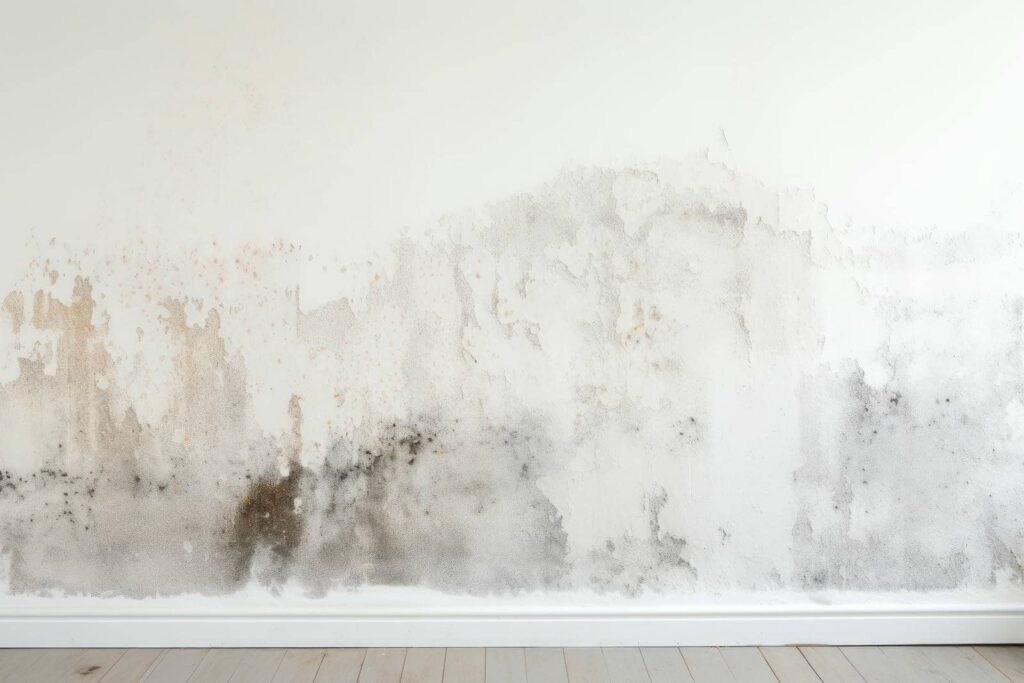
When dealing with mold after water damage, it’s important to evaluate the extent of growth promptly. Start by employing mold identification techniques that help you recognize various types of mold. Look for discoloration, fuzzy textures, or musty odors, as these are clear indicators of mold presence.
Next, utilize visual inspection methods to thoroughly examine affected areas. Inspect walls, ceilings, and hidden spaces like behind appliances or beneath carpets. Pay attention to moisture levels, as damp environments foster mold growth. Use a flashlight to illuminate dark corners and better spot any hidden colonies.
Document your findings, noting the size and location of the affected areas. This information will be significant for determining the appropriate remediation strategy.
Ensuring Safety Precautions
After evaluating the extent of mold growth, prioritizing safety precautions is crucial before you begin any remediation efforts.
Start by equipping yourself with personal protective equipment (PPE). This includes gloves, goggles, and an N95 respirator mask to shield yourself from inhaling mold spores.
Next, ensure proper ventilation in the affected area. Open windows and doors to create airflow, reducing the concentration of airborne contaminants. If possible, use fans to enhance circulation, directing air outside.
Before starting the cleanup, remove any unnecessary items from the area to minimize exposure.
It’s also critical to inform others about your activities, as mold spores can affect health, particularly for individuals with respiratory issues.
Drying Affected Areas
To effectively combat mold growth, drying the affected areas promptly is essential. You need to focus on moisture control to prevent mold from taking hold.
Here are the key steps to ensure proper drying:
- Enhance air circulation: Open windows and doors to allow fresh air in. Use fans to boost airflow in damp areas.
- Remove soaked materials: Take out carpets, rugs, or furniture that have absorbed water. This helps reduce moisture levels quickly.
- Monitor humidity levels: Keep an eye on the humidity in your home. Aim for a level below 60% to inhibit mold growth.
Using Dehumidifiers Effectively
Once you’ve dried the affected areas, using dehumidifiers effectively can further reduce moisture levels and inhibit mold growth.
Start by choosing the right dehumidifier settings based on the humidity level in your space. Aim for a humidity level of 30-60% for ideal moisture control. If your environment remains damp, set the dehumidifier to run continuously until the humidity stabilizes.
Place the dehumidifier in the central area of the affected space for maximum airflow. Verify windows and doors are closed to prevent outside moisture from entering.
Regularly empty the water reservoir, or select a model with a continuous drainage option for convenience. Monitor the humidity levels with a hygrometer to make adjustments as needed.
Cleaning Moldy Surfaces
Before you start cleaning moldy surfaces, prioritize your safety by wearing appropriate protective gear, such as gloves and masks.
Once you’re protected, choose effective cleaning solutions that can eliminate mold without damaging the underlying materials.
Understanding these steps ensures a thorough and safe mold removal process.
Safety Precautions First
As you prepare to clean moldy surfaces, it’s essential to prioritize your safety. Mold can negatively impact your health, so taking precautions is vital. Don’t underestimate the importance of protective gear before you start the cleaning process.
Here are some key safety measures to follow:
- Wear a mask: Use an N95 respirator to filter out mold spores.
- Protect your skin: Don long sleeves, gloves, and goggles to avoid direct contact with mold.
- Ensure ventilation: Open windows and doors to improve air circulation, reducing inhalation of mold particles.
Effective Cleaning Solutions
With safety measures in place, you can effectively tackle the mold on affected surfaces.
Start your mold removal process with eco-friendly solutions like vinegar or baking soda. Mix equal parts of vinegar and water in a spray bottle and apply it directly to the mold. Let it sit for at least an hour before scrubbing with a brush.
For tougher spots, create a paste using baking soda and water, applying it to the area and scrubbing afterward. Rinse with clean water to remove any residue.
Always ensure proper ventilation while cleaning to minimize exposure. Remember, consistency is key; check for any lingering mold and repeat the process as necessary to maintain a healthy environment.
Preventing Future Mold Growth
To prevent future mold growth, you need to control humidity levels in your home, ideally keeping them between 30% and 60%.
Regular cleaning maintenance can also help eliminate potential mold spores before they take root.
Implementing these strategies will greatly reduce the risk of mold reappearing after water damage.
Control Humidity Levels
Controlling humidity levels is essential for preventing future mold growth in areas affected by water damage. By implementing effective humidity control measures, you can create an environment that discourages mold development.
Here are some key strategies to keep in mind:
- Use dehumidifiers: These devices help reduce excess moisture in the air, maintaining ideal humidity levels.
- Ventilation: Ensure proper airflow in your home by using exhaust fans in bathrooms and kitchens, and opening windows when the weather permits.
- Moisture monitoring: Invest in hygrometers to regularly track humidity levels, allowing you to take action before conditions become conducive to mold growth.
Regular Cleaning Maintenance
Maintaining a regular cleaning schedule is essential for preventing future mold growth in areas previously affected by water damage. Implementing effective mold prevention strategies can greatly reduce the risk of recurrence.
Focus on cleaning high-risk areas, such as bathrooms and basements, using mold-resistant products. During your routine inspections, check for dampness, leaks, or discoloration, as these are early signs of mold development.
Don’t forget to clean your HVAC systems and change filters regularly to ensure proper airflow. Additionally, consider using dehumidifiers to keep humidity levels in check.
Frequently Asked Questions
How Long Does It Take for Mold to Grow After Water Damage?
Mold can start growing within 24 to 48 hours after water damage, depending on water damage factors like temperature and humidity. Understanding the mold growth timeline helps you act quickly to mitigate potential health risks.
Can Mold Be Removed Without Professional Help?
Yes, you can remove mold without professional help through DIY mold removal techniques. However, make certain you follow safety guidelines and practice home mold prevention to effectively eliminate mold and prevent future growth.
What Are the Health Effects of Mold Exposure?
Mold exposure can cause mold allergies and respiratory issues, leading to symptoms like coughing, sneezing, and difficulty breathing. It’s essential to address mold promptly to protect your health and maintain a safe living environment.
Is Bleach Effective for Killing Mold?
Bleach can kill mold, but it doesn’t penetrate porous surfaces effectively. Instead, consider bleach alternatives for deeper cleaning and mold prevention. A thorough approach ensures long-term solutions and a healthier environment for you and your loved ones.
When Should I Call a Professional Mold Remediation Service?
You should call a professional mold remediation service if you notice extensive mold growth, persistent odors, or health issues. A professional assessment ensures proper identification and removal, preventing further damage and safeguarding your health and home.
Final Thoughts
By following these steps, you can effectively remove mold and safeguard your home. Notably, some studies suggest that using natural solutions like vinegar can kill up to 82% of mold species, making them a viable option for eco-conscious homeowners. Remember, maintaining low humidity levels and proper ventilation is essential in preventing future growth.
Recent Posts
5 Best Mold Remediation Techniques for Basements
If you’re dealing with mold in your basement, it’s important to understand the best mold
What Are Quick Tips for Basement Water Cleanup?
When dealing with basement water cleanup, it’s essential to act quickly and safely. Start by
Essential Tips for Emergency Basement Water Cleanup
When facing water intrusion in your basement, acting swiftly is essential. First, assess the situation