
Contents
Imagine your home as a well-tuned engine; just one leak can cause a cascade of problems, including mold growth after water damage. Rapid response is vital to prevent this issue from spiraling out of control. You’ll need to assess the extent of the mold, guarantee safety before starting, and consider effective removal solutions. But how do you maintain a mold-free environment once the immediate threat is dealt with? Let’s explore the essential techniques.
Key Takeaways
- Identify and eliminate the moisture source immediately to prevent mold growth after water damage.
- Use dehumidifiers to maintain humidity levels below 50% for effective drying.
- Increase airflow with fans and heat sources to speed up evaporation in affected areas.
- Apply eco-friendly cleaning solutions like vinegar or hydrogen peroxide for rapid mold removal.
- Conduct thorough inspections post-removal to ensure all moisture and spores are eliminated.
Assessing the Extent of Mold Growth
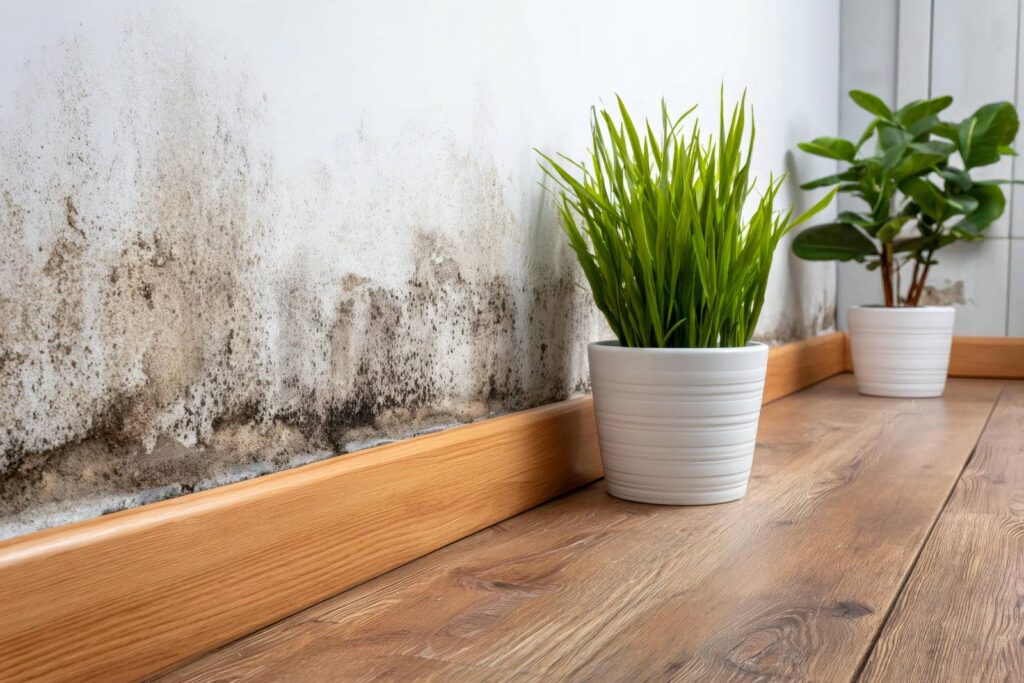
How can you effectively assess the extent of mold growth in your home? Start by employing reliable mold detection methods, such as visual inspections. Look for discoloration, musty odors, or water stains on walls and ceilings.
You might also consider using moisture meters to measure humidity levels, as mold thrives in damp environments.
Growth assessment techniques can include air sampling, which captures mold spores in the air for laboratory analysis. This provides a clearer picture of hidden mold issues.
Additionally, surface sampling with swabs or tapes can help identify mold types present.
Don’t overlook the importance of checking behind appliances and within wall cavities, where mold often hides.
Safety Precautions Before Starting Mold Removal
Before you start mold removal, it’s essential to prioritize safety.
Equip yourself with proper personal protective equipment, guarantee adequate ventilation to minimize airborne spores, and implement containment measures to prevent cross-contamination.
Taking these precautions will safeguard your health and streamline the removal process.
Personal Protective Equipment
When tackling mold removal, prioritizing personal protective equipment (PPE) is essential to safeguard your health.
Wearing the right mold safety attire protects you from harmful spores and irritants that can cause respiratory issues and skin reactions.
Here’s a quick list of must-have personal protective gear:
- N95 respirator mask: This filter keeps airborne mold spores out, ensuring you breathe safely.
- Gloves: Choose nitrile or rubber gloves to shield your skin from direct contact with mold.
- Goggles: These prevent mold particles from irritating your eyes during the removal process.
Ventilation and Airflow
Maintaining proper ventilation and airflow is crucial for creating a safe environment before you start mold removal.
You’ll want to maximize air circulation by opening windows and doors to allow fresh air to flow through the affected area. If possible, use fans to enhance airflow, directing them toward windows to push contaminated air outside.
Check your ventilation systems to verify they’re functioning correctly, as they can help remove airborne spores and toxins. Consider using air purifiers equipped with HEPA filters to capture mold particles effectively.
Maintaining a well-ventilated space not only reduces the concentration of mold spores but also helps protect your health during the removal process, making it a crucial step in verifying safety for you and others.
Containment Measures Required
To effectively contain mold during the removal process, you need to establish barriers that prevent spores from spreading to uncontaminated areas.
Implementing proper mold containment strategies is essential for protecting your home and health. Start by creating temporary barriers using plastic sheeting to isolate the contaminated zone.
- Seal all windows and doors to minimize airflow.
- Use tape to secure the edges of the plastic sheeting for an airtight fit.
- Consider utilizing airlocks for entry and exit points to further control spore movement.
Effective Mold Removal Solutions
Although mold can pose serious health risks and structural damage to your home, effective removal solutions are available to tackle this persistent issue. You’ll want to start by identifying the source of moisture, as eliminating this is essential for successful mold remediation.
Use eco-friendly solutions like vinegar or hydrogen peroxide to clean affected areas. These substances aren’t only effective but also safe for your family and pets.
Once you’ve treated the visible mold, implement mold prevention strategies to avoid future infestations. Guarantee proper ventilation in damp areas like basements and bathrooms, and consider using dehumidifiers to maintain ideal humidity levels.
Regularly inspect your home for leaks or condensation, and promptly address any issues. By adopting these methods, you’ll not only remove existing mold but also create a healthier living environment, fostering a sense of belonging and safety in your home.
Utilizing HEPA Filters for Air Purification
HEPA filters are crucial for trapping airborne particles, including mold spores, ensuring cleaner air in your environment.
By understanding their functionality and the importance of maintaining air quality, you can greatly reduce the risks associated with mold exposure.
Regular maintenance of your HEPA system will enhance its efficiency and prolong its lifespan, making it an essential tool in your mold removal strategy.
HEPA Filter Functionality Explained
Air quality greatly impacts health, making the use of HEPA filters vital for effective air purification. HEPA filters trap 99.97% of airborne particles, guaranteeing cleaner air in your home.
There are several HEPA filter types, including true HEPA, HEPA-type, and HEPA-like filters, each with varying efficiency levels.
For peak performance, regular HEPA filter maintenance is important. Here are some key points to take into account:
- Replace filters according to manufacturer guidelines to maintain efficiency.
- Clean pre-filters regularly to extend the life of your HEPA filter.
- Inspect filters for damage or wear to guarantee maximum air quality.
Importance of Air Quality
Maintaining high air quality is essential for overall health and well-being, especially in indoor environments where pollutants can accumulate. Airborne contaminants, such as mold spores, dust, and volatile organic compounds, can markedly impact your respiratory health and overall comfort.
By utilizing HEPA filters in your air purification systems, you effectively capture these indoor pollutants, ensuring cleaner air circulation. HEPA filters can remove up to 99.97% of particles as small as 0.3 microns, making them vital for reducing allergens and irritants.
This not only fosters a healthier living environment but also promotes a sense of safety and belonging among household members. Investing in air quality is more than just a necessity; it’s a commitment to creating a healthier, more inviting home.
Maintenance for Optimal Efficiency
While ensuring your home remains a safe haven, effectively maintaining your HEPA filters is essential for ideal air purification efficiency.
Regular preventive maintenance and routine inspections are key to keeping your filters functioning at their best. Here’s how you can enhance their performance:
Replace filters regularly: Depending on usage, change your HEPA filters every 6 to 12 months.
Check for clogs: Inspect filters for debris buildup or blockages that may restrict airflow.
Clean filter housings: Wipe down the areas surrounding the filters to remove dust and mold spores.
Applying Antimicrobial Treatments
To effectively combat mold growth, applying antimicrobial treatments is fundamental after initial removal efforts.
You’ll want to choose appropriate antimicrobial agents, such as quaternary ammonium compounds or hydrogen peroxide, which are effective against a wide range of mold spores.
When it comes to application methods, consider using a spray bottle for even coverage on surfaces. Confirm the area is well-ventilated, and always wear protective gear to safeguard your health.
For porous materials, like drywall, you may need to use a foam application to penetrate deeper.
It’s imperative to follow the manufacturer’s instructions regarding concentration and dwell time to maximize efficacy.
Once applied, allow the antimicrobial solution to dry completely to create a mold-resistant barrier.
Consistent application after water damage is essential, as it not only eradicates existing spores but also helps prevent future infestations.
Taking these steps fosters a safe environment, reinforcing your commitment to effective mold management.
Drying Techniques to Prevent Future Mold
Effective drying techniques are essential in preventing future mold growth, especially after water damage incidents. By implementing proper moisture control methods, you can greatly reduce the risk of mold returning.
Start by using a dehumidifier to extract excess moisture from the air, ensuring that humidity levels stay below 50%.
Here are key drying techniques to take into account:
Increase Airflow: Use fans to circulate air, helping surfaces dry faster.
Heat Sources: If safe, apply heat to damp areas, as warmer air holds more moisture and speeds up evaporation.
Targeted Drying: Focus on wet materials like carpets or drywall, as they can retain moisture and foster mold growth.
Post-Removal Inspection and Monitoring
After removing mold, thorough post-removal inspection and monitoring are essential to guarantee that the problem doesn’t return.
Start with a post removal assessment to identify any remaining spores or moisture in the area. Use a moisture meter to check for dampness in walls and structures, as mold thrives in humid conditions.
Next, establish a routine for ongoing monitoring. Regularly inspect the previously affected areas for signs of mold re-growth, such as discoloration or a musty smell.
It’s also wise to maintain ideal humidity levels in your home—ideally between 30-50%—to discourage mold development.
Consider placing dehumidifiers in vulnerable areas, like basements or bathrooms, to further reduce moisture.
Professional Help: When to Call an Expert
Even with diligent post-removal inspection and monitoring, some mold problems can be too extensive or persistent for DIY solutions.
If you encounter severe mold growth or notice recurring issues, it’s time to call in mold specialists. They possess advanced equipment and expertise to effectively tackle extensive infestations.
Consider reaching out to professionals in these scenarios:
- You find mold in hidden areas, like behind walls or under flooring.
- You experience health symptoms related to mold exposure, such as respiratory issues.
- There’s water damage that requires emergency services to prevent further mold growth.
Frequently Asked Questions
How Long Does It Typically Take for Mold to Grow After Water Damage?
Mold growth typically starts within 24 to 48 hours after water damage. Understanding the mold growth timeline is essential, as quick action can mitigate water damage effects and prevent further complications in your living space.
Can I Remove Mold Without Professional Help if It’s Small?
Yes, you can remove small mold infestations using DIY mold solutions. Effective mold removal techniques include using vinegar, baking soda, or hydrogen peroxide. Guarantee proper ventilation and protective gear while working to keep yourself safe during the process.
What Are the Signs of Hidden Mold in My Home?
About 30% of homes harbor hidden mold. You’ll notice mold symptoms like musty odors, unexplained respiratory issues, or visible discoloration on walls. Regular checks can help you catch these signs before they escalate.
Is Black Mold More Dangerous Than Other Types of Mold?
Yes, black mold poses greater health risks than other molds. It can lead to respiratory issues, allergic reactions, and long-term health complications. You should address any presence of it in your home quickly and thoroughly.
How Can I Prevent Future Water Damage and Mold Growth?
To prevent persistent problems, prioritize proper waterproofing methods and practice effective humidity control. Seal leaks, use dehumidifiers, and guarantee good ventilation. These steps safeguard your space and promote a healthy, harmonious home environment for everyone.
To Sum up
In the aftermath of water damage, envision your space reborn—dry, fresh, and free from the shadows of mold. By promptly addressing moisture sources and employing effective removal techniques, you create a sanctuary where mold can’t thrive. Regular inspections act as vigilant guardians, ensuring your environment remains pristine. If the battle against mold feels overwhelming, don’t hesitate to call in professionals, bringing their expertise to restore your home to a safe, healthy haven.
Recent Posts
3 Tips for Safe Black Mold Removal
Removing black mold can be crucial for your health, yet it’s often underestimated. To tackle
7 Steps to Remove Black Mold After Water Damage
Black mold can pose serious health risks and often stems from water damage that’s been
Effective Black Mold Removal After Water Damage
After experiencing water damage, addressing black mold is vital for your health and property. Mold