
Contents
Imagine traversing a dense forest, where every turn reveals new challenges—much like the complexities of filing mold removal insurance claims after water damage. Many homeowners discover that while their policies cover sudden water incidents, the fine print often obscures mold remediation costs. Understanding what your coverage entails can make a significant difference. So, how do you effectively approach these claims to ensure you’re protected?
Key Takeaways
- Homeowners insurance may cover mold remediation, but coverage varies; check your policy for specific limitations and requirements.
- Document all damage with clear photographs and detailed inventories to support your insurance claim effectively.
- Promptly report mold damage to your insurer to avoid claim denial; timely action is crucial for successful claims.
- Engage professional mold assessors to provide thorough documentation, strengthening your case when filing claims.
- Understand your policy’s exclusions regarding mold damage and maintain organized records to facilitate smoother interactions with your insurance company.
Understanding Water Damage and Mold Growth
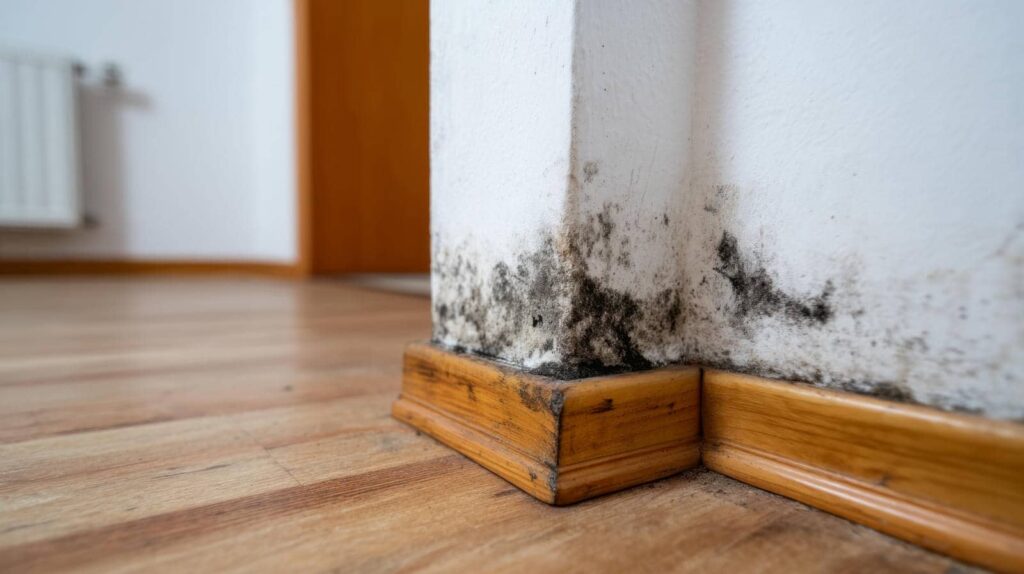
When you experience water damage in your home, it creates an ideal environment for mold growth, especially if the affected areas aren’t dried quickly. Various water sources, such as leaky roofs, burst pipes, or flooding, can introduce moisture that encourages mold proliferation.
Different mold types thrive under these conditions, including Aspergillus, Penicillium, and Stachybotrys, each presenting unique challenges for remediation.
You must act swiftly to mitigate the risk of mold development. The longer the moisture persists, the more likely you’ll face extensive damage and potential health hazards.
Identifying and addressing the source of water intrusion is essential, as it prevents future occurrences. In addition, understanding mold growth patterns can help you recognize signs of infestation early, allowing for timely intervention.
Being proactive protects your home and fosters a sense of community as you share knowledge with others facing similar issues.
Types of Insurance Coverage for Water Damage
Understanding the types of insurance coverage available for water damage is essential, as it can greatly impact your ability to recover from such incidents.
Generally, homeowners’ insurance covers sudden and accidental water damage, like burst pipes or heavy rain. However, it often excludes damage from flooding, which requires separate flood insurance.
If you face mold issues due to water damage, your policy may cover mold remediation costs, but this varies considerably by provider. Some plans have limits on mold-related claims, emphasizing the importance of reviewing your specific coverage details.
Additionally, consider a rider or endorsement for enhanced protection, especially if you live in a flood-prone area.
Steps to Take After Water Damage Occurs
As water damage occurs, it’s vital to act swiftly to minimize potential harm and address the situation effectively.
First, make sure of your safety; turn off the electricity and avoid standing water. Next, identify the source of the water and stop it if possible. Once you’ve done that, begin removing excess water using mops or a wet/dry vacuum.
It’s important to dry the affected area thoroughly within 24 to 48 hours to prevent mold growth. Open windows, use fans, and consider a dehumidifier for better air circulation.
Remove wet materials like carpets and curtains, as they can foster mold development.
Inspect areas for hidden moisture, such as walls and ceilings, and document any visible damage for future reference.
Taking these steps mitigates immediate damage and supports mold prevention, making certain your home remains safe and healthy.
Documenting Damage for Insurance Claims
When filing an insurance claim for mold removal, documenting the damage is essential.
Start by taking clear photographs of the affected areas and creating a detailed inventory of damaged items.
Additionally, obtaining a professional assessment can provide the necessary documentation to support your claim.
Photographic Evidence Importance
While documenting damage for insurance claims, photographic evidence plays an essential role in substantiating your case. Quality photographic documentation provides clear visual evidence of the extent of the damage, which can be vital for your claim’s approval.
When taking photos, make sure you capture the affected areas from multiple angles, showing the full scope of the problem. Include close-ups to highlight specific issues like mold growth or water damage. This thorough approach helps insurance adjusters understand the severity of your situation.
In addition, timestamps on photos can reinforce the timeline of events, enhancing the credibility of your claim. By meticulously documenting every detail, you strengthen your position and increase the likelihood of a successful insurance resolution.
Inventory of Damaged Items
After capturing photographic evidence, the next step in documenting your mold-related damage involves creating a detailed inventory of affected items.
Start by developing an inventory checklist that includes each damaged item, its description, and location. Be thorough; noting the age and condition of each piece can aid in accurate item valuation.
Include high-value items and sentimental belongings, as these can greatly impact your claim. For items that are repairable, document the cost of repairs alongside their original purchase price.
This extensive inventory strengthens your insurance claim and ensures you don’t overlook any major losses. A well-documented list will facilitate smoother communication with your insurer and help you regain your sense of belonging after the damage.
Professional Assessment Documentation
To ensure your mold-related insurance claim is strong, obtaining a professional assessment of the damage is essential. This assessment should include thorough mold testing and detailed documentation to support your claim.
Here’s what you should look for:
Visual Inspection: Professionals examine affected areas for visible signs of mold and moisture.
Mold Testing: Samples are taken to identify the type and extent of mold present.
Remediation Strategies: Experts outline necessary steps to safely remove the mold and prevent future growth.
Detailed Report: A complete document summarizing findings, recommendations, and estimated costs is provided.
Having this thorough documentation will strengthen your claim and ensure you receive the necessary support during the remediation process.
The Mold Removal Process and Its Costs
Understanding the mold removal process is vital for homeowners facing this pervasive issue, as it involves several important steps and associated costs.
First, a thorough inspection identifies the extent of the mold infestation, guiding the selection of appropriate mold remediation techniques. These techniques can range from simple cleaning to complete removal of affected materials, depending on the severity of the problem.
Next, containment measures are implemented to prevent mold spores from spreading during the removal process.
Afterward, professionals will safely eliminate the mold and address the source of moisture.
Finally, the area undergoes thorough cleaning and drying to ensure no remnants remain.
Cost estimation for mold removal varies widely based on factors such as the extent of contamination, the size of the affected area, and the chosen remediation techniques.
On average, homeowners can expect to spend between $500 and $6,000, making understanding these aspects vital for effective management.
Filing an Insurance Claim for Mold Removal
How do you navigate the complexities of filing an insurance claim for mold removal? Understanding the mold remediation process is essential. Here are some insurance claim tips to help you through:
Document Everything: Take photos of the mold and any damage. This visual evidence supports your claim.
Review Your Policy: Check your coverage specifics to know what’s included regarding mold removal.
Get Professional Estimates: Obtain quotes from certified mold remediation specialists. Insurers often require these for claim validation.
File Promptly: Submit your claim as soon as possible to avoid delays. Insurance companies have timelines to adhere to.
Common Challenges in Mold Removal Insurance Claims
When pursuing mold removal insurance claims, you may encounter significant challenges related to policy coverage limitations and stringent documentation requirements.
Understanding your policy’s fine print is essential, as many insurers impose specific exclusions that can hinder your claim.
Additionally, gathering adequate evidence to support your case can be time-consuming and complex, affecting your ability to secure compensation.
Policy Coverage Limitations
While mold can pose significant health risks and cause extensive property damage, many homeowners find themselves maneuvering a complex web of policy coverage limitations when filing insurance claims.
Understanding these limitations is essential to navigate the process effectively. Here are some common challenges you might encounter:
Policy exclusions that specifically deny coverage for mold-related damage.
Claim limits that restrict the amount you can recover for mold remediation.
Minimum coverage requirements that may not fully address extensive mold issues.
Time constraints for reporting mold damage could jeopardize your claim.
Being aware of these limitations can empower you to approach your insurance claim with a clearer strategy, ensuring you’re prepared for potential hurdles.
Documentation and Evidence Requirements
Maneuvering the intricacies of mold removal insurance claims often hinges on the documentation and evidence you provide. Accurate evidence gathering is essential; insurers require detailed records to validate your claim submission.
Start with photographs of the mold damage, ideally with timestamps. Include invoices for mold remediation and any prior water damage repairs. Keep records of communication with your insurance company, including emails and phone call notes.
Additionally, consider obtaining a professional mold assessment report, as this can bolster your case. Remember, thorough documentation strengthens your claim and helps you navigate potential challenges that may arise during the claims process.
Being organized and precise will enhance your chances of a successful resolution.
Frequently Asked Questions
Will My Insurance Cover Mold if It Was Pre-Existing?
Your insurance likely won’t cover pre-existing mold. Prioritize mold inspections and water damage prevention to avoid future issues. Understanding your policy’s specifics can help you navigate claims and protect your home effectively.
How Long Does the Insurance Claim Process Typically Take?
The claim duration typically ranges from a few weeks to several months. Processing timelines depend on your insurer, the complexity of your case, and any required inspections, so stay proactive for updates and information.
Can I Choose My Own Mold Removal Contractor?
Absolutely, you can choose your own mold removal contractor. Weigh your mold removal options carefully, ensuring the contractor’s experience aligns with your needs. This choice empowers you to create a safe, healthy environment for your home.
Does My Deductible Apply to Mold Removal Claims?
Yes, your deductible applies to mold removal claims. Check your policy for specific deductible limits, as mold coverage often varies. Understanding these details helps you navigate costs effectively and ensures you’re prepared for potential expenses.
Are There Specific Mold Types Covered by Insurance?
Most insurance policies cover certain mold types, primarily those resulting from sudden water damage. However, coverage varies, so you should review your policy’s specifics. Understanding these details helps ensure you’re adequately protected against mold-related issues.
Summary
Steering mold removal insurance claims can feel like trying to find a needle in a haystack. By understanding your policy, documenting damage meticulously, and following the right steps, you can enhance your chances of a successful claim. Remember, timely communication with your insurer is key. If you stay proactive and informed, you’ll be better equipped to tackle the complexities of mold-related insurance issues, ensuring your home stays safe and sound.
Recent Posts
What Is 24 Hour Water Damage Cleanup?
If you’re dealing with a water emergency, 24 hour water damage cleanup gives you immediate
Ceiling Leak Mold Inspection Report Guide
If you’re dealing with a ceiling leak, you need to know how mold can develop,
5 Tips for Mold Inspection Reports
When you review a mold inspection report, you need to check more than just the