
Contents
When faced with post-water damage cleanup, you need to act swiftly and efficiently. Start by evaluating the damage to ensure safety, then focus on immediate water extraction to prevent further issues. Once standing water is removed, drying and dehumidification methods become crucial. Mold can develop quickly, so implementing prevention strategies is imperative. You might consider professional restoration services, especially for extensive damage. Understanding these steps is essential to effective recovery, but there’s more to explore.
Key Takeaways
- Identify the source of water intrusion and address it to prevent further damage.
- Utilize pumps and wet/dry vacuums for effective water extraction in affected areas.
- Implement high-capacity dehumidifiers and fans to promote rapid drying.
- Regularly monitor humidity levels and maintain them below 60% to prevent mold growth.
- Seek professional restoration services for extensive damage or mold remediation needs.
Assessing the Damage and Safety Precautions
When you face water damage, evaluating the situation promptly is crucial to ensure safety and effective cleanup.
Start your damage evaluation by identifying the source of water intrusion, as this will determine the next steps. Inspect the affected areas for structural integrity, signs of mold, and any potential hazards.
Make sure to wear appropriate safety gear, including gloves and boots, to protect yourself from contaminants.
As you assess the damage, document everything—take photos and notes to track your progress and share with professionals if needed.
Check for electrical hazards, and if you sense danger, don’t hesitate to turn off the power.
Your goal is to create a safe environment for yourself and anyone assisting.
Immediate Water Extraction Techniques
Once you’ve assessed the damage, it’s time to act quickly to prevent further loss by implementing immediate water extraction techniques.
Start by gathering the right extraction equipment, such as powerful pumps and wet/dry vacuums, to facilitate effective water removal. These tools can greatly reduce standing water, minimizing the risk of mold growth and structural damage.
Begin in the most flooded areas, confirming you prioritize high-risk zones like basements and crawl spaces. For smaller puddles, a wet/dry vacuum can efficiently collect the water, while submersible pumps work best for larger volumes.
Be thorough; even a small amount of moisture can lead to long-term issues.
After extraction, verify you check hidden spaces behind walls and under floors, as trapped water can create severe complications.
Drying and Dehumidification Methods
After successfully extracting the water, the next critical step involves drying and dehumidifying the affected areas to prevent mold growth and further damage.
You can achieve this through several effective methods:
- Use high-capacity dehumidifiers to remove excess moisture.
- Employ fans to enhance airflow and speed up the drying process.
- Implement ventilation techniques to promote air circulation in enclosed spaces.
- Seal any moisture barriers to prevent water vapor from seeping back in.
- Monitor humidity levels regularly to ensure ideal drying conditions.
Mold Prevention and Remediation Strategies
While moisture control is crucial, implementing effective mold prevention and remediation strategies is essential for safeguarding your property and health.
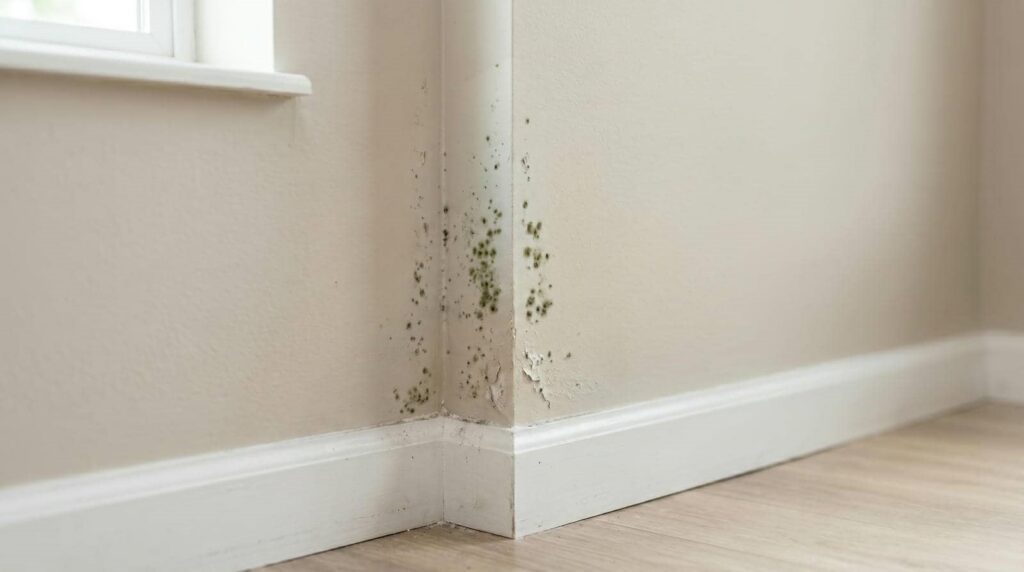
Start by identifying common mold types, such as black mold and Aspergillus, which can thrive in damp environments. Use dehumidifiers to maintain indoor humidity levels below 60%, and ensure proper ventilation in bathrooms and kitchens.
When mold is present, choose appropriate remediation products like specialized sprays or wipes designed to kill mold spores. Always follow the manufacturer’s instructions for effective use.
For extensive infestations, consider sealing porous materials or replacing them entirely to prevent recurrence.
Regularly inspect your property for leaks and water damage, addressing issues immediately to minimize mold growth.
By staying proactive and informed, you can create a healthier living environment and foster a sense of belonging in your space.
Prioritize these strategies to protect both your home and your well-being.
Professional Restoration Services and When to Call
When you face significant water damage, knowing when to call professional restoration services can make all the difference in minimizing long-term effects. Here are some key indicators that it’s time to reach out:
- Extensive flooding affecting multiple rooms
- Visible mold growth or musty odors
- Waterlogged materials that can’t be dried out quickly
- Structural damage, such as sagging ceilings or warped floors
- Difficulty filing insurance claims due to damage assessment
Professional restoration experts bring technical knowledge and equipment essential for effective cleanup. They can help streamline your restoration timeline, ensuring your home is back to normal as quickly as possible.
Additionally, they often assist with insurance claims, making the process smoother and less stressful for you. By acting promptly and involving professionals, you’re taking a proactive step toward safeguarding your home and future.
Frequently Asked Questions
How Can I Prevent Future Water Damage in My Home?
To prevent future water damage, implement moisture control techniques and consider effective drainage solutions. Regularly check gutters and downspouts, seal any cracks, and maintain proper landscaping to direct water away from your foundation.
What Insurance Coverage Is Available for Water Damage?
About 1 in 50 homeowners file water damage claims annually. You’ll want to check your insurance policies for coverage details; standard homeowners insurance often includes water damage, but specific terms and limits vary considerably.
How Long Does the Water Damage Cleanup Process Take?
The water damage timeline typically spans from a few days to several weeks. Restoration duration depends on factors like severity, affected areas, and drying equipment efficiency. Engaging professionals ensures a thorough and timely recovery for your space.
Can I Handle Water Damage Cleanup Myself?
You can tackle water damage cleanup yourself if you’ve got the right water damage tools and a solid plan. Remember, “a stitch in time saves nine.” DIY cleaning takes effort, but it’s rewarding and effective.
What Items Are Salvageable After Water Damage?
You can salvage items like hardwood furniture through restoration, while evaluating electronics for damage. Prioritize drying and cleaning materials promptly, ensuring you examine each piece thoroughly to determine its potential for recovery and continued use.
Wrap-Up
In the aftermath of water damage, acting swiftly is your best ally. By combining immediate water extraction, thorough drying, and mold prevention strategies, you can turn your space from a soggy disaster zone to a safe haven in no time. Remember, when the risks of mold loom like an ominous storm cloud, don’t hesitate to call in the professionals. With their expertise, you can ensure your home is restored and fortified against future threats.
Recent Posts
5 Tips for Mold Inspection After Leaks
A damp stain spreads across the ceiling like a warning signal, and you need to
What to Do After a Ceiling Leak
After a ceiling leak, you need to act fast to limit damage and reduce repair
Why Choose 24/7 Pipe Leak Cleanup
Does immediate 24/7 pipe leak cleanup really reduce total water damage, or does the timing