
Contents
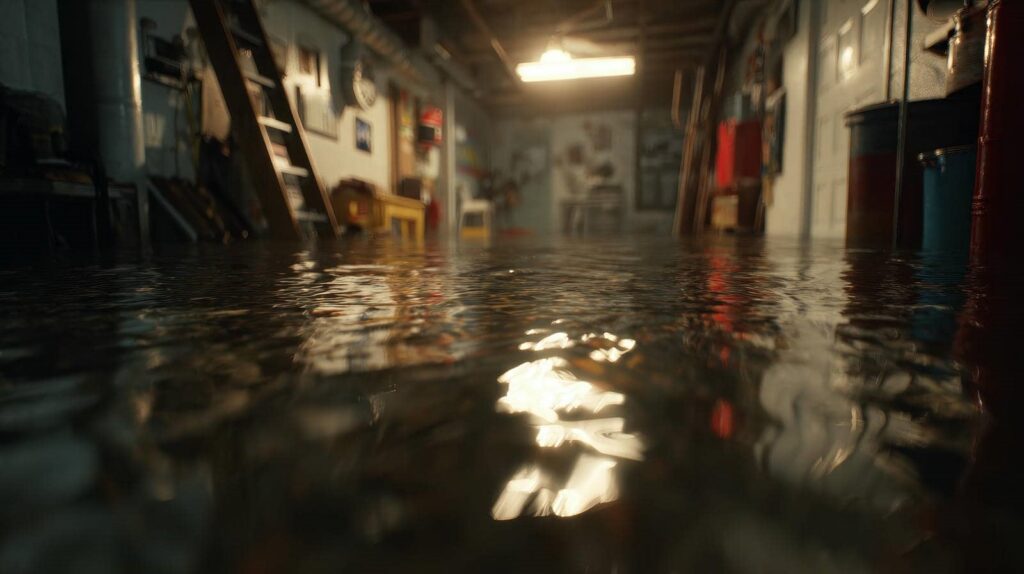
Imagine stepping into your flooded basement, water sloshing around your ankles, the air thick with dampness and potential hazards. It’s vital to act quickly and safely to tackle this overwhelming situation. With the right approach, you can effectively restore your space and prevent future issues. Understanding how to assess the damage and implement proper cleanup techniques can make all the difference. Let’s explore the essential steps you need to take.
Key Takeaways
- Ensure safety first by turning off electricity and wearing protective gear like gloves and boots before entering the flooded area.
- Use a sump pump to quickly remove large amounts of water, followed by a wet vac for residual moisture in tight spaces.
- Document all damage with photos for insurance claims and prioritize items for salvage versus disposal based on their condition.
- Implement preventive measures, such as sealing cracks and ensuring proper drainage, to minimize the risk of future flooding.
- Focus on mold prevention by disposing of damp materials and maintaining good ventilation to reduce humidity levels.
Assessing the Damage and Safety Hazards
When you face a flooded basement, it’s essential to assess the damage and identify potential safety hazards before jumping into cleanup.
Start by turning off the electricity to prevent shocks; water and electricity don’t mix. Next, wear sturdy boots and gloves to protect yourself from sharp objects and contaminants.
Look for structural damage, such as cracks in the walls or sagging ceilings; these could signal serious issues. Document everything with photos for insurance purposes during your damage assessment.
As you evaluate items in the basement, prioritize what can be salvaged versus what needs to be discarded. Mold can develop quickly, so be mindful of damp materials and consider their disposal.
Remember, taking these safety precautions isn’t just about protecting yourself; it’s about ensuring a safe environment for your loved ones as you move forward together in recovery.
You’re not alone in this—many face similar challenges.
Effective Water Removal Techniques
After evaluating the damage and ensuring your safety, it’s time to tackle the water removal process. Start by using a sump pump if the water level is high; it’s efficient and can drain large amounts quickly. Position the pump at the lowest point of your basement and ensure the discharge hose directs water away from your home.
Once the bulk of the water is removed, switch to a wet vac to eliminate residual moisture. This tool is ideal for tighter spaces and can help pick up the last remnants of water.
As you work, wear protective gear, including gloves and boots, to safeguard yourself from contaminants. It’s also wise to ventilate the area to promote drying.
Preventing Future Flooding and Mold Growth
To prevent future flooding and mold growth, it’s essential to address potential vulnerabilities in your home’s structure and systems.
A proactive approach can save you time, money, and stress down the line. Here are some effective strategies to evaluate:
- Install drainage solutions: Verify gutters and downspouts direct water away from your foundation.
- Apply waterproofing techniques: Seal cracks in walls and floors to keep moisture at bay.
- Maintain landscaping: Grade your yard to slope away from your home, minimizing water pooling.
- Regularly inspect plumbing: Check for leaks or clogs that could lead to unexpected water accumulation.
- Use a dehumidifier: Keep humidity levels low to discourage mold growth, particularly in damp areas.
Frequently Asked Questions
What Should I Do With Damaged Electrical Appliances?
You should unplug damaged appliances immediately, ensuring your safety. Don’t attempt to use them until a qualified electrician conducts an electrical inspection. It’s essential to prioritize appliance safety to prevent further hazards or accidents.
How Can I Identify Hidden Mold in My Basement?
“Where there’s smoke, there’s fire.” To identify hidden mold, conduct a moisture assessment using a hygrometer. Look for discoloration, musty odors, and check behind walls. Prioritize mold detection to protect your health and home.
Are There Any Health Risks From Floodwater Exposure?
Yes, floodwater exposure carries health risks from contaminants. You should take health precautions like wearing protective gear and avoiding direct contact. Staying informed helps you protect yourself and your loved ones from potential illnesses.
How Long Does It Take for a Basement to Dry Completely?
A basement can take anywhere from a few days to weeks to dry completely, depending on your drying methods and moisture prevention efforts. Stay patient and take proactive steps to ensure a dry, welcoming space.
When Should I Contact a Professional Restoration Service?
You should contact a professional restoration service immediately after a flood assessment indicates significant damage. They’ll provide a clear restoration timeline, ensuring you can return to a safe, dry space as quickly as possible.
Summary
Swiftly tackling a flooded basement involves safety, strategy, and savvy solutions. Prioritize protective gear and proper power shutdowns to safeguard against hazards. Employ efficient extraction techniques like sump pumps and wet vacs to swiftly remove standing water. Finally, foster a future free from flooding and fungi by ensuring proper ventilation and moisture control. With these essential steps, you’ll transform turmoil into tranquility, ensuring your space is safe and sound once more.
Recent Posts
5 Tips for Mold Inspection After Leaks
A damp stain spreads across the ceiling like a warning signal, and you need to
What to Do After a Ceiling Leak
After a ceiling leak, you need to act fast to limit damage and reduce repair
Why Choose 24/7 Pipe Leak Cleanup
Does immediate 24/7 pipe leak cleanup really reduce total water damage, or does the timing