
Contents
After a flood, mold can quickly become a serious issue. You need to assess the extent of the growth and act promptly. Professionals use specific techniques that involve thorough drying, specialized chemical treatments, and meticulous cleaning. However, understanding how these methods work together is vital for effective professional mold remediation. Let’s break down these essential techniques and explore how they tackle current mold problems and prevent future outbreaks.
Key Takeaways
- Utilize dehumidifiers and fans to effectively dry out affected areas and reduce moisture levels post-flood.
- Implement chemical treatments specifically designed for mold removal, following all safety instructions provided by manufacturers.
- Thoroughly scrub surfaces with appropriate cleaning tools to eradicate any remaining mold spores.
- Discard heavily infested porous materials, such as drywall or carpets, to ensure complete remediation.
- Seal off contaminated areas and establish a negative pressure environment to prevent mold spores from spreading during the remediation process.
Identification and Assessment of Mold Growth
When you’re dealing with the aftermath of a flood, identifying and evaluating mold growth is essential to preventing further damage and health risks.
Start with thorough mold detection by inspecting areas with visible water damage. Look for dark spots or fuzzy growths on surfaces, as these indicate mold presence. Use a moisture meter to conduct a moisture analysis; this tool helps determine the humidity levels in materials like drywall and wood, guiding your next steps.
Pay special attention to basements, attics, and hidden corners where moisture often lingers.
Document your findings meticulously, noting affected areas and moisture levels. This information helps evaluate the extent of mold growth and communicate effectively with professionals if needed.
Containment and Isolation of Affected Areas
After identifying and evaluating mold growth, the next step involves containment and isolation of affected areas to prevent spores from spreading throughout the home.
Start by sealing off the contaminated space using heavy-duty plastic sheeting. This barrier will help maintain air quality and keep mold spores from infiltrating unaffected areas. Be certain to create a negative pressure environment by using fans to exhaust air outside, which further reduces the risk of contamination.
Next, make sure that moisture control measures are in place. Address any leaks or sources of water that could exacerbate mold growth. Use dehumidifiers to maintain low humidity levels, creating an unfriendly environment for mold proliferation.
It’s vital to wear personal protective equipment (PPE) during this process to safeguard your health. By effectively containing and isolating affected areas, you’ll create a safer environment for your family while preparing for the subsequent remediation steps.
Remediation and Removal Techniques
As you move forward with remediation and removal techniques, it’s essential to address mold growth promptly to prevent further damage.
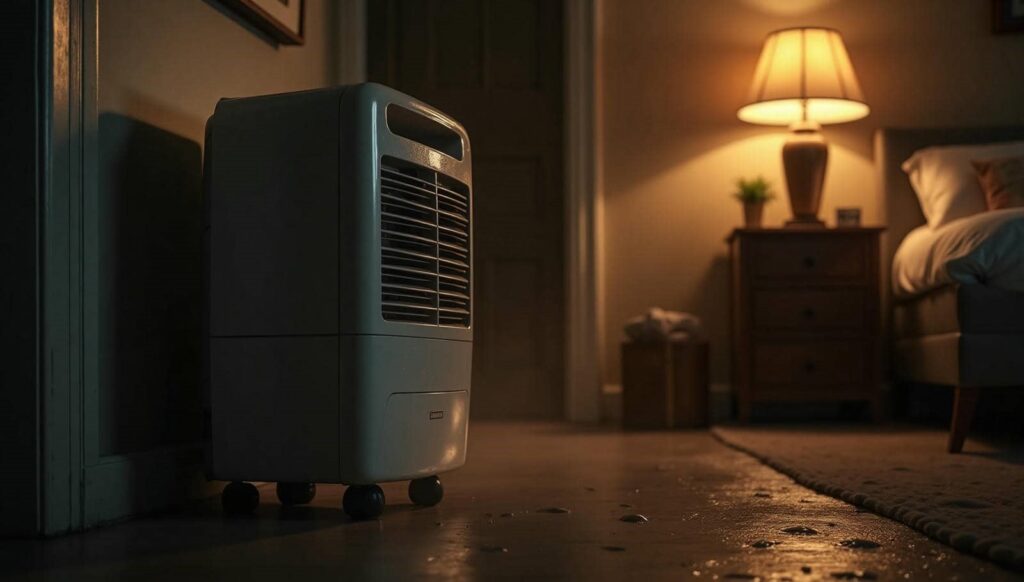
Start by employing effective drying methods, such as dehumidifiers and fans, to reduce moisture levels in affected areas. This step is important, as mold thrives in damp environments.
Next, consider using chemical treatments specifically designed for mold removal. These solutions can penetrate surfaces and eliminate mold spores effectively. Be sure to follow the manufacturer’s instructions carefully to ensure safety and efficacy.
After applying chemical treatments, scrub surfaces with a brush or cloth to remove any remaining mold. For heavily infested porous materials, you may need to discard them entirely to ensure thorough remediation.
Finally, monitor the area for any signs of resurgence, and maintain proper ventilation to deter future mold growth.
Your proactive approach will help create a healthier living environment for everyone.
Frequently Asked Questions
How Can I Prevent Mold Growth After a Flood?
To prevent mold growth after a flood, ensure thorough moisture control by drying affected areas within 24-48 hours, using dehumidifiers, and sealing any leaks. Regularly inspect for dampness during flood recovery to maintain a safe environment.
What Health Risks Are Associated With Mold Exposure?
Imagine a hidden beast lurking in the shadows; mold’s health effects can trigger respiratory issues, allergies, and skin irritations. You may experience mold symptoms like coughing, sneezing, or fatigue if you’re exposed too long.
How Long Does Mold Remediation Take?
Mold remediation typically takes one to five days, depending on the mold growth timeline and remediation factors like the extent of damage, humidity levels, and the materials affected. Your prompt action can greatly expedite the process.
What Equipment Is Used in Professional Mold Remediation?
In professional mold remediation, you’ll use equipment such as air scrubbers to improve air quality and mold testing tools to ensure thorough detection. This precision ensures effective removal, creating a safe environment for you and your loved ones.
Can I Handle Mold Removal Myself?
You can tackle DIY mold removal, but prioritize safety precautions. Wear protective gear, ensure adequate ventilation, and use proper cleaning agents. If the infestation is severe, consider consulting professionals to safeguard your health and home.
Summary
In the aftermath of a flood, tackling mold is essential. Picture a room once damp and dreary, transformed into a dry, fresh space, free from lurking spores. By employing thorough drying methods, powerful chemical treatments, and careful cleaning, you can reclaim your environment. Discarding heavily infested materials might feel intimidating, but it’s a necessary step toward a healthier home. Taking these actions eliminates mold and protects against its unwelcome return, ensuring your sanctuary remains safe and sound.
Recent Posts
5 Best Mold Remediation Techniques for Basements
If you’re dealing with mold in your basement, it’s important to understand the best mold
What Are Quick Tips for Basement Water Cleanup?
When dealing with basement water cleanup, it’s essential to act quickly and safely. Start by
Essential Tips for Emergency Basement Water Cleanup
When facing water intrusion in your basement, acting swiftly is essential. First, assess the situation