
Contents
You might think that moisture issues only arise in specific climates or seasons, but the truth is, they can affect any home at any time. Moisture accumulation poses serious risks, including structural damage and health concerns. Understanding how to effectively manage moisture can greatly impact your living environment. So, what techniques can you implement to safeguard your property and enhance your well-being?
Key Takeaways
- Effective moisture control prevents mold growth, enhancing indoor air quality and protecting health.
- It minimizes the risk of structural damage, preserving the integrity of buildings.
- Proactive moisture management can lead to long-term cost savings on repairs and maintenance.
- Proper techniques increase property value and marketability, making homes more attractive to buyers.
- Maintaining optimal humidity levels fosters a healthier living environment for residents.
Understanding the Risks of Moisture Accumulation
Moisture accumulation poses significant risks to both structures and health, as it can lead to mold growth, structural damage, and a decline in indoor air quality.
You may not realize that condensation effects can contribute to these issues. When warm, moist air meets cooler surfaces, it condenses, creating damp environments ideal for mold proliferation. This threatens your health and also weakens structural integrity over time.
Inadequate moisture control can result in costly repairs due to structural damage, such as rotting wood and rusting metal components.
These dangers aren’t just abstract; they can affect your living conditions and overall well-being. Being proactive about moisture management helps you maintain a safe, comfortable space for yourself and your loved ones.
Understanding these risks empowers you to take necessary actions, fostering a healthier environment that enhances your sense of security and belonging.
Key Techniques for Moisture Control
While you may be aware of the dangers associated with moisture accumulation, implementing effective control techniques is essential for maintaining a safe environment.
Here are some key techniques you can adopt:
Install Ventilation Systems: Proper ventilation helps to circulate air and reduce humidity levels, preventing mold growth and structural damage.
Utilize Humidity Sensors: By monitoring humidity levels, you can take proactive measures when they reach unsafe levels, ensuring timely intervention.
Seal Gaps and Cracks: Inspect your building for any leaks or cracks and seal them to prevent moisture intrusion from outside sources.
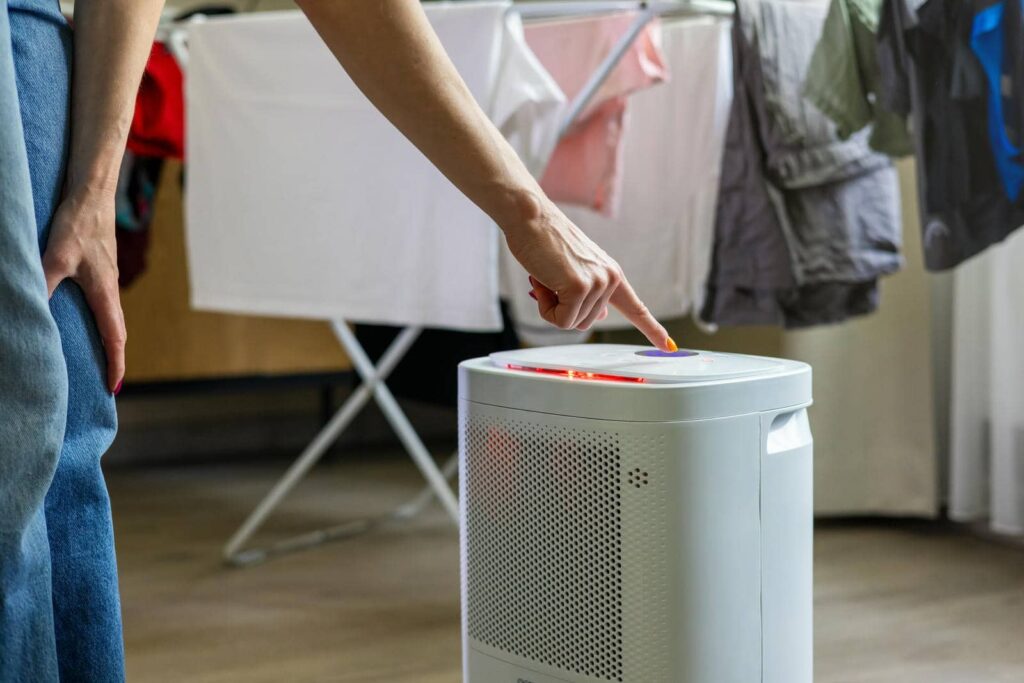
Use Dehumidifiers: In areas prone to high humidity, dehumidifiers can effectively reduce moisture levels, creating a healthier indoor climate.
The Importance of Timely Water Extraction
Timely water extraction is essential for preventing extensive damage and minimizing health risks associated with water accumulation.
When water infiltrates your space, it can lead to significant structural issues and create an environment conducive to harmful bacteria and mold. By employing effective extraction methods promptly, you can alleviate these risks and protect both your property and your well-being.
Using professional-grade equipment, such as pumps and dehumidifiers, ensures that water is removed efficiently.
Preventing Mold Growth Through Effective Management
After addressing water extraction, managing humidity levels becomes essential in preventing mold growth.
When you implement effective mold prevention strategies, you can safeguard your space and ensure a healthier environment.
Here are four key humidity monitoring techniques you should adopt:
Use Hygrometers: Regularly check indoor humidity levels to maintain them between 30-60%.
Install Dehumidifiers: Employ these devices in damp areas like basements to control moisture levels.
Ensure Proper Ventilation: Keep areas like kitchens and bathrooms well-ventilated to reduce humidity accumulation.
Seal Leaks: Identify and repair any leaks in roofs, walls, or plumbing to prevent excess moisture from entering.
Long-term Benefits of Moisture Control Systems
Implementing moisture control systems addresses immediate dampness issues and provides long-term advantages that enhance the overall integrity of your property.
By effectively managing moisture levels, you’ll experience considerable cost savings over time. Reduced repair costs from water damage, mold remediation, and structural repairs mean your budget stays intact.
Moreover, maintaining ideal moisture levels contributes to a healthier living environment, which can be a strong selling point if you decide to put your property on the market.
A well-maintained structure with a robust moisture control system can greatly boost your property value, making it more attractive to potential buyers.
Incorporating these systems fosters a sense of belonging within your community, as you’ll be contributing to the overall health and safety of your neighborhood.
Ultimately, investing in moisture control isn’t just about immediate fixes; it’s about securing your property’s future.
Frequently Asked Questions
How Do I Know if I Have a Moisture Problem?
You can identify a moisture problem by looking for moisture symptoms like mold, musty odors, or water stains. Conduct thorough inspections in basements and attics, checking for leaks, condensation, and dampness to confirm your concerns.
What Tools Are Best for Measuring Indoor Humidity Levels?
To measure indoor humidity levels, use digital hygrometers or analog hygrometers. Humidity sensors can also provide accurate readings. Choose a tool that suits your needs for effective monitoring and maintaining a comfortable environment.
Can Plants Help Control Indoor Moisture Levels?
Absolutely, plants can considerably help control indoor humidity levels. Their natural transpiration process releases moisture into the air, creating a balanced environment. Plus, they bring aesthetic appeal and improve air quality, enhancing your living space’s comfort.
How Often Should I Inspect for Moisture Issues?
You should inspect for moisture issues at least once a month. Establish a consistent inspection schedule to monitor moisture frequency, ensuring you catch potential problems early and maintain a healthy indoor environment for everyone.
What Role Does Ventilation Play in Moisture Control?
Ventilation’s like giving your space a refreshing change; it ensures proper air circulation. By utilizing various ventilation types, you help reduce moisture buildup, creating a healthier environment for everyone.
Summary
Think of your home as a delicate ecosystem, where moisture control acts like a lifeline. Just as a river needs to flow freely without obstruction, your living space requires effective moisture management to thrive. By investing in proper ventilation and addressing leaks promptly, you prevent mold and structural damage, while also fostering a healthier environment. Remember, a well-maintained home is like a well-tended garden—flourishing, resilient, and valuable for years.
Recent Posts
3 Tips for Safe Black Mold Removal
Removing black mold can be crucial for your health, yet it’s often underestimated. To tackle
7 Steps to Remove Black Mold After Water Damage
Black mold can pose serious health risks and often stems from water damage that’s been
Effective Black Mold Removal After Water Damage
After experiencing water damage, addressing black mold is vital for your health and property. Mold