
Contents
A burst pipe can seem minor at first, yet the damage can spread fast through walls, floors, and ceilings. You need prompt water restoration to limit moisture intrusion, reduce mold risk, and protect structural materials before the problem worsens. Professional crews use extraction, drying, and moisture checks to restore the area efficiently, but the full impact often depends on what’s hidden behind the surface.
Key Takeaways
- Fast burst pipe restoration stops water spread and reduces structural damage, mold risk, and secondary repairs.
- Professional teams extract standing water quickly using specialized equipment and moisture detection tools.
- Thorough drying and inspection protect drywall, flooring, insulation, and hidden cavities from lingering moisture.
- Certified restoration helps document damage properly for insurance claims and safer, more complete recovery.
- 24/7 emergency service restores your home faster, lowers costs, and provides peace of mind.
Why Fast Burst Pipe Restoration Matters
When a pipe bursts, every minute counts because water can spread quickly through walls, flooring, and insulation, worsening structural damage and increasing the risk of mold growth.
You need an emergency response that stops the source, evaluates affected areas, and starts extraction right away. Fast burst pipe restoration helps you control moisture before it migrates deeper into hidden cavities.
It also shortens the restoration timeline by reducing the drying period and limiting secondary repairs. When you act quickly, you give your property the best chance to recover efficiently, and you join a process built around protection, precision, and clear communication.
Prompt service helps you feel supported, informed, and confident that trained professionals are restoring your space with care and technical accuracy.
What Burst Pipe Water Damage Can Ruin
Burst pipe water damage can ruin far more than a wet floor, because water quickly reaches materials and systems that weren’t built to stay saturated.
You may see swelling, staining, and hidden deterioration across your property, and you’re not alone in facing the disruption. Common losses include:
- drywall and insulation
- flooring and subflooring
- electrical components
- stored belongings and finishes
Moisture also accelerates pipe corrosion, which can weaken plumbing and trigger more failures later.
If you document the damage carefully, you’ll support insurance claims and improve your chance of fair coverage.
In a shared home or business, these losses can affect comfort, safety, and confidence in the space. Quick attention helps protect what matters most and keeps your environment reliable.
How Restoration Stops Water Damage
Rapid restoration stops water damage by removing moisture before it can spread deeper into building materials, electrical systems, and concealed cavities.
You protect your home by acting fast with targeted water extraction techniques that pull standing water from floors, carpets, and structural gaps.
Technicians then use moisture detection methods to find hidden saturation in drywall, framing, and insulation, so you don’t leave pockets that can worsen damage.
This process limits swelling, staining, and microbial growth while helping your space return to a safe, stable condition.
When you choose prompt restoration, you join a prepared approach that values precision, safety, and recovery.
You also reduce the chance that minor pipe failure becomes a larger structural problem, keeping your property more secure and your household more confident.
What to Expect During Water Removal
During water removal, technicians first assess the affected areas, identify the source and spread of the intrusion, and then deploy extraction equipment to remove standing water from floors, carpets, and other porous materials.
You’ll get a clear equipment overview and see water extraction techniques tailored to your space. Teams often use:
- truck-mounted vacuums
- portable extractors
- weighted carpet wands
- moisture meters
Technicians work methodically, focusing on seams, edges, and low spots where water collects.
You can expect them to move furniture as needed, protect intact surfaces, and document conditions as they go. This process helps you feel informed and included while the crew restores control of your environment.
The goal is efficient removal with minimal disruption, so your property can move toward the next restoration phase.
Why 24/7 Water Cleanup Reduces Costs
When you start 24/7 water cleanup right away, you limit spreading moisture and control damage before it affects more building materials.
You also reduce the chance of mold growth, which can add major remediation costs if it isn’t addressed quickly.
Immediate Damage Control
A burst pipe can flood a room in minutes, so immediate damage control is critical to limiting repair costs and secondary losses. When you call for emergency response, you get water extraction started fast, which helps you protect your space and keep your project on track.
You’re not dealing with guesswork; you’re using a proven process that reduces downtime and preserves materials.
- Shut off the water source
- Remove standing water
- Move affected items
- Document visible damage
Your cleanup team can assess the area, target saturated surfaces, and prevent water from spreading into adjacent rooms. Acting quickly also helps you stay connected to a trusted restoration plan, so you can recover with confidence and avoid avoidable expenses.
Prevent Mold Growth
Once the immediate water is contained, the next priority is preventing mold from taking hold. You need rapid drying, targeted airflow, and continuous moisture control to keep damp materials from becoming a growth source.
When you act fast, you reduce the window mold needs to spread through walls, flooring, and insulation. Professional teams monitor humidity levels, inspect hidden cavities, and remove lingering water that you can’t see.
That’s the core of effective mold prevention: consistent, measured response before contamination starts. With 24/7 cleanup, you stay ahead of microbial activity and protect the indoor environment your household or team relies on.
You also gain confidence knowing trained responders are working with you, not against time, to stabilize the space and support a healthier recovery.
Lower Repair Expenses
Every hour you wait after a burst pipe can raise repair costs, because water keeps spreading into drywall, subflooring, insulation, and trim.
24/7 water cleanup limits that damage fast by extracting moisture, drying materials early, and reducing the need for demolition and replacement. When you act right away, you protect your space and keep your project on budget.
- Faster extraction lowers labor time.
- Targeted drying preserves more materials.
- Smart repair techniques reduce replacement scope.
- Early response delivers real cost savings.
You’ll also avoid hidden issues that drive up invoices, like warped framing and stained finishes.
With immediate restoration, you join a community of homeowners who value quick action, efficient repairs, and dependable results after water damage.
How Burst Pipe Water Can Damage Ceilings
When a pipe bursts above a ceiling, water can quickly soak insulation, stain drywall, and weaken the material’s structural integrity.
You’ll see ceiling materials swell as water absorption spreads, and drywall damage can appear as sagging, cracking, or discoloration.
Insulation issues often reduce thermal performance and trap moisture against framing, which can extend repair timelines if you delay action.
You also face mold risks if damp areas stay closed up, so prompt drying matters.
Beyond performance, your space may lose its clean finish, creating serious aesthetic concerns that affect the whole room.
Acting fast helps protect structural integrity, limit replacement costs, and restore a ceiling that feels safe, reliable, and part of your home again.
When Mold Inspection Is Needed
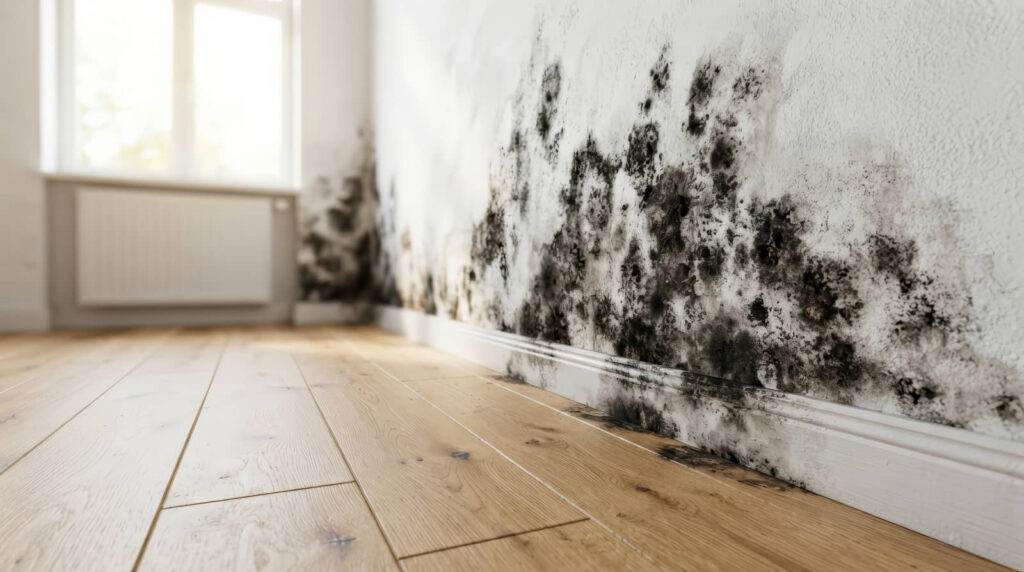
You should schedule a mold inspection if you see visible mold growth after a burst pipe.
You’ll also want one if musty odors keep lingering, even after drying and cleanup.
After any water damage, inspection helps confirm whether hidden moisture has created conditions for mold to spread.
Visible Mold Growth
Visible mold growth after a burst pipe signals that moisture has remained long enough for fungal colonization, and it often means a mold inspection is warranted.
You should act quickly, because exposed colonies can spread through porous materials and increase health risks for you and your household. A qualified inspector can identify the source, assess contamination, and guide mold remediation techniques that fit the damage.
- Check drywall, baseboards, and insulation
- Photograph affected areas before cleanup
- Isolate the room if growth is active
- Schedule inspection before repairs begin
When you respond early, you protect your space, support recovery, and stay connected to a safer, healthier home environment.
Musty Odors Persisting
If a musty odor lingers after cleanup, moisture may still be trapped behind walls, under flooring, or inside insulation, and that’s a strong sign you need a mold inspection.
You can’t rely on surface cleaning alone when musty smells keep returning, because hidden growth often continues feeding on damp materials.
A qualified inspector can identify moisture sources, test affected areas, and tell you whether mold is present in your space. That guidance helps you make informed decisions and stay confident in your restoration plan.
Effective odor removal depends on eliminating the underlying moisture problem, not just masking the scent.
If you want your home to feel safe, dry, and truly restored, schedule a mold inspection as soon as those stubborn odors persist.
After Water Damage
After water damage, mold can begin developing within 24 to 48 hours if materials stay wet, so quick cleanup alone doesn’t always eliminate the risk.
You should schedule a mold inspection when you notice persistent dampness, visible spotting, or a lingering odor. A certified inspector can verify contamination, protect water safety, and support insurance claims with documented findings.
Consider testing if:
- drywall stayed wet overnight
- insulation absorbed water
- the HVAC system ran during flooding
- you’re unsure what’s hidden behind walls
You’re not overreacting; you’re protecting your home and everyone in it.
Fast inspection helps you act with your restoration team, isolate damage, and reduce costly secondary growth before it spreads.
Why Professional Restoration Beats DIY Repairs
When a pipe bursts, professional restoration gives you a faster, safer, and more complete recovery than most DIY repairs can achieve. You may stop visible water, but hidden moisture can keep damaging framing, drywall, and insulation.
Trained technicians use moisture meters, extraction equipment, and antimicrobial treatments to protect your home and your health. They also spot structural issues and document losses for insurance, which saves you time and stress.
DIY pitfalls often include incomplete drying, mold growth, and electrical hazards. With professional benefits, you join a team that restores your space to code and helps you return to normal with confidence.
That expertise matters when you want your property and your peace of mind fully protected.
Frequently Asked Questions
How Do I Shut off the Main Water Valve Quickly?
Locate your main shutoff valve fast—usually near your meter, basement, or utility room. Turn it clockwise to stop flow. If you can’t find it, follow emergency procedures and check posted valve locations immediately.
Will My Insurance Cover Burst Pipe Restoration Costs?
As an aside, you’ll usually find insurance policies cover burst pipe restoration, but coverage limits vary. You should review your policy, document damage, and contact your insurer quickly so you’re not left out.
How Long Does Burst Pipe Restoration Usually Take?
You’re usually looking at a restoration timeline of 3–7 days for minor water damage, though larger losses can take weeks. You’ll need drying, cleanup, repairs, and inspections, so your team should assess conditions quickly.
Can Restoration Teams Save Hardwood Floors After Flooding?
Yes, you often can save hardwood floors after flooding if you act fast. You’ll need moisture detection methods and hardwood preservation techniques; like a lifeline, they help you restore damage, protect structure, and preserve your home’s warmth.
Should I Replace Pipes After a Burst Occurs?
Yes, you should usually replace damaged pipes after a burst. You’ll want to review pipe replacement options and choose long term solutions to prevent repeat failures, protect your system, and support your home’s lasting security.
Recap
When you choose burst pipe water restoration, you’re acting fast to limit damage, protect your home, and cut repair costs. For example, if a pipe bursts overnight in your kitchen, 24/7 extraction can stop water from soaking cabinets, subfloors, and drywall before mold starts. Professional restoration gives you moisture mapping, structural drying, and safety checks that DIY cleanup can’t match. In the end, you get a faster, safer, and more complete recovery.
Recent Posts
24/7 Water Damage Repair Guide
A flooded room can look minor at first, then turn severe within hours. You need
Leak Mold Inspection and Testing Guide
Most ceiling leaks hide moisture beyond the visible stain, so you can’t rely on surface
Why Test Mold After Water Damage?
Even if the area looks dry, you should still test for mold after water damage