
Contents
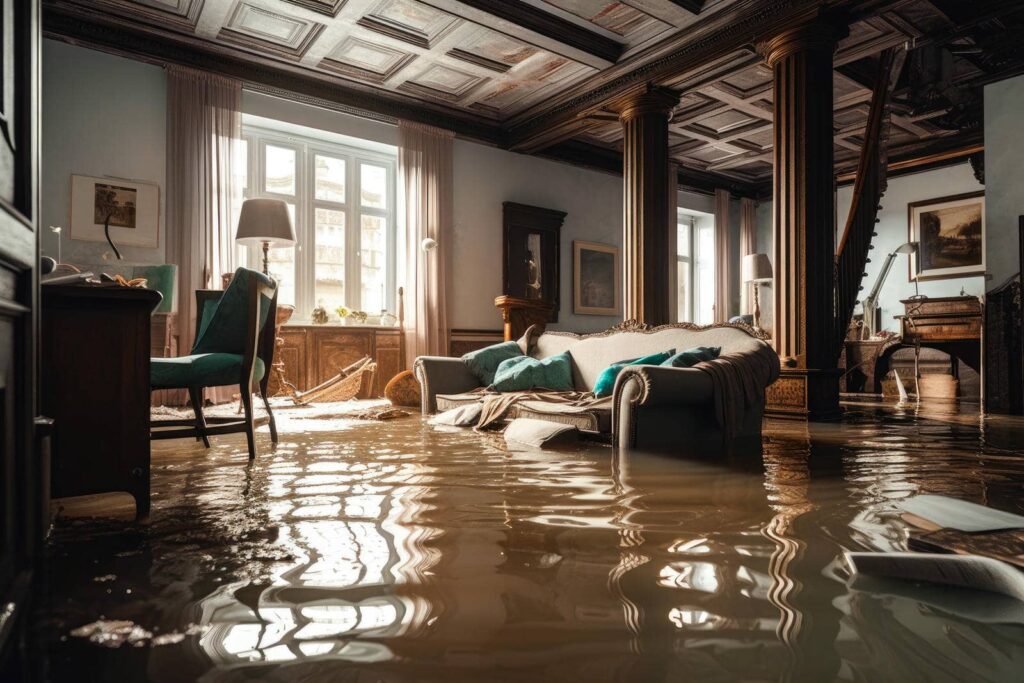
Water damage can wreak havoc on your property faster than you might think. Understanding the top drying techniques is vital to mitigate further damage and prevent mold growth. From optimizing air movement to utilizing specialized equipment, there’s a systematic approach to effective drying. But what exactly should you prioritize first, and how do these methods work together to ensure your space is thoroughly dried? Let’s explore the essential strategies that can make all the difference.
Key Takeaways
- Utilize dehumidifiers to actively remove moisture and lower humidity levels in the affected area.
- Employ air movers or fans to enhance air circulation and promote faster evaporation.
- Implement heat application strategies with electric heaters or infrared lamps to accelerate the drying process.
- Create cross-ventilation by positioning fans to direct airflow across wet areas and towards exit points.
- Regularly monitor humidity levels to ensure effective drying and prevent mold growth.
Air Movement Techniques
When dealing with water damage, effective air movement techniques are vital for expediting the drying process. Proper fan placement is important; you’ll want to position fans to create a cross-ventilation effect.
Start by placing one fan to blow air across the wet area, while another directs airflow towards an exit point, like a window or door. This setup encourages moisture to evaporate more rapidly.
Additionally, consider the airflow direction. Aim to move air from dryer areas toward the wetter sections. This strategy enhances overall efficiency, as it prevents stagnant air pockets that can hinder drying.
For enclosed spaces, use smaller fans to ensure every corner receives adequate airflow.
Dehumidification Methods
When addressing water damage, effective dehumidification is essential to prevent further issues.
You can choose between mechanical dehumidifiers, which actively remove moisture, or natural drying techniques that rely on airflow and temperature changes.
Understanding these methods will help you select the best approach for your specific situation.
Mechanical Dehumidifiers
Mechanical dehumidifiers are essential tools in effectively managing water damage by reducing indoor humidity levels. These devices extract moisture from the air, which helps prevent mold growth and structural damage.
One of the key mechanical dehumidifier benefits is their ability to operate in various environments, making them suitable for residential, commercial, and industrial applications. Whether you’re dealing with a flooded basement or moisture-prone areas, these dehumidifiers can adapt to your specific needs.
They work efficiently to maintain ideal humidity, ensuring a healthier indoor atmosphere. By investing in mechanical dehumidifiers, you’re taking a proactive step toward protecting your property and promoting a safe living environment for everyone.
Natural Drying Techniques
Natural drying techniques play an essential role in effectively managing water damage without relying solely on mechanical equipment.
You can utilize sunlight exposure by opening windows and removing curtains to allow direct sunlight to enter the affected area. This helps to warm surfaces and accelerates evaporation.
Additionally, implementing ventilation strategies is vital. Use fans to circulate air, promoting airflow that helps moisture escape. Confirm that cross-ventilation occurs by creating pathways for air to flow through the space.
Combining these techniques can greatly reduce drying time and mitigate mold growth. By being proactive with natural drying methods, you’re fostering a healthier environment and protecting your space from further damage.
Embrace these strategies to restore your home effectively.
Surface Drying Approaches
When tackling surface drying after water damage, you need to focus on effective air movement techniques and dehumidification methods.
By strategically positioning fans and using dehumidifiers, you enhance evaporation rates and accelerate the drying process.
Understanding how to optimize these tools will greatly improve your results in restoring affected surfaces.
Air Movement Techniques
Effective air movement techniques play an essential role in surface drying approaches for water damage restoration. To maximize drying efficiency, you should focus on airflow optimization.
Positioning fans strategically can enhance air circulation, helping to evaporate moisture from affected surfaces more rapidly. Use high-velocity fans to direct airflow across wet areas, ensuring that you cover all impacted zones. This creates a continuous flow that reduces drying time considerably.
Additionally, consider utilizing air movers in conjunction with dehumidifiers to further improve the drying process. By maintaining a balance between airflow and humidity levels, you’ll create ideal conditions for efficient evaporation.
Implementing these techniques expedites restoration and fosters a sense of community as you tackle the challenges of water damage together.
Dehumidification Methods
Dehumidification methods are critical for achieving ideal surface drying in water damage restoration. Proper humidity control speeds up the drying process and prevents mold growth.
When you’re selecting a dehumidifier, consider these three key factors:
Capacity: Choose a dehumidifier with the right capacity for the affected area to effectively remove moisture.
Type: Opt for either refrigerant or desiccant dehumidifiers based on the temperature and humidity levels in your space.
Portability: Select a unit that’s easy to move around, allowing you to target specific wet areas efficiently.
Heat Application Strategies
Although managing water damage often requires multiple strategies, heat application plays a crucial role in expediting the drying process. By effectively utilizing various heat sources, you can enhance thermal efficiency and accelerate moisture removal from affected areas. Common heat sources include electric heaters, infrared lamps, and warm air blowers.
When applying heat, make sure that it’s evenly distributed to prevent hotspots that could damage materials or create unsafe conditions. You’ll want to monitor temperatures closely to maintain ideal drying conditions without causing additional harm.
Combining heat application with proper ventilation enhances the overall drying process, allowing moisture to evaporate more quickly. This synergy speeds up recovery and reduces the risk of mold growth, which can lead to long-term issues.
Specialized Equipment Utilization
When dealing with water damage, utilizing specialized equipment can greatly enhance your drying efforts. This equipment is designed to optimize drying technology and ensure that moisture is removed efficiently.
By incorporating the right tools, you can markedly reduce the risk of mold growth and structural damage.
Here are three essential types of specialized equipment you should consider:
Dehumidifiers: These machines extract moisture from the air, lowering humidity levels and speeding up the drying process.
Air Movers: Also known as blowers, air movers circulate air over wet surfaces, promoting evaporation and enhancing the overall drying efficiency.
Infrared Drying Equipment: This technology uses infrared radiation to penetrate materials and dry them from the inside out, ensuring thorough moisture removal.
Investing in this specialized equipment can make a substantial difference in your water damage restoration efforts, leading to quicker and more effective results.
Moisture Detection Tools
After employing specialized equipment for drying, accurately evaluating moisture levels becomes essential in the restoration process.
You’ll want to invest in reliable moisture detection tools like moisture sensors and humidity meters. These devices provide precise readings, allowing you to monitor and assess the effectiveness of your drying efforts.
Moisture sensors are particularly useful for detecting hidden water in walls, ceilings, and floors, ensuring you address all affected areas.
On the other hand, humidity meters measure the ambient moisture in the air, helping you understand if your environment is conducive to effective drying.
Safety Considerations During Drying
While tackling water damage, keeping safety at the forefront is essential. When you start the drying process, be aware of potential risks.
Here are three critical safety considerations:
Wear Protective Gear: Always wear gloves, masks, and goggles to protect yourself from contaminants and allergens that may be present in the water-damaged area.
Identify Electrical Hazards: Before beginning any work, verify that all electrical appliances and outlets in the affected area are turned off. Inspect for any signs of water exposure to electrical systems, as this poses a significant risk.
Ventilation: Maintain adequate ventilation to prevent mold growth and improve air quality. Open windows and use fans to circulate air effectively.
Frequently Asked Questions
How Long Does Drying Usually Take After Water Damage?
Drying usually takes 24 to 48 hours, depending on the drying conditions. If you manage airflow and humidity effectively, you can greatly reduce the drying time, ensuring your space returns to normal quickly.
Can I Dry My Home Without Professional Help?
Yes, you can dry your home without professional help. Using DIY drying methods, you can remove excess home moisture effectively. Ensure proper ventilation, utilize fans, and absorb moisture with towels for the best results.
What Are the Signs of Mold Growth After Drying?
You’ll notice mold growth through musty odors, discoloration on surfaces, or visible spots. For effective mold identification, monitor humidity levels and address moisture promptly to ensure growth prevention in your home’s environment.
Will Water Damage Affect My Home’s Structure?
Yes, water damage can greatly impact your home’s structural integrity. You must conduct a thorough moisture assessment to identify any hidden issues, ensuring your home remains safe and sound for you and your loved ones.
How Can I Prevent Future Water Damage?
To prevent future water damage, implement effective waterproofing methods and drainage solutions. Regularly inspect your gutters and downspouts, seal cracks in foundations, and ensure proper grading around your home for ideal water management.
Final Thoughts
Mastering the top drying techniques for water damage is vital to prevent long-term issues. By strategically combining air movement, dehumidification, surface drying, and heat application, you can tackle moisture effectively. But remember, the stakes are high; neglecting these methods might lead to hidden mold growth or structural damage lurking beneath the surface. Stay vigilant and equipped with moisture detection tools to ensure your space remains safe and sound.
Recent Posts
Top Dehumidification Techniques for Flood Recovery
When dealing with flood recovery, effective dehumidification is essential to prevent further damage. You need
7 Top Tips for Drying Water Damage
Did you know that nearly 14,000 people experience a water damage emergency every day in
What Steps Remove Mold After Water Damage?
When dealing with mold after water damage, it’s vital to start with a thorough assessment