
Contents
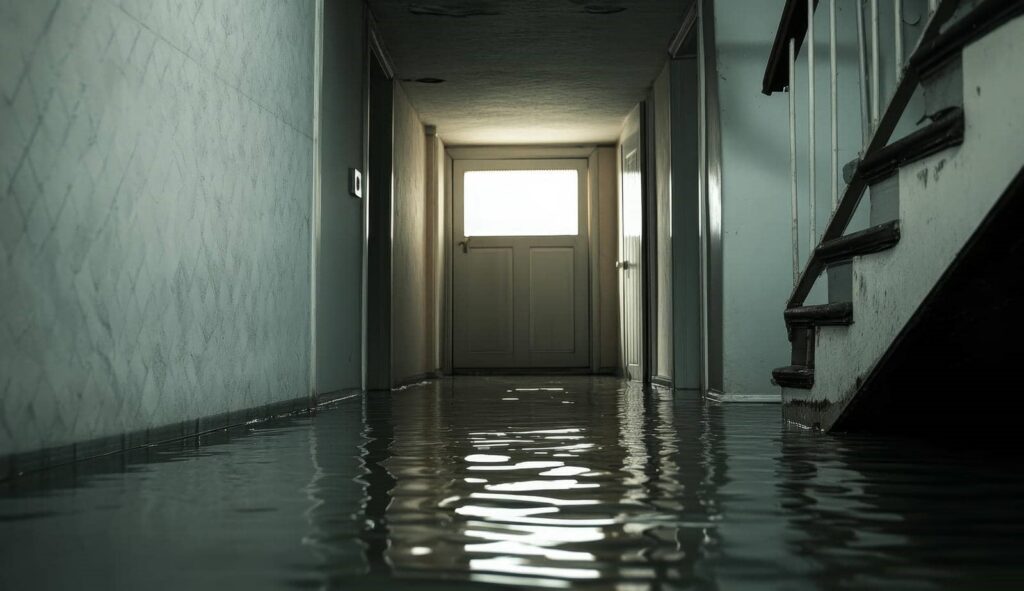
When dealing with basement water cleanup, it’s essential to act quickly and safely. Start by evaluating the situation and identifying the source of the water. Don’t forget to turn off power and utilities to avoid hazards. Once you’ve done that, you’ll need to remove standing water efficiently. But that’s just the beginning. There are several more steps to ensure your basement is thoroughly cleaned and protected from future issues.
Key Takeaways
- Assess the source of water and turn off power and utilities to ensure safety during cleanup.
- Remove standing water promptly using a pump, followed by towels and mops for residual moisture.
- Use a dehumidifier and fans to dry the area effectively, aiming for 30-60% humidity.
- Clean and disinfect all affected surfaces to eliminate germs and prevent mold growth.
- Inspect for underlying issues and consider professional help if damage is extensive.
Assess the Situation Quickly
When you discover water in your basement, it’s crucial to assess the situation quickly to prevent further damage.
Start by identifying the source of the water. Is it from a leak, flooding, or a broken pipe? Understanding this will help you determine your next steps.
Conduct a risk assessment by checking the extent of the water damage. Look for wet spots, mold, or structural issues, as these can pose hazards to your home and health.
It’s also wise to document the damage with photos for insurance purposes.
If the water level is significant, consider your safety first—don’t enter if it’s deep or if electrical hazards are present.
Acting swiftly can minimize damage and costs, allowing you to restore your space more efficiently.
Turn Off Power and Utilities
Before you start any cleanup efforts, it’s important to turn off power and utilities in your basement. This step is essential for ensuring your safety and preventing electrical hazards.
Begin by locating your circuit breaker and switching off the power to the affected area. If water has reached any outlets or electrical devices, avoid contact until you’ve confirmed everything’s safe.
Next, turn off the water supply to prevent further flooding and manage any potential leaks.
These safety precautions protect you and help in effective utility management during the cleanup process. Communicating with your utility providers can also ensure you receive guidance on any necessary steps to take regarding service restoration.
Remove Standing Water Promptly
Once you’ve confirmed the power is off, it’s essential to remove standing water promptly to prevent further damage.
You can use a pump for larger amounts of water, then follow up with towels and mops for any remaining moisture.
Additionally, check for leaks to address any underlying issues that may have caused the flooding.
Use a Pump
To effectively tackle standing water in your basement, using a pump is vital for prompt removal. Here are some key points to take into account:
Choose the Right Pump Types: Submersible pumps are great for deep water, while utility pumps work well for smaller areas.
Check the Power Source: Confirm your pump is plugged in and connected to a reliable power source to avoid interruptions.
Inspect for Damage: Before use, check your pump for any signs of wear and tear; this is important for pump maintenance.
Direct Water Away: Position the discharge hose to direct water away from your home to prevent future flooding.
Apply Towels and Mops
Removing standing water quickly is essential to prevent damage and mold growth in your basement.
Once you’ve pumped out most of the water, grab your towels and mops to tackle any remaining moisture.
Use towel techniques by soaking up smaller puddles with absorbent towels, wringing them out frequently to maximize effectiveness.
For larger areas, mop methods work best—choose a sturdy mop and apply a consistent, steady pressure to lift water from the floor.
Make sure to change the mop head or rinse it out regularly to avoid spreading dirt and contaminants.
By addressing the water promptly, you’ll help maintain a safe and welcoming environment in your home.
Don’t underestimate the importance of these simple yet effective cleanup steps!
Check for Leaks
After you’ve tackled the immediate water cleanup, it’s time to check for leaks that could be causing ongoing issues. Effective leak detection is essential in preventing further damage.
Here’s how to conduct a thorough plumbing inspection:
Inspect visible pipes for corrosion or damp spots, which may indicate a leak.
Look for water stains on walls or ceilings; they can reveal hidden leaks.
Check appliances like washing machines and water heaters for leaks at connections.
Monitor your water bill for unexplained increases, which might suggest a slow leak.
Dry Out the Area Effectively
While it’s crucial to act quickly, drying out the area effectively is essential to prevent further damage and mold growth.
Start by using a dehumidifier to remove excess moisture from the air. Set it to a level that suits your basement’s size, and keep it running continuously until things dry out completely.
Next, implement ventilation techniques. Open windows and doors to create airflow, and use fans to circulate air throughout the space.
Position the fans strategically to direct air toward the dampest areas, enhancing evaporation.
Monitor humidity levels regularly; aim for around 30-60% to discourage mold.
If the weather permits, consider running your HVAC system to aid in circulation and drying.
Clean and Disinfect Surfaces
Once the area is thoroughly dried, it’s time to focus on cleaning and disinfecting surfaces to eliminate any remaining contaminants.
Using appropriate cleaning agents and surface disinfectants ensures a safe environment for you and your family.
Follow these steps for effective cleaning:
Remove Debris: Clear away any dirt, dust, or debris from surfaces before applying disinfectants.
Apply Cleaning Agents: Use a suitable cleaning solution on all affected surfaces, including walls, floors, and furniture.
Disinfect Thoroughly: After cleaning, apply a surface disinfectant to kill any lingering germs and bacteria. Make sure to follow the product instructions for effectiveness.
Rinse and Dry: Rinse surfaces with clean water if necessary, and dry them completely to prevent future issues.
Check for Mold Growth
As you assess the cleaned basement, it’s important to check for any signs of mold growth, which can develop quickly in damp environments.
Look for discoloration on walls, ceilings, or floors, and be mindful of any musty odors. If you spot mold, act fast to prevent further spread.
To aid in mold prevention, maintain proper air circulation by using fans and dehumidifiers.
Ventilation is key—open windows if possible, or consider installing vents to facilitate airflow. Keeping humidity levels low, ideally between 30% and 60%, can greatly reduce the risk of mold.
Regular inspections are crucial, especially after heavy rains or flooding.
By maintaining vigilance and addressing moisture issues promptly, you create a healthier living space.
Remember, mold damages your property and can also pose health risks.
Prioritize these steps to safeguard your home and well-being.
Repair and Restore Damaged Areas
Once you’ve checked for mold, it’s time to assess the extent of the damage in your basement.
You’ll need to select appropriate restoration materials based on your findings, and sometimes, hiring professional help might be the best option for thorough repairs.
Taking these steps ensures your basement is safe and ready for use again.
Assess Damage Extent
When dealing with basement water damage, it’s crucial to assess the extent of the harm before beginning repairs.
This step helps you understand the necessary actions and aids in filing insurance claims effectively.
Here’s how to assess the damage:
Inspect Walls and Floors: Look for cracks, warping, or discoloration.
Check for Mold: Identify any visible mold growth, which can pose health risks.
Evaluate Electrical Systems: Verify no wiring is damaged; it can be dangerous.
Document Everything: Take photos and notes for insurance purposes.
Select Restoration Materials
Selecting the right restoration materials is essential for effectively repairing and restoring damaged areas in your basement.
Begin by choosing high-quality materials that can withstand moisture, such as mold-resistant drywall and water-resistant flooring. When sealing walls and floors, opt for waterproof sealants to prevent future water intrusion. These sealants create a barrier that protects your home from moisture damage.
Additionally, consider using insulation that’s specifically designed for damp environments to enhance energy efficiency and comfort.
Don’t forget to replace any damaged baseboards and trim with durable, moisture-resistant options.
Hire Professional Help
Hiring professional help is essential for effectively repairing and restoring damaged areas in your basement, especially if the extent of the damage is beyond what you can handle.
Professional services can provide a thorough damage assessment and the expertise needed to ensure the job is done right.
Consider the following:
Water Extraction – Professionals use powerful pumps and vacuums to remove standing water quickly.
Mold Remediation – They can identify and eliminate mold growth, preventing health risks.
Structural Repairs – Experts assess and repair any compromised walls or flooring.
Preventive Solutions – They offer long-term solutions to avoid future water damage.
Prevent Future Water Intrusion
To effectively prevent future water intrusion in your basement, it’s crucial to identify and address potential vulnerabilities around your home.
Start by inspecting your home’s exterior for cracks and gaps in the foundation. Sealing these openings with appropriate materials can act as a first line of defense. Installing water barriers, such as waterproof membranes, can further protect your basement from moisture.
Next, focus on your drainage systems. Verify your gutters and downspouts direct water away from your foundation. Regularly clean them to avoid clogs that can lead to overflow.
You might also consider adding a French drain or sump pump to manage excess water effectively.
Frequently Asked Questions
What Tools Do I Need for Basement Water Cleanup?
You’ll need a submersible pump for water extraction, wet/dry vacuum for smaller areas, and a dehumidifier for moisture control. These tools help you efficiently manage the cleanup and restore your basement quickly and effectively.
How Can I Tell if the Water Is Contaminated?
You can tell if water’s contaminated by testing it for bacteria or chemicals. Look for contamination sources like sewage leaks, chemical spills, or flooding. If unsure, always prioritize safety and consult professionals for accurate assessments.
Should I Hire a Professional for Cleanup?
Hiring a professional for cleanup can save you time and ensure safety. While professional services may incur additional cleanup costs, their expertise often prevents further damage, making it a worthwhile investment for your peace of mind.
How Long Does Basement Drying Usually Take?
Basement drying usually takes 3 to 5 days, but the drying process can vary. Factors like humidity, ventilation, and temperature affect how quickly you’ll see results. Monitor conditions closely for ideal drying.
What Insurance Coverage Exists for Basement Water Damage?
When it rains, it pours, and you’ll want flood insurance to cover water damage in your basement. Many policies include specific provisions, so check yours closely to ensure you’re fully protected against unforeseen disasters.
Recap
Tackling basement water cleanup requires swift action and careful attention. As you turn off utilities and remove standing water, you might find that a hidden leak from your plumbing was the culprit all along. Thoroughly drying and disinfecting the area will help prevent mold growth, while repairs restore your space. By implementing preventive measures, you can coincidentally create a more resilient basement that withstands future challenges and enhances your home’s overall value.
Recent Posts
Essential Tips for Emergency Basement Water Cleanup
When facing water intrusion in your basement, acting swiftly is essential. First, assess the situation
10 Essential Tips for Basement Water Damage Cleanup
Water damage in your basement is like a silent thief, gradually stealing your home’s integrity.
How to Remediate Mold After Flood Damage
In the aftermath of a flood, the lurking threat of mold can feel like an