
Contents
Have you ever wondered why mold seems to thrive in basements? Understanding effective mold remediation strategies is essential for maintaining a healthy living environment. By identifying water intrusion sources and evaluating humidity levels, you can take the first steps toward prevention. But that’s just the beginning. Effective containment and removal of contaminated materials are critical, yet often overlooked. What specific actions can you implement to ensure long-term results?
Key Takeaways
- Identify and address water intrusion sources promptly to prevent mold growth in basements.
- Maintain indoor humidity levels between 30% and 60% to deter mold establishment.
- Isolate contaminated areas using sealing barriers and negative air pressure for effective remediation.
- Use appropriate personal protective equipment (PPE) during mold removal to ensure safety.
- Conduct regular inspections to monitor for moisture and prevent mold reoccurrence in basements.
Identifying Mold Growth in Basements
How can you effectively identify mold growth in your basement? Start by examining the common mold types, such as Aspergillus, Penicillium, and Stachybotrys, which thrive in damp, dark environments.
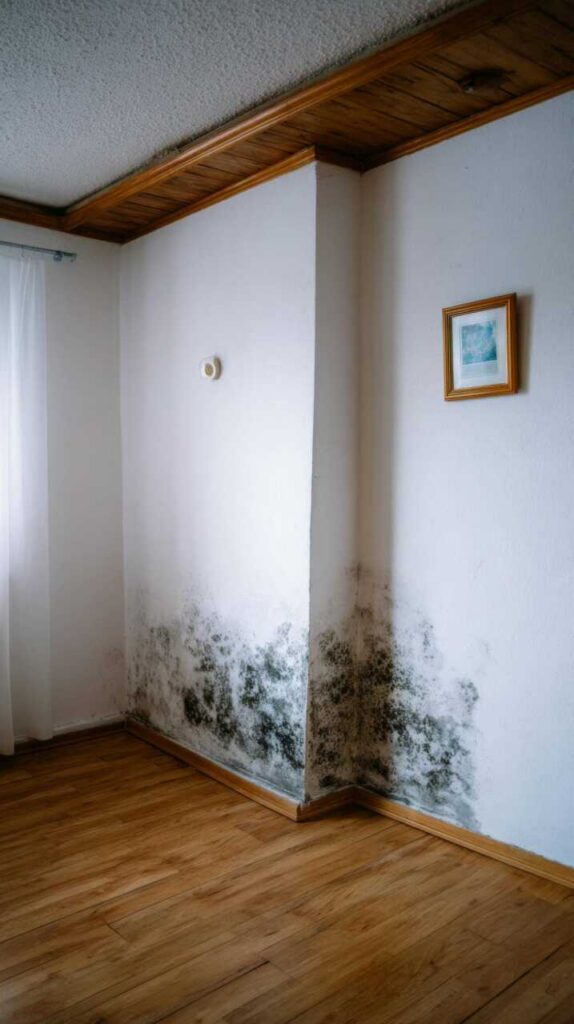
Look for visible signs like discoloration on walls or ceilings, often appearing as black, green, or white patches. Pay attention to musty odors, which indicate hidden mold growth.
Next, consider the growth conditions that favor mold proliferation, such as high humidity levels and poor ventilation. Use a moisture meter to check for elevated moisture levels in building materials.
Verify you inspect areas prone to leaks, like around pipes and windows, as these are often hot spots for mold development.
Assessing Humidity Levels and Ventilation
Identifying mold growth sets the stage for addressing the underlying factors that contribute to its proliferation, particularly humidity levels and ventilation.
To effectively combat mold, start with humidity measurement. Ideally, indoor humidity should remain between 30% and 50%. Use a hygrometer to determine current levels, allowing you to gauge whether excessive moisture is present.
Next, conduct a ventilation assessment. Proper airflow is essential in reducing humidity and discouraging mold growth. Check for blockages in vents, and make certain that exhaust fans in areas like laundry rooms and bathrooms are functioning correctly.
If natural ventilation is lacking, consider installing dehumidifiers or additional ventilation systems.
Containing the Affected Area
Before beginning mold remediation, it’s important to contain the affected area to prevent spores from spreading throughout your basement. Implementing effective mold containment methods is vital for a successful remediation process.
Start by using sealing barriers, like plastic sheeting, to isolate the contaminated zone. Make sure that the barriers extend from the floor to the ceiling, creating a physical barrier that minimizes airflow and potential cross-contamination.
Next, seal any openings, such as vents and doors, to further restrict mold spores from escaping. You might also consider using negative air pressure machines to direct airflow away from the unaffected areas.
This controlled environment allows you to effectively address the mold problem without exacerbating it. By prioritizing containment, you protect your living space and foster a sense of security within your home.
Selecting Appropriate Personal Protective Equipment (PPE)
When handling mold remediation, selecting the right personal protective equipment (PPE) is vital for your safety.
You’ll need essential items like respirators, gloves, and goggles, ensuring they fit properly and provide comfort during use.
A well-fitted PPE protects you from exposure and allows for effective work in the affected area.
Essential PPE Items
Selecting the right personal protective equipment (PPE) is crucial for effective mold remediation in basements, as it safeguards your health from exposure to harmful spores and toxins.
First, consider using N95 respirators, which filter out airborne particles, ensuring you breathe clean air.
Next, wear gloves made from nitrile or latex to protect your skin from direct contact with mold. Eye protection, like goggles, is also essential to prevent irritation.
Additionally, disposable coveralls can minimize clothing contamination.
When you follow these essential PPE guidelines, you’re not just adhering to safety protocols; you’re also implementing effective mold prevention techniques.
Prioritizing proper PPE fosters a sense of belonging within a community that values health and safety during mold remediation efforts.
Proper Fit and Comfort
Ensuring that your personal protective equipment (PPE) fits properly and is comfortable is essential for effective mold remediation in basements. Ill-fitting gear can lead to exposure, which undermines your mold prevention efforts.
Choose gloves, masks, and suits designed for extended use to maintain comfort while you work. Pay attention to the materials; breathable fabrics can help manage moisture levels, particularly important when dealing with basement insulation issues.
Additionally, feel free to adjust straps and fastenings for a snug fit—this maximizes both safety and comfort. By prioritizing proper fit, you enhance your ability to effectively manage mold, fostering a healthier environment for yourself and your community.
Removing Contaminated Materials
Removing contaminated materials is a significant step in effective mold remediation for basements. When you identify materials affected by mold, like drywall or insulation, it’s important to act swiftly. Use proven mold removal techniques to assess the extent of contamination. Make sure you wear protective gear to prevent exposure during the removal process.
Once you’ve removed the contaminated materials, focus on proper contaminated material disposal. Local regulations often dictate how to dispose of these items, so it’s imperative to follow those guidelines. Proper disposal protects your health and prevents the spread of mold spores to other areas of your home.
This methodical approach to removing contaminated materials fosters a healthier environment, allowing you to reclaim your basement space.
Cleaning and Disinfecting Surfaces
After you’ve successfully removed contaminated materials from your basement, the next step is cleaning and disinfecting surfaces to eliminate any remaining mold spores.
This process is critical in ensuring a mold-free environment. You’ll want to choose effective surface cleaners designed to kill mold and prevent regrowth.
Consider these essential steps:
Thoroughly scrub affected surfaces: Use brushes or cloths to get into crevices where mold spores may linger.
Apply a suitable disinfectant: Look for products with EPA approval specifically for mold removal.
Follow up with a rinse: This ensures no residue remains, which could attract moisture.
Implementing Moisture Control Strategies
To effectively combat mold growth in your basement, implementing moisture control strategies is crucial, as excessive humidity creates a perfect environment for mold spores to thrive.
Start by considering dehumidifier installation; a well-placed dehumidifier can greatly lower humidity levels, reducing mold’s ability to flourish. Choose a unit with the appropriate capacity for your basement size to ensure peak performance.
Additionally, explore drainage solutions to address water pooling and leaks. Installing gutters and downspouts can direct water away from your foundation, while sump pumps can manage groundwater effectively.
Regularly inspect these systems to prevent failures that could lead to moisture accumulation.
Repairing Structural Damage
Addressing structural damage is essential in mold remediation, as compromised areas can harbor moisture and facilitate mold growth.
Maintaining the structural integrity of your basement is vital for a healthy environment. When you identify damage, consider implementing effective repair techniques, such as:
- Reinforcing weakened beams to support weight and prevent further collapse.
- Sealing cracks and gaps in walls and floors to eliminate moisture entry points.
- Replacing damaged wood or drywall that may have been affected by mold.
Each of these techniques contributes to restoring your basement’s strength and preventing mold recurrence.
Remember, taking immediate action protects your investment and fosters a sense of safety and belonging in your home.
Regular Monitoring and Maintenance
To effectively prevent mold growth in your basement, you need to implement routine inspections and humidity control measures.
Regular checks allow you to identify moisture sources early, while maintaining ideal humidity levels can inhibit mold development.
Routine Inspections and Checks
While many homeowners may overlook the importance of regular inspections, consistent monitoring of your basement is crucial for effective mold remediation.
By incorporating preventive maintenance and seasonal inspections into your routine, you can greatly reduce mold risks.
Consider these key areas during your checks:
- Water intrusion: Look for leaks or damp spots that could promote mold growth.
- Ventilation: Confirm air circulation is adequate to prevent moisture buildup.
- Surface conditions: Inspect walls and floors for discoloration or texture changes indicating mold presence.
Humidity Control Measures
Regular inspections lay the groundwork for effective humidity control, a vital aspect of mold remediation in basements.
To maintain a healthy environment, you should prioritize humidity monitoring. Invest in a reliable hygrometer to track moisture levels and identify problematic spikes. If humidity consistently exceeds 60%, consider dehumidifier installation to combat excess moisture. This curtails mold growth and enhances air quality.
Make sure you regularly check and clean your dehumidifier to maximize its efficiency. By scheduling routine maintenance, you’ll establish a proactive approach to humidity control, fostering a sense of community in your home.
Frequently Asked Questions
How Long Does Mold Remediation Typically Take in Basements?
Mold remediation in basements usually takes one to five days, depending on mold growth and the remediation timeline. Factors like the extent of contamination and drying time can influence the overall duration considerably.
Can I Sell a House With a History of Mold Issues?
Yes, you can sell a house with a history of mold issues, but you must disclose it. Homebuyer concerns may arise, so addressing remediation and providing documentation can help alleviate fears and facilitate the sale.
Are There Natural Remedies for Basement Mold Removal?
You can tackle basement mold with natural solutions like vinegar. For instance, a homeowner used DIY techniques, spraying a vinegar solution on affected areas, effectively eliminating mold and fostering a healthier environment for their family.
What Is the Cost of Professional Mold Remediation Services?
Professional mold remediation services typically range from $500 to $6,000, depending on mold inspection costs and various remediation service factors like the extent of damage and required materials. Understanding these details helps you budget effectively.
How Can I Prevent Mold Regrowth After Remediation?
To prevent mold’s sneaky return, embrace mold-resistant materials and maintain strict humidity control. Think of it as building a fortress; you’re safeguarding your space, ensuring a healthy environment for you and your loved ones.
Summary
Effectively tackling mold in your basement isn’t just about removing a nuisance; it’s about reclaiming your sanctuary. By addressing moisture sources, sealing affected areas, and employing proper cleaning techniques, you can prevent mold from turning your home into a scene reminiscent of a forgotten, damp cellar. Regular monitoring ensures that your efforts endure, safeguarding your family’s health and comfort. Take action now, and transform your basement back into a haven rather than a hidden threat.
Recent Posts
7 Steps to Remove Black Mold After Water Damage
Black mold can pose serious health risks and often stems from water damage that’s been
Effective Black Mold Removal After Water Damage
After experiencing water damage, addressing black mold is vital for your health and property. Mold
3 Proven Mold Remediation Techniques for Basements
When it comes to addressing the pesky issue of mold in your basement, you’ll want