
Contents
When dealing with flood damage, it is crucial to focus on effective moisture control techniques. Evaluating and removing standing water is your first step, followed by utilizing dehumidifiers to regulate humidity levels. Finally, implementing moisture barriers can prevent future issues. Each technique plays a critical role in safeguarding your property. Understanding their specific applications will prepare you for the challenges ahead. What comes next in this process could greatly influence your recovery efforts.
Key Takeaways
- Assess and remove standing water immediately using submersible pumps or wet/dry vacuums to mitigate flood damage.
- Utilize dehumidifiers to maintain humidity levels between 30% and 60%, promoting effective moisture control.
- Position air movers strategically to create a circular airflow for accelerated evaporation of wet surfaces.
- Implement high-quality moisture barriers, sealing gaps to prevent future water intrusion, especially in basements and crawl spaces.
- Conduct regular inspections and maintenance of moisture barriers and seals to ensure long-term effectiveness against water damage.
Assessing and Removing Standing Water
When dealing with flood damage, evaluating and removing standing water is essential for preventing further structural damage and mold growth.
Start your flood assessment by identifying the areas most affected by water intrusion. Use a submersible pump or a wet/dry vacuum for effective water extraction, ensuring you remove as much water as possible.
As you work, monitor the moisture levels in various materials to determine which areas require immediate attention. Pay close attention to hidden spaces, such as under floorboards and within walls, where water can remain trapped.
After extracting standing water, document your findings and the conditions of the affected areas to guide future remediation efforts.
Utilizing Dehumidifiers and Air Movers
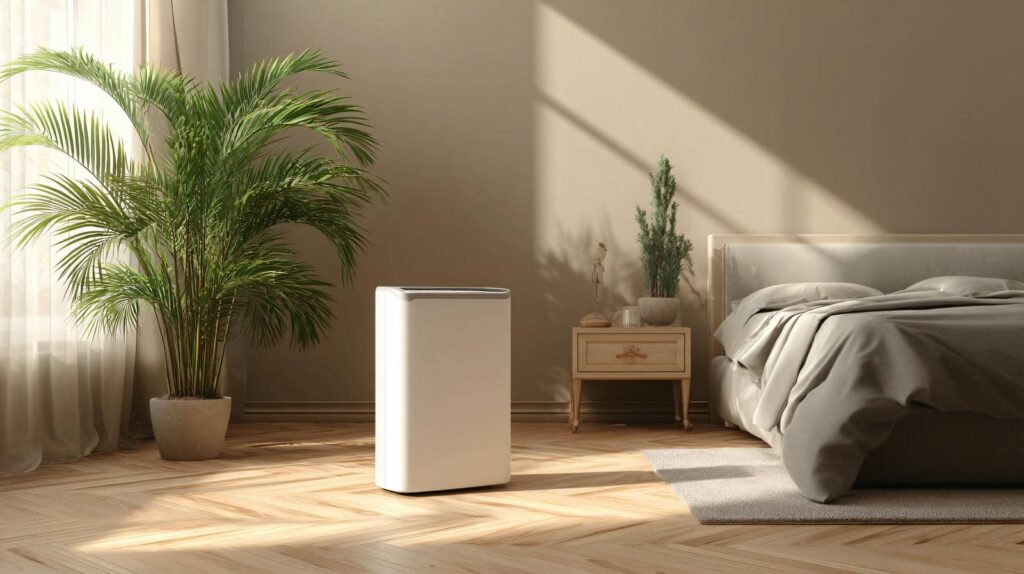
Deploying dehumidifiers and air movers is essential for effective moisture control after a flood. You’ll want to adjust your dehumidifier settings to achieve ideal humidity levels—typically between 30% and 60%. This range helps prevent mold growth and structural damage.
Place your dehumidifiers strategically in areas with the highest moisture concentration, ensuring they’re not obstructed by furniture or other objects.
Air mover placement is equally critical. Position them to create a circular airflow pattern, directing air across wet surfaces, walls, and floors. This helps accelerate evaporation and speeds up the drying process.
Make sure to adjust the angle of the air movers to target specific damp areas. Regularly monitor humidity levels and adjust your equipment as necessary to maintain an efficient drying environment.
Implementing Moisture Barriers and Sealants
After addressing immediate moisture concerns with dehumidifiers and air movers, implementing moisture barriers and sealants becomes essential for long-term protection against water damage.
You’ll want to choose high-quality moisture barrier materials like polyethylene sheets, spray-on membranes, or liquid sealants that effectively block water intrusion.
When applying these barriers, make certain you follow proper sealing techniques. This includes cleaning surfaces thoroughly, applying sealants evenly, and using caulking for gaps around windows and doors.
Pay special attention to basements and crawl spaces, as these areas are prone to moisture accumulation.
Regularly inspect your barriers and seals to maintain their effectiveness.
By taking these steps, you’ll protect your property and foster a sense of community resilience, knowing you’ve made your space safer for everyone.
Embracing these techniques helps you create an environment that’s not just dry, but secure and welcoming.
Frequently Asked Questions
How Long Does It Take for a Home to Dry Completely After Flooding?
A home typically takes 5 to 14 days to dry completely after flooding, depending on moisture factors like humidity, temperature, and ventilation. You’ll want to monitor these conditions closely to ensure efficient drying time.
What Health Risks Are Associated With Lingering Moisture After Flooding?
Lingering moisture leads to mold exposure, which can spark serious respiratory issues. You could experience symptoms like coughing, wheezing, or aggravation of allergies. Promptly addressing moisture problems protects your health and promotes a safer living environment.
Should I Replace My Carpet After Flood Damage?
Yes, you should consider carpet replacement after flood damage. Moisture can lead to mold and health issues. For effective flood restoration, replacing soaked carpets ensures a safer environment and improves your home’s overall condition.
Can I Use My HVAC System to Help With Moisture Control?
Think of your HVAC system as a diligent gardener, nurturing your home’s air. It can enhance air circulation and improve HVAC efficiency, helping to reduce moisture levels effectively, especially after flood damage. Just remember to maintain it well.
What Are the Signs of Mold Growth After a Flood?
You’ll notice signs of mold growth like musty odors, discoloration on surfaces, and water spots. For effective mold prevention, prioritize moisture detection early, ensuring your environment stays dry and reducing the risk of mold proliferation.
Conclusion
In the aftermath of a flood, think of your home as a ship maneuvering through turbulent waters. By evaluating and removing standing water, utilizing dehumidifiers, and implementing moisture barriers, you’re not just salvaging your property; you’re reinforcing its hull against future storms. Each step you take acts like a sturdy sail, guiding your home back to safety and stability. Embrace these moisture control techniques to ensure your vessel remains resilient and protected against the unpredictable tides of nature.
Recent Posts
5 Best Mold Remediation Techniques for Basements
If you’re dealing with mold in your basement, it’s important to understand the best mold
What Are Quick Tips for Basement Water Cleanup?
When dealing with basement water cleanup, it’s essential to act quickly and safely. Start by
Essential Tips for Emergency Basement Water Cleanup
When facing water intrusion in your basement, acting swiftly is essential. First, assess the situation