
Contents
After water damage, you need mold testing if materials stayed wet for 24 to 48 hours or if you notice musty odors, staining, or recurring dampness. You’ll usually start with a visual inspection, moisture mapping, and targeted air or surface sampling to confirm hidden growth. The results don’t just show whether mold is present; they help you decide what to remove, what to dry, and what to monitor next.
Key Takeaways
- Test for mold after water damage if porous materials stayed wet for 24–48 hours or longer.
- Persistent musty odors, visible growth, or recurring dampness are strong signs you need inspection.
- Professionals use visual checks, moisture readings, air sampling, and surface testing to find hidden mold.
- Test results are compared with outdoor samples to judge indoor spore levels and mold risk.
- Findings guide remediation, leak repair, drying, and follow-up inspection to prevent regrowth.
When Should You Test for Mold After Water Damage?
If water damage has soaked porous materials, lingered for more than 24 to 48 hours, or left behind a musty odor, you should test for mold as soon as the area is dry enough to inspect safely.
You can’t rely on sight alone, because hidden mold growth often begins inside drywall, insulation, or subfloors before it becomes visible. Use testing methods when humidity stays elevated, materials stayed wet, or you want documented confirmation before remediation.
You’re not overreacting by acting early; you’re protecting your home and everyone in it. A prompt test helps you identify whether spores have colonized and what scope you’re facing.
If you’re unsure, a qualified inspector can guide you through the next step with clear data and steady support.
Signs You Need a Mold Inspection
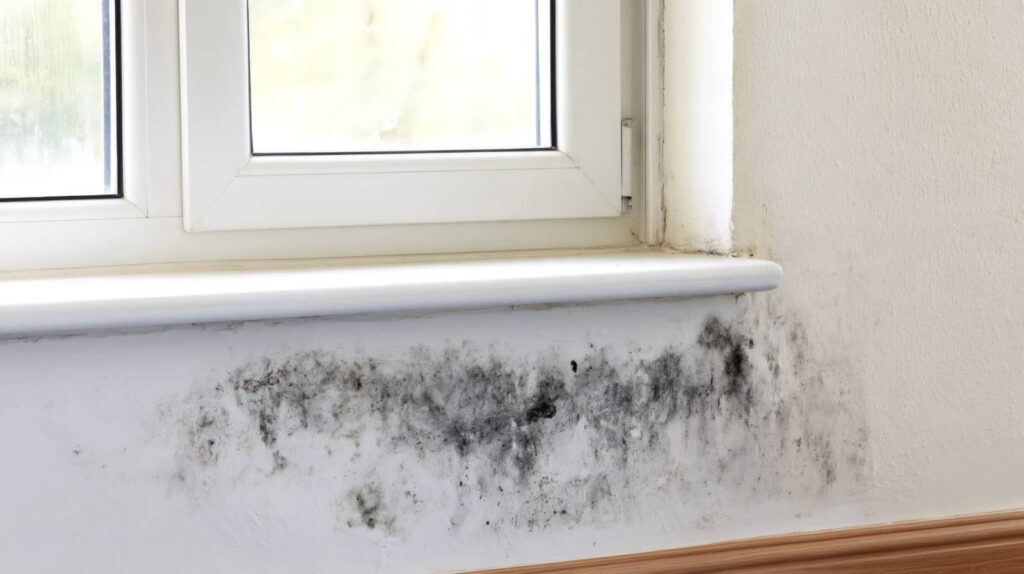
You should schedule a mold inspection if you see visible growth on walls, ceilings, or flooring after water damage.
A persistent musty odor can also indicate hidden mold behind surfaces or inside building cavities.
If moisture keeps returning or materials stay damp, you need a professional assessment to identify the source and limit further spread.
Visible Mold Growth
Visible mold growth often signals that moisture has lingered long enough for contamination to take hold, and it’s a clear reason to schedule a mold inspection.
You may notice spots on drywall, framing, baseboards, or contents, and each patch can help identify likely mold types. Trained testing can confirm whether the growth is superficial or widespread, so you can choose the right remediation plan.
If you’ve had leaks, flooding, or damp materials, don’t wait for the issue to spread behind surfaces. Visible growth can also help explain possible health effects, especially when symptoms appear in shared spaces.
An inspection gives you clear data, reduces uncertainty, and helps you protect your home and the people in it with confidence.
Musty Odors
A persistent musty odor often points to hidden moisture and mold growth, even when surfaces still look clean. If you notice this smell after water damage, trust your nose and schedule a mold inspection.
You’re not overreacting; odor can indicate microbial activity in wall cavities, insulation, or HVAC components. Quick testing helps you confirm whether mold spores are affecting your indoor air quality and lets you respond before damage spreads.
Technicians can sample air or surfaces, then identify the right cleanup approach. Staying proactive also supports mold prevention strategies by addressing the source early.
If your home smells stale, earthy, or damp in one room or throughout the property, you deserve clear answers and a healthier space for everyone inside.
Persistent Moisture
When wet spots keep returning after cleanup, persistent moisture is a strong sign that hidden mold may already be developing behind walls, under flooring, or around windows and plumbing.
You should treat recurring dampness as a building-performance issue, not just a surface stain. Check for elevated humidity, leaks, condensation, and slow drainage, then use moisture meters or thermal imaging to confirm where water lingers.
If drywall feels soft, paint blisters, or baseboards swell, schedule a mold inspection promptly. Your home deserves careful protection, and you’re not overreacting by acting early.
Applying mold prevention strategies and moisture control techniques now can limit growth, reduce repair costs, and help you reclaim a healthier, more comfortable space for everyone inside.
How Professionals Test for Mold
Professionals use a structured testing process to identify mold after water damage, combining visual inspection, moisture measurements, and air or surface sampling to pinpoint hidden growth.
You’ll see them map affected areas, note stains, odors, and damp materials, then compare readings to normal conditions. Air sampling helps them detect spores that aren’t visible, while surface testing confirms whether suspect spots truly carry mold.
They often review building materials, humidity, and drying progress so you understand what’s active and what’s stabilized. This method gives you clear evidence, reduces guesswork, and helps your team make confident decisions.
When you work with trained specialists, you’re not handling uncertainty alone—you’re getting measurable results and a path toward safer indoor air.
How to Test for Mold After a Ceiling Leak
After a ceiling leak, you should first check the area directly below the stain for discoloration, bubbling paint, soft drywall, and musty odors, since these signs often point to hidden moisture and possible mold growth.
Next, perform a ceiling leak inspection with a flashlight, moisture meter, and borescope if you can access the cavity.
Use mold detection techniques like surface swabs or tape lifts on any visible spots, and sample adjacent dry areas for comparison.
You can also test indoor air with a spore trap when the leak affected a larger section.
Seal each sample carefully, label it, and keep the affected room closed during collection.
If you’re unsure, bring in a qualified inspector who can guide your team, confirm contamination, and help you move forward confidently.
How to Read Mold Test Results
When you read mold test results, compare the spore counts to the outdoor control sample, since elevated indoor levels can indicate hidden moisture damage.
You’ll also need to identify the mold types detected, because some species are more consistent with water intrusion than normal background growth.
Then you can interpret the risk level in context, which helps you decide whether you need cleaning, drying, or further inspection.
Understanding Spore Counts
Spore counts tell you how much mold the test detected in a given sample, and they help you compare indoor air or surface conditions against typical background levels. You can read them as a snapshot, not a final diagnosis, because counts shift with humidity, airflow, and recent cleaning.
Higher numbers often mean more active growth nearby or stronger spore dispersion from a damaged area. Lower numbers usually suggest less airborne material, but they don’t guarantee the space is clear.
When you review results, look for patterns across rooms and samples, not one isolated value. Understanding the spore lifecycle helps you see why counts rise after water damage and then fall as moisture control improves.
You’re not guessing; you’re using measurable data to guide next steps confidently.
Identifying Mold Types
Mold species matter because test results can show whether you’re dealing with common background molds or types that often point to water damage, such as Cladosporium, Penicillium, or Aspergillus.
You’ll use mold identification methods to match lab names with common mold types found indoors and outdoors. If your report lists mostly outdoor spores, that can fit normal air movement. If it highlights repeated indoor-associated species, you’ve got a clearer map of where moisture lingered.
You don’t need to decode every Latin label alone; a qualified inspector can help you compare the sample against your space’s history and materials. That process helps you feel informed, not overwhelmed, and lets you stay connected to a trusted plan for next steps.
Interpreting Risk Levels
How do you turn a lab report into a real-world risk picture? You compare indoor counts, outdoor controls, and species present.
Your risk assessment improves when you see elevated totals inside, especially after water damage, because that suggests active growth. Toxic or allergenic species increase concern, but concentration and exposure time matter too.
If spores are similar indoors and outdoors, your results may point to normal background levels rather than a hidden source.
Watch for moisture markers, fragments, and unusual fungi, since they sharpen the health implications.
You don’t need to guess alone; a qualified assessor can explain whether your home needs cleanup, containment, or only monitoring.
Read results in context, and you’ll understand what’s urgent, what’s manageable, and where you belong.
What Mold Test Results Mean for Your Home
Once you get your mold test results, you can use them to judge whether water damage has led to active indoor growth or whether the findings likely reflect normal background levels.
You’ll usually compare indoor counts and species against outdoor samples, and higher indoor concentrations can signal moisture-driven amplification. Certain molds also matter more for mold health, because allergenic or toxigenic species can raise concern even at modest levels.
If results show elevated spores in damp rooms, you’ve got evidence that your home’s moisture conditions supported growth. If indoor and outdoor profiles look similar, the findings may fit background exposure.
These results also help you weigh remediation options with confidence, so you can choose targeted, practical action that supports a safer, more comfortable home for everyone living there.
Next Steps After Mold Testing
With your mold test results in hand, you can decide what to do next based on where moisture was found, which species were present, and how much growth the results suggest. You’re not alone in this process; many homeowners face the same decision tree after water damage.
Follow these steps:
- Confirm the leak source is fixed and dry all affected materials.
- Prioritize remediation strategies that match the contamination level, from HEPA vacuuming to removing porous materials.
- Review health implications with a qualified professional if tests show elevated spores or high-risk species.
Then, schedule a post-remediation inspection to verify moisture levels, clearance, and surface cleanliness.
If results were borderline, monitor the area closely and repeat testing. Acting quickly helps protect your home, your routine, and the people who live there.
Frequently Asked Questions
What Types of Mold Tests Are Available After Water Damage?
You can choose air sampling, surface sampling, bulk sampling, and moisture mapping. These testing methods help you confirm mold growth, identify hidden contamination, and guide cleanup, so you’re informed, supported, and ready to act confidently.
Can Mold Testing Detect Hidden Mold Inside Walls?
Yes, you can detect hidden mold inside walls through moisture mapping, infrared scanning, and targeted wall inspections. You’ll get reliable clues before demolition, helping you protect your home and feel confident about next steps.
How Much Does Professional Mold Testing Usually Cost?
Professional services for mold testing usually cost you about $200 to $600, depending on sample count and inspection scope. You’ll get precise results, clear guidance, and a team that helps you feel supported throughout.
Should I Test for Mold Before Insurance Cleanup Starts?
Yes—you should test first, because mold can spread like wildfire if you wait. You’ll document conditions for insurance claims, guide cleanup, and follow mold prevention tips, helping you protect your home and community.
Do Air Tests or Surface Tests Work Better?
Air tests usually give you better air quality insight, while surface tests show contamination on materials. You’ll often use both testing methods, so you can feel confident, informed, and supported during cleanup.
Conclusion
After water damage, you’re like a castle after a storm: the visible puddles are only part of the threat. If materials stayed wet past 24 to 48 hours, you should test for mold before hidden growth takes root. A professional inspection, moisture reading, and air sampling give you a clear map of the problem. Then you can dry, remove, and remediate with confidence, protecting your home’s structure and your health.
Recent Posts
What Ceiling Leak Mold Testing Reveals
A ceiling stain often tells you less about visible water and more about hidden moisture
7 Tips for Leak Mold Testing
After a ceiling leak leaves a brown stain above your hallway, you need to start
24-Hour Pipe Leak Water Cleanup
When a pipe leaks, every minute counts because water can spread into walls, floors, and