
Contents
After flooding, you need to understand how mold thrives in damp environments. Recognizing the conditions that promote growth is essential. You may notice that certain areas in your home are more susceptible to mold development. Identifying these risks can help you take proactive steps. But knowing what to do isn’t always enough; the right equipment and techniques are critical for effective remediation. So, how do you ensure a thorough cleanup?
Key Takeaways
- Act quickly after flooding, as mold can grow within 24 to 48 hours in damp environments.
- Use personal protective equipment (PPE) like N95 respirators and gloves during mold remediation.
- Assess and document water damage and mold presence using moisture detection tools and hygrometers.
- Safely dispose of contaminated materials following local hazardous waste regulations to prevent future mold growth.
- Monitor indoor air quality to mitigate health risks and support a safe living environment post-remediation.
Understanding the Mold Growth Process After Flooding
When a flood occurs, the combination of moisture, organic material, and warmth creates an ideal environment for mold to thrive.
You need to understand the mold life cycle, which includes spore germination, growth, and reproduction. The initial stage begins when mold spores land on a damp surface. Environmental factors, such as temperature and humidity, play significant roles in determining how quickly mold develops. Warmer temperatures accelerate spore germination, while high humidity levels create the moisture necessary for growth.
Once conditions are right, mold can grow rapidly, often within 24 to 48 hours. It can reproduce through the release of new spores, which can spread to other areas, increasing the risk of infestation.
Recognizing these processes helps you take timely action, reducing the potential damage and health risks associated with mold. Being proactive is essential for maintaining a safe and healthy environment after flood damage.
Identifying Areas at Risk for Mold Development
Although mold can develop in various locations after a flood, certain areas are particularly vulnerable due to their inherent moisture retention and lack of airflow.
Identifying these high-risk areas is essential for early detection and effective mold remediation.
Basements and crawl spaces: These areas often remain damp and poorly ventilated, making them prime spots for mold growth.
Behind walls: Water can seep into wall cavities, creating hidden environments ideal for mold proliferation.
Under sinks: Plumbing leaks can lead to persistent moisture under sinks, promoting mold development.
Attics: Poor insulation and ventilation can trap moisture in attics, making them susceptible to mold.
Essential Equipment for Mold Remediation
To effectively tackle mold remediation, you need specific equipment tailored for the task.
Personal protective equipment ensures your safety, while moisture-detection tools help identify hidden damp areas.
Air filtration devices are essential for maintaining a clean atmosphere as you work, preventing further mold spores from spreading.
Personal Protective Equipment
Proper personal protective equipment (PPE) is vital for anyone involved in mold remediation after flood damage.
Following PPE guidelines helps ensure your safety and minimizes health risks.
Here are four important items of protective gear you should wear:
N95 Respirator – Filters out harmful mold spores and protects your lungs.
Gloves – Use latex or nitrile gloves to prevent skin contact with mold and cleaning chemicals.
Goggles – Protect your eyes from irritants and mold particles during remediation.
Protective Clothing – Wear long-sleeved shirts and pants to shield your skin from mold exposure.
Moisture Detection Tools
When tackling mold remediation after flood damage, using moisture detection tools is essential for identifying hidden damp areas that can foster mold growth.
Moisture meters are invaluable for measuring the moisture content in various materials, allowing you to pinpoint affected spots accurately. By using these devices, you can assess wood, drywall, and concrete, ensuring no area is overlooked.
Additionally, humidity sensors help monitor the overall moisture levels in the air, providing insights into the environment’s suitability for mold proliferation.
With these tools at your disposal, you can effectively assess the extent of water damage and implement targeted remediation strategies. This proactive approach helps ensure a thorough cleanup and creates a safer, healthier space for everyone involved.
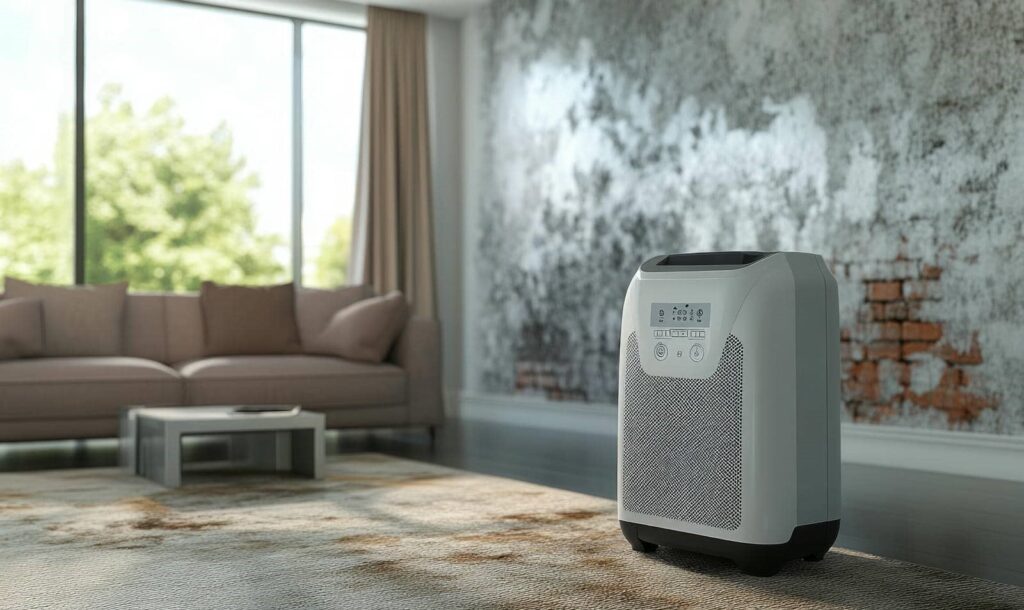
Air Filtration Devices
After identifying moisture-prone areas with detection tools, the next step in mold remediation involves utilizing air filtration devices.
These devices play an essential role in improving air quality by capturing mold spores and other contaminants.
Here are some important filter types to take into account:
HEPA Filters: Effective in trapping 99.97% of particles as small as 0.3 microns.
Activated Carbon Filters: Ideal for absorbing odors and volatile organic compounds (VOCs).
Pre-Filters: Used to capture larger particles, enhancing the lifespan of primary filters.
UV-C Light Filters: Kill mold spores and bacteria, providing an additional layer of protection.
Steps for Effective Mold Removal
To effectively remove mold after flood damage, you must first assess the extent of the contamination.
This evaluation will guide your choice of professional remediation techniques to ensure thorough cleaning and prevent future growth.
Understanding these steps is vital for restoring your space safely and efficiently.
Assessing the Damage
Evaluating the damage is essential for effective mold removal, as even minor neglect can lead to significant health risks.
A thorough damage evaluation through flood assessment allows you to identify affected areas and prioritize remediation.
Follow these steps to ensure a complete assessment:
- Inspect the premises for visible mold growth and water damage.
- Check humidity levels using a hygrometer to assess moisture conditions.
- Identify hidden areas like wall cavities and under carpets where mold may thrive.
- Document your findings with photographs and notes for future reference.
Professional Remediation Techniques
When dealing with mold remediation, employing professional techniques ensures that the removal process is thorough and effective.
Start with mold testing to identify the type and extent of the contamination, allowing for tailored solutions.
Follow remediation guidelines, such as containing the affected area to prevent spores from spreading. Use HEPA filters in air scrubbers to capture airborne particles while removing contaminated materials like drywall and insulation.
After cleanup, apply antimicrobial solutions to surfaces to inhibit future growth.
Finally, conduct post-remediation verification through additional mold testing to confirm your space is safe.
Safe Disposal of Contaminated Materials
Although it may seem challenging, safely disposing of contaminated materials after a flood is essential for preventing mold growth and protecting your health.
Proper contaminated material disposal isn’t just about throwing items away; it requires careful consideration of safe waste management practices.
Follow these steps to ensure effective disposal:
Identify Contaminated Items: Determine which materials, such as drywall, carpet, or insulation, are beyond salvage.
Wear Protective Gear: Equip yourself with gloves, masks, and goggles to prevent exposure to mold spores.
Seal and Label: Place contaminated materials in sturdy, sealed bags or containers, clearly labeling them as hazardous waste.
Follow Local Guidelines: Research your area’s regulations on hazardous waste disposal to ensure compliance and safety.
Preventing Future Mold Growth
To effectively prevent future mold growth after flood damage, it’s crucial to maintain a dry environment and address moisture issues promptly. Start by using mold-resistant materials in construction and renovations, such as moisture-resistant drywall and paint, which can markedly reduce the risk of mold proliferation.
Regularly inspect these materials for any signs of damage or moisture retention to ensure your living space remains protected.
Incorporating preventative maintenance practices is essential. Keep gutters clean and verify proper drainage around your home to divert water away from the foundation.
Utilize dehumidifiers in areas prone to humidity, like basements, to control moisture levels. Regularly check for leaks in pipes and appliances, addressing any issues immediately.
The Importance of Air Quality Monitoring
Monitoring air quality is essential for maintaining a safe and healthy indoor environment, especially after flood damage, which can lead to mold growth.
By keeping track of air quality, you can mitigate potential health impacts associated with mold exposure. Here are four reasons why air quality monitoring is crucial:
Early Detection: Identifying mold spores or allergens before they proliferate helps prevent health issues.
Health Protection: Monitoring air quality can reduce risks of respiratory problems, allergies, and other long-term health effects.
Informed Decisions: Understanding air quality enables you to make better choices about remediation and ventilation.
Peace of Mind: Regular checks give you confidence that your home is safe for you and your loved ones.
When to Call in the Professionals
After evaluating air quality and identifying potential mold issues, you may wonder whether it’s time to bring in professionals. If you notice visible mold growth, musty odors, or experience health symptoms like respiratory problems, it’s essential to act quickly.
Mold inspection services can help assess the extent of the problem and determine the necessary steps for remediation.
In cases where water damage is extensive or ongoing, you should consider emergency response teams specializing in mold removal. They have the expertise and equipment to handle hazardous situations safely and effectively.
Don’t underestimate the risks associated with mold exposure; professionals can provide thorough assessments and tailored solutions, ensuring your home is safe and healthy.
Frequently Asked Questions
How Long Does Mold Remediation Typically Take After a Flood?
Mold remediation typically takes 1 to 5 days, depending on the mold growth timeline and the remediation techniques used. Quick action helps limit damage, so addressing it promptly is essential for your safety and health.
Will Homeowners Insurance Cover Mold Remediation Costs?
Homeowners insurance often covers mold remediation costs, but it depends on your policy’s mold coverage and insurance limits. Review your specific terms and consult your agent to understand your coverage options and potential expenses.
Can I Perform Mold Remediation By Myself Safely?
You can perform mold remediation safely, but make certain you use proper mold identification techniques and follow DIY safety precautions. Wear protective gear, ventilate the area, and address moisture sources to prevent future growth.
What Are the Health Risks Associated With Mold Exposure?
Some people exposed to mold develop symptoms, including respiratory issues like asthma or allergic reactions. You’ve got to be cautious; prolonged exposure can worsen these conditions, impacting your overall health and well-being.
How Can I Tell if Mold Is Completely Removed?
To ensure mold is completely removed, conduct thorough visual inspections for any signs and perform mold testing. If results show no spores and surfaces are clean, you’ve likely eliminated the mold effectively from your environment.
Review
In the aftermath of flooding, addressing mold promptly is crucial to protect both health and property. Remember, “an ounce of prevention is worth a pound of cure.” By understanding the mold growth process, utilizing essential equipment, and employing effective removal techniques, you can greatly reduce the risk of mold-related issues. Don’t hesitate to call in professionals when needed; their expertise ensures thorough remediation and safeguards your home against future mold infestations.
Recent Posts
7 Steps to Remove Black Mold After Water Damage
Black mold can pose serious health risks and often stems from water damage that’s been
Effective Black Mold Removal After Water Damage
After experiencing water damage, addressing black mold is vital for your health and property. Mold
Top Mold Remediation Strategies for Basements
Have you ever wondered why mold seems to thrive in basements? Understanding effective mold remediation