
Contents
After experiencing water damage, addressing black mold is vital for your health and property. Mold thrives in damp environments, and if not properly removed, it can lead to serious health issues and structural damage. Understanding the risks, identifying mold growth signs, and evaluating the extent of the damage are your first steps. But, how do you ensure effective mold removal while preventing future growth? Exploring the right techniques will provide the clarity you need.
Key Takeaways
- Inspect all moisture-prone areas for visible mold and assess the extent of water damage before removal efforts begin.
- Use protective gear and ensure proper ventilation during cleaning to minimize exposure to mold spores.
- Employ effective cleaning solutions, such as vinegar or a vinegar-bleach mix, to eliminate mold colonies thoroughly.
- Utilize HEPA vacuums and damp wiping techniques to capture and remove airborne spores during the remediation process.
- Conduct post-remediation verification through air sampling and surface testing to ensure mold levels meet safety thresholds.
Understanding Black Mold and Its Risks
Black mold, scientifically known as Stachybotrys chartarum, poses significant health risks, especially in damp environments. Understanding its mold biology is essential for you to appreciate the potential dangers lurking in your home.
This fungus thrives on organic materials in moisture-rich settings, releasing spores that can easily become airborne. When you inhale these spores, you’re exposing yourself to a range of health effects, including respiratory issues, allergies, and even neurological problems in vulnerable individuals.
The biological mechanisms of Stachybotrys involve mycotoxin production, which can exacerbate existing health conditions or trigger new ones.
Being aware of these risks fosters a sense of responsibility within your community, as it encourages proactive measures for mold prevention and remediation.
Identifying Signs of Mold Growth
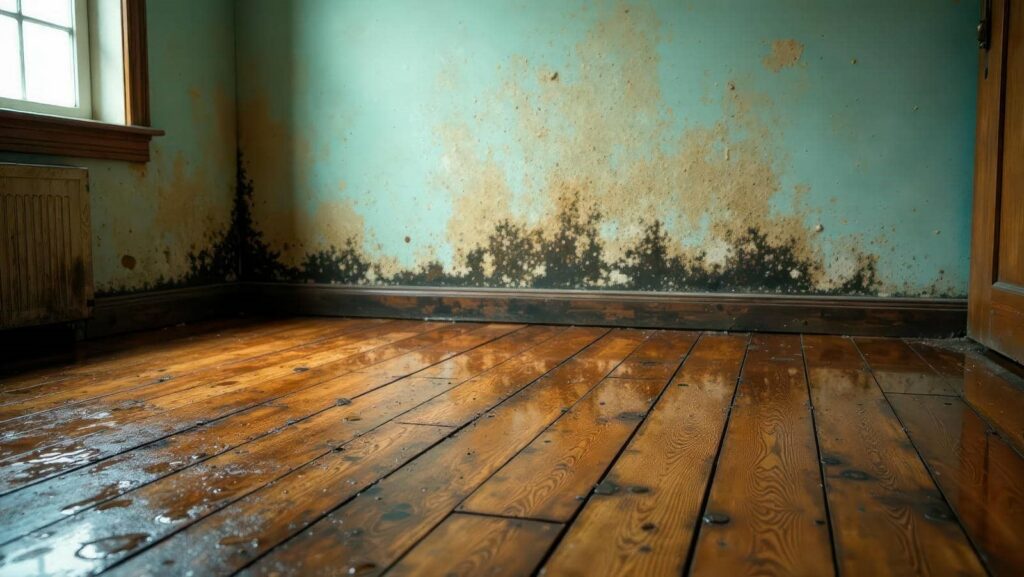
Recognizing the signs of mold growth is essential for maintaining a healthy living environment. Start by inspecting areas with moisture, as this is where various mold types thrive. Look for visible patches on walls, ceilings, or flooring, which may appear fuzzy, discolored, or slimy.
Musty odors often accompany mold, signaling its presence even before you see it. Pay attention to symptoms such as sneezing, coughing, or skin irritation, which can indicate mold exposure.
To effectively address mold prevention, ensure proper ventilation in damp spaces like bathrooms and basements. Repair leaks promptly and use dehumidifiers to maintain ideal humidity levels.
Regularly clean areas prone to moisture accumulation, such as under sinks or around windows. By identifying these signs early and implementing preventive measures, you can protect your home and foster a safe environment for you and your loved ones.
Assessing Water Damage Extent
How can you accurately assess the extent of water damage in your home? Start with water source identification. Pinpoint where the water originated—whether from a burst pipe, flooding, or a leaking roof. This vital step helps determine the severity and potential for mold growth.
Next, utilize damage assessment tools like moisture meters and infrared cameras. Moisture meters measure the moisture content in walls and floors, while infrared cameras reveal hidden water pockets behind surfaces.
Inspect all affected areas, including hidden spaces like attics and crawl spaces, as damage may extend beyond visible signs.
Document your findings meticulously, noting the type of damage and affected materials. This detailed assessment guides your remediation efforts and fosters a sense of belonging to a community that values home safety and well-being.
Preparing for Mold Removal
Before starting mold removal, you must prioritize safety precautions to protect yourself from exposure.
Make sure you gather the necessary equipment, including protective gear and cleaning supplies, to effectively tackle the mold issue.
This preparation sets the foundation for a successful and safe remediation process.
Safety Precautions First
When preparing for mold removal, it’s essential to prioritize safety to prevent health risks associated with black mold exposure.
Start by wearing appropriate personal protective equipment (PPE), such as N95 respirators, gloves, and goggles, to minimize direct contact and inhalation of spores.
Confirm proper ventilation in the area by opening windows and using fans to disperse airborne particles.
It’s also wise to limit access to the affected space, keeping children and pets away.
Familiarizing yourself with safety protocols can help you stay focused and organized throughout the process.
By taking these precautionary steps, you safeguard your health and create a supportive environment for those assisting you in mold removal.
Your well-being is paramount in this endeavor.
Gather Necessary Equipment
Equipping yourself with the right tools is crucial for an effective mold removal process. Start by obtaining mold testing kits to identify the type and severity of mold present. Accurate testing informs your cleaning strategy, ensuring you address the problem effectively.
Next, gather necessary cleaning supplies, including non-toxic mold removers, scrub brushes, and HEPA vacuums. These items are essential to thoroughly eliminate mold spores and prevent regrowth. Don’t forget personal protective equipment like gloves and masks to ensure your safety during the process.
Essential Safety Gear for Mold Cleanup
Effective mold cleanup requires the right safety gear to protect you from potential health hazards associated with black mold exposure.
First and foremost, invest in high-quality personal protective equipment (PPE) like N95 respirators, which filter airborne spores, and durable gloves to shield your skin from irritants. Goggles are essential, too, as they prevent mold particles from entering your eyes during cleanup.
Additionally, consider wearing disposable coveralls to minimize direct contact with contaminated surfaces. These mold safety practices enhance your protection and foster a sense of community responsibility, ensuring you’re safeguarding your health and that of others around you.
Before starting, familiarize yourself with the specific hazards of the mold species you’re dealing with, as this knowledge will guide your choice of equipment.
Effective Cleaning Solutions for Black Mold
Although black mold can pose significant health risks, using the right cleaning solutions can effectively eliminate it and restore a safe environment. For many homeowners, natural cleaning solutions offer an appealing alternative to harsh chemicals.
Vinegar, known for its antifungal properties, effectively inhibits mold growth. Simply spray undiluted white vinegar onto the affected area and let it sit for at least an hour before wiping it clean.
Alternatively, a vinegar-bleach solution can enhance your cleaning efforts. Mix one cup of bleach with a gallon of water, and add a half cup of vinegar. This powerful combination can penetrate porous surfaces, ensuring thorough mold removal.
Always remember to ventilate the area during cleaning and wear appropriate safety gear to protect yourself. With these solutions, you can reclaim your space and foster a healthier environment for you and your loved ones.
Professional Mold Remediation Techniques
When addressing black mold, professional mold remediation techniques begin with a thorough assessment and inspection of the affected area.
This step ensures that all mold sources are identified before implementing containment and removal strategies.
Following these procedures, post-remediation verification is essential to confirm the effectiveness of the cleanup and prevent future growth.
Assessment and Inspection
To ensure a thorough understanding of the mold situation, you must conduct a detailed assessment and inspection of the affected area.
Begin by utilizing effective mold assessment techniques, such as visual inspections and moisture measurements. An inspection checklist can guide you through identifying potential problem areas, including hidden spaces like behind walls and under flooring.
Pay close attention to signs of water damage, such as discoloration or musty odors, as these often indicate underlying issues.
It’s essential to document your findings, as this information will help inform your remediation strategy.
Containment and Removal
Effective mold remediation hinges on two essential steps: containment and removal.
First, you’ll implement mold containment strategies to prevent spores from spreading. This often involves sealing off affected areas with plastic sheeting and using negative air pressure to direct airflow away from clean spaces.
Next, you’ll employ mold removal techniques tailored to the severity of the infestation. HEPA vacuums can effectively capture airborne spores, while damp wiping surfaces with appropriate biocides helps eliminate mold colonies.
It’s vital to ensure that all materials removed are double-bagged and disposed of properly to avoid recontamination.
Post-Remediation Verification
After completing the mold removal process, it’s essential to conduct post-remediation verification to confirm that the environment is safe and free from mold spores.
This step ensures compliance with established remediation protocols. You’ll want to employ various verification methods, such as air sampling and surface testing, to accurately assess mold levels.
These techniques help identify any remaining spores and confirm that the remediation was thorough. It’s important to compare results against established thresholds, assuring your space is visually clean and microbiologically safe.
Preventing Future Mold Growth
While addressing existing mold issues is essential, preventing future mold growth requires a proactive approach to moisture control and environmental management.
Start by using mold resistant materials in areas prone to dampness, such as bathrooms and kitchens. These materials can greatly reduce mold spores’ ability to thrive.
Next, implement effective humidity control strategies. Keep indoor humidity levels below 60% by utilizing dehumidifiers and ensuring proper ventilation.
Regularly check areas like basements and attics, as these spaces often retain moisture unnoticed.
Seal any leaks in roofs, walls, and plumbing to prevent water intrusion. Additionally, encourage good air circulation by rearranging furniture and using exhaust fans.
These measures create an inhospitable environment for mold and foster a healthier living space.
Post-Remediation Inspection and Testing
Once you’ve taken steps to prevent future mold growth, it’s essential to conduct a post-remediation inspection and testing to verify that the mold has been completely eradicated.
This process involves a thorough post remediation assessment, where you’ll want to visually inspect the affected areas for any signs of mold recurrence.
Utilize established testing protocols, such as air sampling and surface testing, to quantify mold levels and confirm they fall within safe limits.
Don’t overlook hidden spaces; checking behind walls and under floors can reveal lingering spores.
Environmental factors like humidity should also be assessed, as they can influence mold growth.
By meticulously following these procedures, you confirm remediation success and foster a healthier living environment.
Engaging in this critical step reinforces your commitment to safety and well-being, ultimately providing peace of mind for you and your loved ones.
When to Seek Professional Help
If you notice signs of severe mold infestation, such as extensive growth or a musty odor, it’s vital to seek professional help.
Ignoring these indicators can lead to significant health risks, particularly for vulnerable individuals.
Additionally, a thorough assessment of the damage is essential to determine the extent of the problem and inform appropriate remediation strategies.
Signs of Severe Infestation
How can you tell when black mold has escalated to a level that necessitates professional intervention? Start by applying mold identification techniques to assess the situation.
If you notice large patches of mold, especially over 10 square feet, it’s a strong indicator of infestation severity. Additionally, if the mold appears to be spreading rapidly or if you detect a musty odor that persists despite cleaning efforts, it’s time to act.
Pay attention to signs of moisture, such as water stains or peeling paint, which often accompany severe infestations. If you experience persistent allergic reactions or respiratory issues, don’t hesitate to seek professional help.
Addressing these indicators early can help ensure a safer, healthier environment for you and your loved ones.
Health Risks Involved
While many people may underestimate the health risks associated with black mold exposure, it can lead to serious respiratory issues and allergic reactions.
Understanding the health implications of mold exposure is vital. If you experience any of the following symptoms, it’s time to seek professional help:
- Persistent coughing or sneezing
- Nasal congestion or sinus infections
- Skin rashes or irritation
- Worsening asthma or breathing difficulties
Ignoring these signs can result in long-term health complications. Mold spores can trigger immune responses, leading to chronic conditions.
If you suspect extensive mold growth, don’t hesitate to consult experts who can provide a thorough assessment and safe removal. Your health should always come first, and timely action can prevent severe consequences.
Extensive Damage Assessment
When evaluating extensive water damage, recognizing the signs of mold growth is essential for your health and property.
If you notice discoloration, musty odors, or persistent dampness, it’s vital to conduct a thorough damage assessment. Mold testing can identify hidden infestations that mightn’t be visible to the naked eye.
Don’t underestimate the potential impact of mold; it can compromise indoor air quality and pose health risks.
If the damage is significant or if you’re uncertain about the extent of the problem, seeking professional help is advisable. Experts can perform detailed evaluations and provide effective remediation strategies, ensuring your living environment is safe and healthy.
Frequently Asked Questions
How Long Does It Take for Mold to Grow After Water Exposure?
Mold can start to grow within 24 to 48 hours after water exposure. Understanding this mold growth timeline helps you address water exposure effects promptly, preventing extensive damage and ensuring a safer environment for you and your loved ones.
Can Black Mold Removal Be a DIY Project?
While tackling black mold removal can feel like an intimidating mountain, you can utilize DIY techniques. Just remember to follow safety precautions carefully, ensuring your health’s protected throughout the process. It’s a challenging yet rewarding endeavor.
What Are the Costs Associated With Professional Mold Remediation?
Professional mold remediation costs can vary considerably. You’ll typically pay for mold inspection costs ranging from $200 to $600, while remediation service prices often range from $1,500 to $3,000, depending on the extent of contamination.
Will Bleach Effectively Kill Black Mold?
Bleach isn’t effective at killing black mold because it doesn’t penetrate porous materials, allowing mold spores to survive. For thorough removal, consider using specialized mold treatments that target spores more effectively and prevent regrowth.
How Can I Tell if Mold Is Completely Removed?
To ensure mold’s truly gone, utilize mold testing after applying various removal techniques. Check for lingering odors, discoloration, or moisture. A clean, dry surface without these signs usually indicates successful mold eradication.
Wrap-Up
Tackling black mold after water damage isn’t just a chore; it’s a mission to reclaim your space from the clutches of a microscopic villain! By following the steps outlined—from identifying moisture sources to ensuring post-remediation checks—you’re not just cleaning; you’re fortifying your home against future mold invasions. So, gear up like a mold-fighting superhero, and don’t hesitate to call in the pros if the battle gets too tough. Your health and safety are worth it!
Recent Posts
7 Steps to Remove Black Mold After Water Damage
Black mold can pose serious health risks and often stems from water damage that’s been
Top Mold Remediation Strategies for Basements
Have you ever wondered why mold seems to thrive in basements? Understanding effective mold remediation
3 Proven Mold Remediation Techniques for Basements
When it comes to addressing the pesky issue of mold in your basement, you’ll want