
Contents
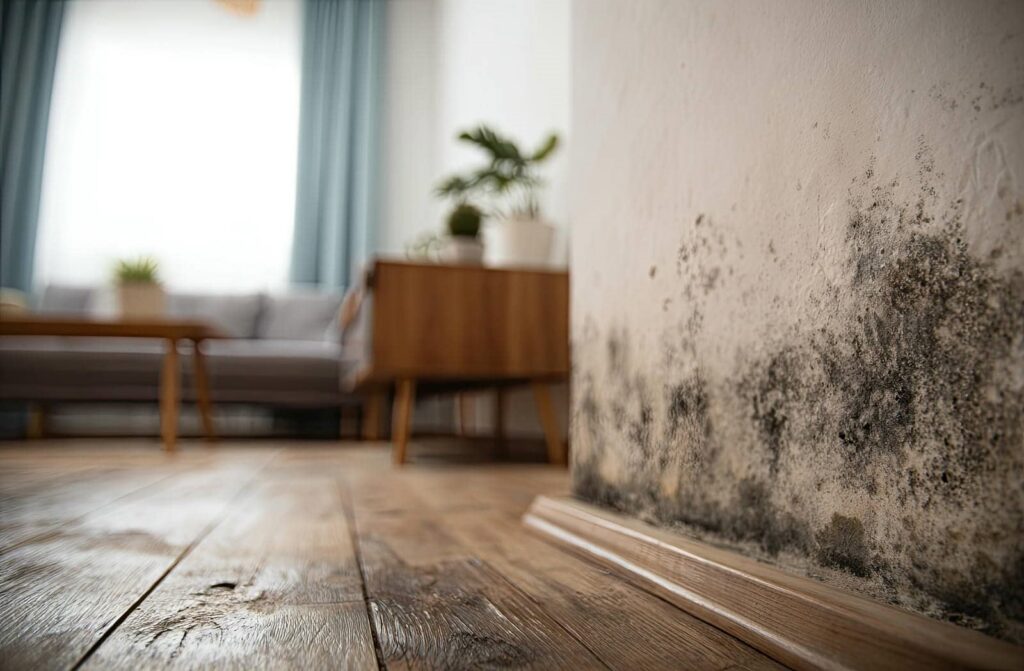
If you’re dealing with mold in your basement, it’s important to understand the best mold remediation techniques to effectively tackle the problem. Identifying the moisture source is just the beginning. You’ll need to contain the area, remove contaminated materials, and clean surfaces thoroughly. Proper ventilation and humidity control are also necessary. Each step plays a significant role in ensuring a mold-free environment. Let’s explore these techniques in detail to safeguard your space efficiently.
Key Takeaways
- Identify and address moisture sources using a hygrometer to maintain humidity levels between 30-60% in the basement.
- Isolate affected areas with barriers and negative air pressure machines to prevent mold spread during remediation.
- Safely remove contaminated materials, sealing them in plastic bags for proper disposal, following local regulations.
- Clean and disinfect surfaces thoroughly using mold-specific cleaning agents to prevent future growth.
- Ensure proper ventilation with exhaust fans and dehumidifiers, keeping humidity below 60% for an optimal environment.
Identifying the Source of Moisture
How can you effectively pinpoint the source of moisture in your basement? Start by evaluating humidity levels using a hygrometer. Ideal indoor humidity should range between 30-60%.
If you notice elevated levels, it’s vital to investigate potential moisture sources. Check for leaks in plumbing, which can lead to persistent dampness. Inspect the foundation for cracks or gaps that allow water intrusion during heavy rains.
Additionally, consider external factors like improper drainage or landscaping that directs water toward your home.
Ventilation plays a significant role, so make certain your basement is well-aired to minimize condensation. Look for signs of mold or mildew, as these can indicate moisture problems.
Containment and Isolation of Affected Areas
Once you’ve identified the moisture sources in your basement, the next step is to contain and isolate the affected areas to prevent mold spores from spreading.
You can achieve effective mold containment by setting up isolation barriers around the contaminated zones. Use plastic sheeting, ideally 6-mil polyethylene, to create a sealed environment, ensuring the edges adhere tightly to walls and floors. This barrier minimizes air movement and keeps spores from escaping into unaffected areas.
Additionally, consider using negative air pressure machines to ensure that air flows toward the contaminated area, further enhancing containment. Seal all openings, including vents and doors, to maintain isolation.
Remember to wear appropriate personal protective equipment during this process, protecting yourself from exposure. By effectively isolating the affected areas, you’ll protect your living space and foster a healthier environment for everyone in your home.
Removal of Contaminated Materials
Begin by carefully removing any contaminated materials from the basement to eliminate the source of mold growth. This step is essential after conducting mold testing, which helps identify affected areas. Remove items such as drywall, carpeting, and insulation that have absorbed moisture and become breeding grounds for mold.
Use personal protective equipment, including gloves and masks, to safeguard your health during this process.
Once you’ve gathered the contaminated materials, ensure proper material disposal. Place them in sealed plastic bags to prevent spores from escaping into the air. Check local regulations for disposal guidelines, as some materials may require special handling.
It’s important to document what you’ve removed, as this information can be valuable for future remediation efforts and potential insurance claims. By diligently removing contaminated materials, you’re taking significant steps toward restoring a safe environment in your basement.
Cleaning and Disinfecting Surfaces
After removing contaminated materials, it’s essential to clean and disinfect all surfaces in the basement to eliminate any remaining mold spores and prevent future growth.
Start with surface sanitization using a mixture of water and a suitable cleaning agent. Scrub surfaces thoroughly, focusing on corners and crevices where mold thrives.
Once cleaned, apply a disinfectant specifically designed for mold remediation to ensure effective kill rates. Look for mold resistant products that can help inhibit future growth on treated surfaces.
Don’t forget to wear protective gear, including gloves and masks, to safeguard your health during this process.
After disinfecting, allow surfaces to dry completely to further deter mold reappearance.
Ensuring Proper Ventilation and Drying
To effectively prevent mold growth in your basement, ensuring proper ventilation and drying is essential. Start by implementing effective airflow management strategies. Open windows and doors when weather permits, or consider installing exhaust fans to enhance air circulation. This helps reduce stagnant air, a common breeding ground for mold.
Next, focus on humidity control. Aim to keep humidity levels below 60% using dehumidifiers. Regularly monitor humidity with a hygrometer; this will guide your efforts in maintaining a healthy environment.
Additionally, after any water intrusion, dry the affected areas promptly. Use fans and heaters to accelerate the drying process, ensuring materials like carpets and drywall dry within 24-48 hours.
Frequently Asked Questions
How Long Does Mold Remediation Typically Take?
Mold remediation typically takes one to five days, depending on mold growth severity and the remediation timeline. Quick action helps minimize damage, so don’t hesitate to address the issue promptly for best results.
Will My Homeowner’s Insurance Cover Mold Remediation Costs?
Your homeowner’s insurance might cover mold remediation costs, but it depends on your policy’s mold coverage specifics. Review your insurance documents or consult your agent to understand the coverage limits and exclusions.
Can I Stay in My Home During Remediation?
You can stay home during remediation if proper safety measures are in place, but consider the air quality. Isn’t it worth ensuring your environment remains safe? Always prioritize remediation safety for your health and comfort.
How Can I Prevent Mold From Returning?
To prevent mold from returning, use mold resistant materials and maintain humidity control. Regularly check for leaks, ensure proper ventilation, and keep humidity levels below 60% to create an environment that discourages mold growth.
What Are the Health Risks of Mold Exposure?
Mold’s like a silent thief, stealing your health. Exposure can trigger mold symptoms, including respiratory issues, allergies, and asthma attacks. It’s essential to address mold promptly to protect yourself and your loved ones.
Conclusion
Effective mold remediation in basements hinges on addressing moisture, isolating affected areas, and thorough cleaning. By implementing these techniques, you eliminate existing mold and create a healthier living environment. Remember, maintaining humidity levels below 60% is essential to preventing future growth. Stay proactive, and your basement can remain a safe and comfortable space.
Recent Posts
24/7 Water Damage Cleanup Checklist
At 2 a.m., you notice water pooling under your laundry room wall, and you have
What Is 24 Hour Water Damage Cleanup?
If you’re dealing with a water emergency, 24 hour water damage cleanup gives you immediate
Ceiling Leak Mold Inspection Report Guide
If you’re dealing with a ceiling leak, you need to know how mold can develop,