
Contents
Addressing black mold promptly is vital to prevent health risks and structural damage. By following a systematic approach, you can effectively manage the cleanup process and safeguard your environment. Let’s explore the essential steps to ensure a thorough and effective mold remediation.
Key Takeaways
- Assess affected areas for visible mold, water damage, and moisture using a moisture meter to identify hidden dampness.
- Ensure safety by wearing protective gear, ventilating the area, and using a high-quality respirator with a HEPA filter.
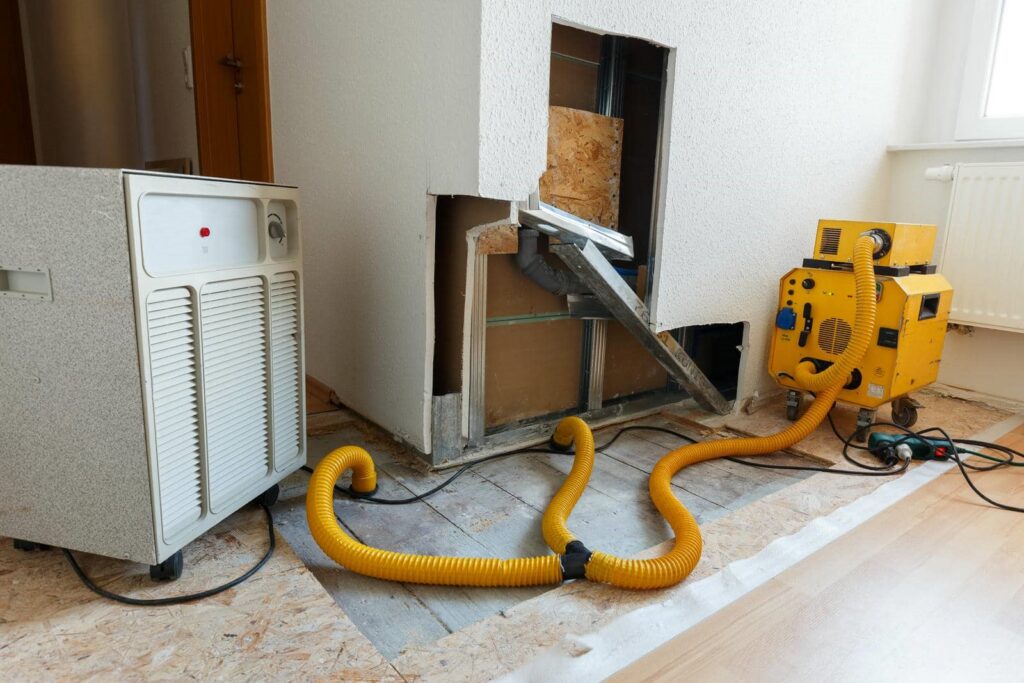
- Swiftly remove standing water with a wet/dry vacuum, and use fans and dehumidifiers to lower humidity levels below 60%.
- Clean and disinfect surfaces using EPA-approved disinfectants, ensuring thorough drying to prevent mold regrowth.
- Monitor for recurrence through regular inspections, moisture control strategies, and using mold testing kits in previously affected areas.
Assess the Damage and Identify Affected Areas
Before you begin the black mold cleanup process, it’s important to evaluate the damage and identify all affected areas in your home.
Start by examining places where water damage is evident, such as basements, crawl spaces, and behind walls. Look for visible mold growth, which can appear as black, green, or white spots. Pay special attention to corners, ceilings, and areas around windows where moisture accumulates.
Use a moisture meter to check for hidden dampness that may not be visible but can encourage mold growth.
Don’t forget to inspect furniture and carpets; these can harbor spores and must be addressed promptly. Document your findings with photos to aid in your cleanup efforts.
Ensure Safety Precautions Are in Place
Before starting the cleanup, make sure you’re wearing appropriate protective gear, such as gloves, masks, and goggles.
It’s also essential to ventilate the area to minimize inhalation risks.
Avoid touching contaminated surfaces to prevent further exposure to harmful mold spores.
Wear Protective Gear
As you prepare to tackle black mold cleanup after flooding, wearing protective gear is essential to safeguard your health.
Start by donning a high-quality respirator with a HEPA filter to prevent inhaling mold spores. Next, wear goggles to protect your eyes from irritants, and choose gloves made from rubber or nitrile to shield your skin. Long-sleeved clothing can also help minimize exposure.
Following these safety protocols keeps you safe and fosters a sense of community among those tackling similar challenges. Remember, the right protective equipment is your first line of defense against potential health hazards.
Prioritize your wellbeing as you work through this difficult situation, ensuring you’re equipped to handle the task ahead effectively.
Ventilate the Area
To effectively tackle black mold cleanup after flooding, it’s essential to ventilate the area properly. Good air circulation helps reduce humidity levels, which is vital for preventing mold growth.
Here are some steps you can take:
- Open windows and doors to create a cross-breeze.
- Use fans to enhance air movement and speed up drying.
- Employ dehumidifiers to maintain ideal humidity control.
- Monitor humidity levels with a hygrometer, aiming for below 60%.
These actions promote a safer environment and foster a sense of community as you work together with others.
Avoid Contaminated Surfaces
While addressing black mold cleanup, it’s essential to avoid contaminated surfaces to ensure your safety and effectiveness in the process.
Start by identifying areas that may harbor mold spores, such as wet walls or flooring. Always wear protective gear, including gloves and masks, to minimize exposure.
Before you begin surface cleaning, make certain that you’ve properly assessed the contamination level; if it’s extensive, consider hiring professionals for mold prevention.
Use appropriate cleaning solutions that target mold effectively without damaging surfaces.
After cleaning, regularly inspect these areas for any signs of mold re-emergence.
Taking these precautions protects your health and fosters a safer environment for everyone involved in the cleanup process.
Remove Standing Water and Moisture Sources
Begin by swiftly removing any standing water from the affected area, as this is crucial in preventing black mold growth.
Start with water extraction using a wet/dry vacuum or a submersible pump. The sooner you act, the better your chances are for effective mold prevention.
Consider these steps:
Identify all moisture sources: Check for leaks or damp areas that may contribute to further water accumulation.
Use fans and dehumidifiers: These tools help reduce humidity levels, further protecting against mold.
Dispose of damaged materials: Remove any soaked carpets, furniture, or drywall that can’t be salvaged.
Monitor humidity levels: Keep an eye on moisture content in the air to ensure it stays below 60%.
Dry Out the Affected Areas Thoroughly
Once you’ve removed standing water, it’s essential to dry out the affected areas thoroughly to prevent black mold from taking hold.
Start by using dehumidifiers to extract excess moisture from the air. Place them strategically in the most affected rooms. For best results, run multiple units simultaneously if needed.
Next, focus on improving air circulation. Open windows and doors to create cross-ventilation, which helps speed up the drying process. Use fans to enhance airflow, directing them toward damp surfaces to expedite evaporation.
Verify that you check and rotate the fans regularly to cover all areas effectively.
Monitor humidity levels with a hygrometer; aim to keep it below 60%. The quicker you dry out the space, the less likely mold will develop.
Clean and Disinfect Surfaces
After ensuring the affected areas are thoroughly dried, it’s important to clean and disinfect all surfaces that came into contact with floodwater.
Using appropriate cleaning agents is vital, as different surface types require specific approaches for effective removal of contaminants.
Here are some steps to follow:
Identify Surface Types: Different surfaces like wood, drywall, and tile need tailored cleaning solutions.
Select Effective Cleaning Agents: Use EPA-approved disinfectants that can kill mold spores and bacteria.
Apply the Solution: Generously apply the cleaning agent to each surface, allowing it to sit for the recommended time to effectively sanitize.
Rinse and Dry: After disinfecting, rinse the surfaces with clean water and dry them thoroughly to prevent mold regrowth.
Remove Contaminated Materials
Removing contaminated materials is essential in preventing the spread of black mold after flooding. Start by identifying and discarding items that can’t be salvaged, such as carpets, drywall, and insulation that have absorbed moisture.
These materials are common contamination sources and provide an ideal environment for mold growth.
When you proceed with mold removal, wear protective gear, including gloves, masks, and goggles, to safeguard your health.
Seal contaminated items in heavy-duty plastic bags before disposal to minimize airborne spores.
For non-porous materials like metal or glass, you can clean and disinfect them thoroughly before reusing.
Make sure to dry these items completely to inhibit mold development.
Monitor for Recurrence and Take Preventive Measures
To prevent black mold from returning, you need to conduct regular inspections and testing in affected areas.
Implement moisture control strategies, such as using dehumidifiers and sealing leaks, to maintain a dry environment.
Staying proactive is key to ensuring your space remains mold-free.
Regular Inspections and Testing
While the initial cleanup of black mold is crucial, regular inspections and testing are essential to prevent its recurrence. By maintaining a consistent schedule for mold testing, you can identify potential issues before they escalate.
Aim for inspection frequency that suits your environment—monthly or quarterly, depending on humidity levels and previous mold occurrences.
To ensure a mold-free environment, consider the following:
- Conduct visual inspections in damp areas like basements and bathrooms.
- Use mold testing kits to check for hidden spores.
- Monitor humidity levels to stay within the recommended range.
- Keep a log of inspections and testing results for future reference.
Moisture Control Strategies
Effective moisture control strategies are essential for preventing the recurrence of black mold after flooding.
Start by utilizing dehumidifiers to maintain ideal humidity levels in your home. Aim for a relative humidity of 30-60%. Regularly monitor these levels to catch any potential spikes early.
Additionally, install moisture barriers in areas prone to dampness, such as basements and crawl spaces, to prevent water intrusion.
Ensure proper ventilation in your home, especially in high-moisture areas like bathrooms and kitchens.
Regular inspections will help you identify any leaks or condensation issues promptly.
Frequently Asked Questions
How Long Does It Take for Black Mold to Grow After Flooding?
In the flooding aftermath, black mold can start developing within 24 to 48 hours. Understanding this mold growth timeline is essential for preventing extensive damage and maintaining a healthy living environment. Don’t delay action!
Can I Use Bleach to Kill Black Mold Effectively?
You can’t rely solely on bleach for effective mold removal; it may not penetrate porous surfaces. While it kills surface mold, consider using specialized cleaners or professional help for thorough black mold remediation.
Is It Safe to Stay in the House During Cleanup?
It isn’t safe to stay indoors during mold cleanup. Mold safety concerns arise from inhaling spores, which can worsen health issues. Prioritize your well-being by temporarily relocating until the cleanup is complete and the environment is safe.
What Are the Health Risks Associated With Black Mold Exposure?
Black mold exposure can be a silent storm, releasing symptoms like respiratory issues or skin irritation. Long-term effects may include chronic fatigue or heightened allergies, creating a lingering shadow over your health and well-being.
Should I Hire a Professional for Mold Cleanup or Do It Myself?
You should consider hiring professional services for mold cleanup, especially if the infestation is extensive. DIY mold cleanup can be risky and ineffective; professionals ensure thorough remediation, protecting your health and home from future issues.
Conclusion
Effectively tackling black mold after flooding demands a thorough approach. Remember, mold can start growing within 24 to 48 hours in damp conditions, making swift action essential. By following these steps, you’ll eliminate the current problem and reduce the risk of recurrence. Regular monitoring and preventive measures, like controlling humidity levels, can help maintain a mold-free environment. Stay vigilant, and your efforts will pay off in a healthier living space.
Recent Posts
What Is 24 Hour Water Damage Cleanup?
If you’re dealing with a water emergency, 24 hour water damage cleanup gives you immediate
Ceiling Leak Mold Inspection Report Guide
If you’re dealing with a ceiling leak, you need to know how mold can develop,
5 Tips for Mold Inspection Reports
When you review a mold inspection report, you need to check more than just the