
Contents
After a flood, your home can feel like a shipwreck, vulnerable to an unseen threat: mold. It’s crucial to act fast and methodically to prevent this silent invader from taking hold. By evaluating the damage, ensuring your safety, and addressing moisture, you can create a robust strategy for cleanup. However, knowing the right steps to take can make all the difference in your recovery. What should you prioritize first?
Key Takeaways
- Inspect all surfaces for mold types and document the extent of growth, especially in hidden areas.
- Wear protective gear, including an N95 respirator and gloves, to ensure safety during cleanup.
- Remove moisture sources diligently, using wet vacs and dehumidifiers to dry affected areas thoroughly.
- Clean surfaces with a detergent solution and apply a mold-killing agent to prevent regrowth.
- Regularly monitor for mold recurrence and seek professional help for extensive damage or persistent issues.
Assess the Damage and Identify Affected Areas
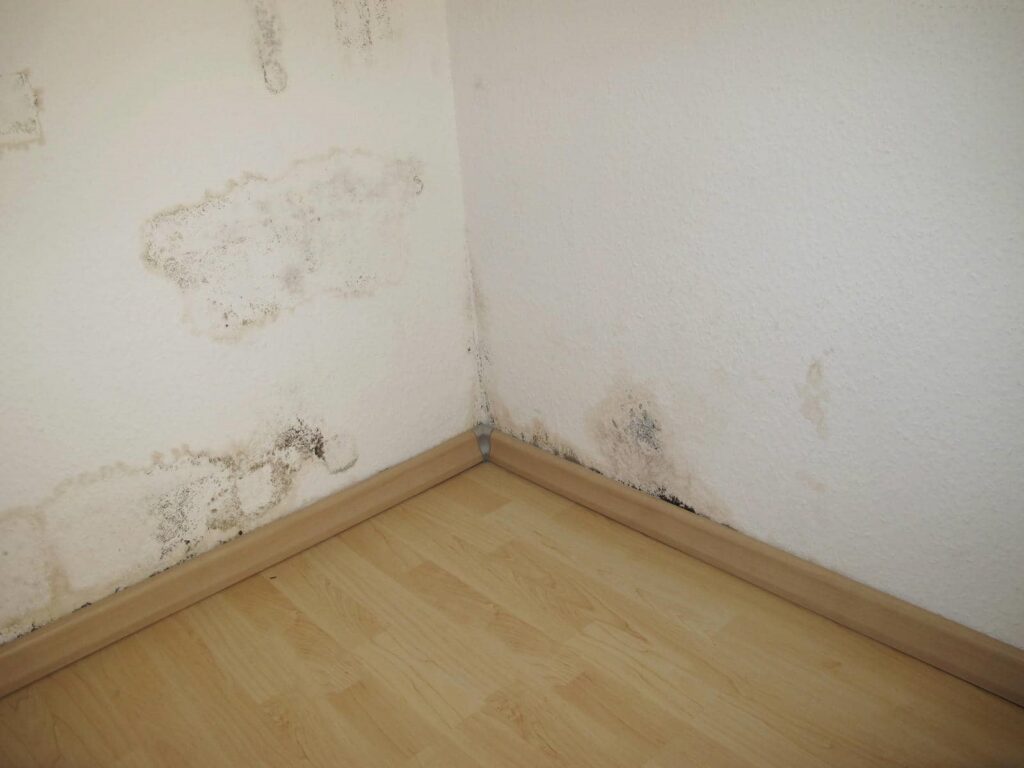
When tackling mold cleanup, the first step is to assess the damage and identify the affected areas. Start by inspecting surfaces for visible mold types, such as black mold or white mold, which can indicate varying levels of moisture exposure.
Use a flashlight to examine dark corners, behind furniture, and inside cabinets—these are common hiding spots. Document all findings during your damage assessment, noting the extent of mold growth and the materials involved, like drywall or wood, which may need replacement.
Be thorough; even small patches can indicate a larger issue beneath the surface. Don’t forget to check for water damage, as it often correlates with mold proliferation.
Ensure Safety and Wear Protective Gear
Before diving into mold cleanup, it’s essential to verify your safety by wearing appropriate protective gear.
Mold exposure can lead to serious health issues, so taking safety precautions is vital. Equip yourself with the right protective equipment to ensure a safe cleaning process.
N95 Respirator: This mask filters out harmful particles, protecting your lungs from mold spores.
Gloves: Use waterproof gloves to prevent skin contact with mold and cleaning solutions.
Goggles: Protect your eyes from irritants and potential contaminants during the cleanup.
Remove Moisture Sources and Dry Out Affected Areas
After ensuring your safety with protective gear, the next step in mold cleanup involves addressing the moisture sources that facilitate mold growth.
Start by identifying where the water has accumulated, such as carpets, walls, and furniture. Effective moisture control is essential; use wet vacs or pumps to remove standing water.
Once you’ve eliminated excess water, implement drying techniques promptly. Open windows and use fans to increase airflow, which accelerates evaporation. Dehumidifiers can also help reduce humidity levels, making it less conducive for mold to thrive.
Don’t forget to inspect hidden areas like under sinks or behind appliances, as moisture can linger there.
If possible, remove soaked materials that can’t be adequately dried, as they may harbor mold spores. By prioritizing these steps, you create a drier environment that greatly reduces the risk of mold growth, fostering a safer space for you and your loved ones.
Clean and Disinfect Surfaces to Prevent Mold Growth
Thoroughly cleaning and disinfecting surfaces is essential for preventing mold growth after a water incident. By using effective cleaning techniques and mold-resistant products, you can create a safer environment for yourself and your loved ones. Here’s how to get started:
Identify and clean all surfaces: Use a mixture of water and detergent to scrub surfaces, focusing on corners and crevices where mold spores may hide.
Disinfect thoroughly: After cleaning, apply a mold-killing solution, such as a bleach-water mix or commercial disinfectant, to eliminate any remaining spores.
Ensure proper ventilation: Open windows and use fans to promote airflow, helping surfaces dry completely and minimizing mold’s chance to thrive.
Monitor for Recurrence and Seek Professional Help if Needed
Even after you’ve cleaned and disinfected surfaces, vigilance is key to preventing mold from returning. Regularly inspect your home for signs of moisture or mold growth, as these can be early indicators of a resurgence.
Implementing effective mold prevention strategies, like maintaining indoor humidity levels below 60% and ensuring proper ventilation, can greatly reduce the risk of recurrence.
If you notice persistent problems or extensive damage, don’t hesitate to seek professional remediation services. Trained specialists have the tools and expertise to identify hidden mold and address underlying moisture issues that you might overlook.
Remember, mold can pose health risks, so prioritizing a thorough approach is essential. By staying proactive and informed, you’ll protect your living environment and foster a sense of belonging in a safe, healthy home.
Your diligence today can make all the difference tomorrow.
Frequently Asked Questions
How Long Does It Take for Mold to Develop After Flooding?
Mold typically starts developing within 24 to 48 hours after flood damage occurs. Understanding the mold growth timeline is essential for effective remediation; prompt action helps prevent extensive damage and health risks in your environment.
Can I Use Bleach to Clean Mold Effectively?
You can’t rely solely on bleach for effective mold removal. While it may kill surface mold, it doesn’t penetrate porous materials. Consider using specialized mold cleaners or solutions designed for deeper, more thorough mold remediation.
Is Mold Damage Covered by Homeowners Insurance?
Mold damage isn’t always covered by homeowners insurance. It often depends on your policy specifics and the source of the mold. Review your policy carefully to understand mold coverage and potential insurance claims.
What Are the Health Risks Associated With Mold Exposure?
Mold exposure can cause various health risks, including mold symptoms like respiratory issues and allergic reactions. You may experience sneezing, coughing, or skin irritation. It’s essential to address mold promptly to protect your well-being.
How Can I Prevent Future Flooding and Mold Issues?
To prevent future flooding and mold issues, implement flood prevention measures like proper drainage systems and landscaping. Ensure moisture control through dehumidifiers and adequate ventilation to maintain a dry, healthy environment in your home.
Conclusion
Swift action is essential for effective mold cleanup after flooding. By following the outlined steps—assessing damage, ensuring safety, removing moisture, cleaning surfaces, and monitoring for recurrence—you can greatly reduce the risk of mold proliferation. If the situation seems overwhelming, don’t hesitate to call in professionals to safeguard your home and health.
Recent Posts
What Is 24 Hour Water Damage Cleanup?
If you’re dealing with a water emergency, 24 hour water damage cleanup gives you immediate
Ceiling Leak Mold Inspection Report Guide
If you’re dealing with a ceiling leak, you need to know how mold can develop,
5 Tips for Mold Inspection Reports
When you review a mold inspection report, you need to check more than just the