
Contents
Mold is a silent predator, thriving in the shadows of flood-damaged homes. To effectively combat this issue, you must first assess the extent of mold growth and understand the necessary mold remediation steps to mitigate it. Each strategy plays a crucial role in protecting your environment. However, the process doesn’t end with removal; implementing long-term prevention is equally essential. What steps should you prioritize to guarantee lasting results?
Key Takeaways
- Conduct thorough mold assessments using visual inspections and moisture meters to identify affected areas and potential health risks.
- Seal off contaminated areas with plastic sheeting to contain spores and utilize negative air pressure machines to control airflow.
- Remove and dispose of porous materials like drywall and carpeting that cannot be effectively cleaned to eliminate mold sources.
- Clean and disinfect non-porous surfaces with appropriate solutions to eradicate mold spores and prevent regrowth.
- Implement preventative measures, such as reducing indoor humidity and improving drainage, to avoid future mold problems post-recovery.
Assessing the Extent of Mold Growth
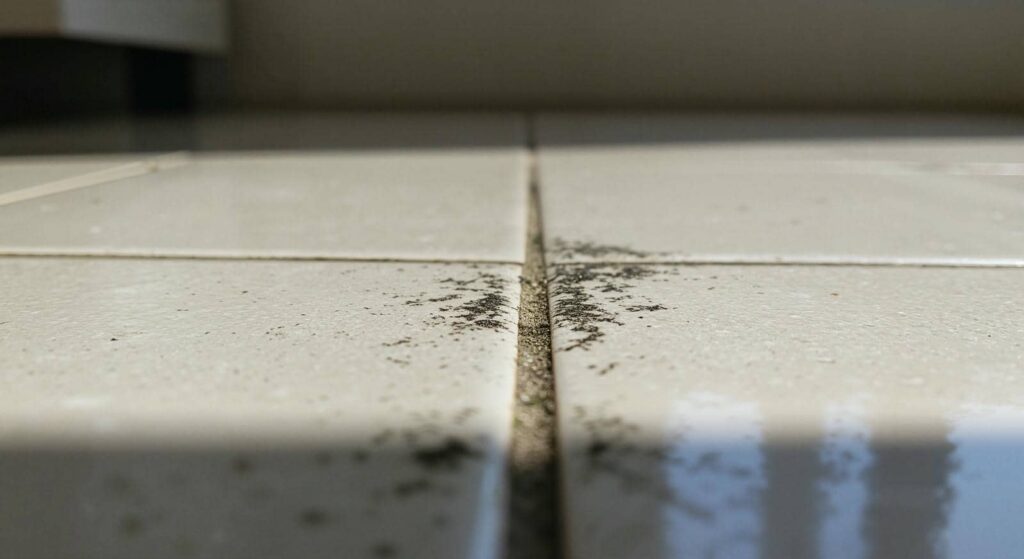
When you’re dealing with flood recovery, evaluating the extent of mold growth is essential for effective remediation. Start by employing mold identification techniques, such as visual inspections and moisture meter readings.
Look for discoloration, musty odors, and visible growth in areas prone to dampness. These methods provide a clear picture of the mold’s presence and severity.
Next, conduct a health impact assessment to understand the risks to those affected.
Mold exposure can lead to respiratory issues, allergies, and other health complications, especially in vulnerable populations. Documenting these risks allows for informed decision-making about remediation strategies.
Containing the Affected Area
To effectively manage mold remediation, it’s vital to contain the affected area promptly, as this prevents spores from spreading to other parts of the property.
Start by sealing off the area with plastic sheeting, ensuring all seams are tightly secured. This creates a barrier that helps control airflow management, an important factor in reducing mold dissemination.
Use negative air pressure machines to maintain airflow within the contained space, which also aids in moisture control. By directing air out of the affected area, you minimize the risk of spores moving elsewhere.
Additionally, it’s important to monitor humidity levels, as excessive moisture can lead to further mold growth.
Implementing these strategies not only protects the rest of your property but also fosters a sense of community well-being by ensuring a safe environment for you and others.
Removing Contaminated Materials
Once you’ve contained the affected area, removing contaminated materials is the next crucial step in mold remediation. Various mold types can thrive on different surfaces, so identifying materials that must be discarded is important.
Start by examining porous items like drywall, carpeting, and insulation, as these often retain moisture and spores.
Utilize effective removal techniques, such as cutting out affected sections of drywall and disposing of contaminated furniture.
Make sure you wear protective gear, including gloves and masks, to avoid exposure.
Non-porous materials like metal and plastic can often be cleaned, but it’s imperative to assess their condition thoroughly.
Cleaning and Disinfecting Surfaces
After removing contaminated materials, the next step involves cleaning and disinfecting surfaces to eliminate any remaining mold spores and prevent future growth.
Start by using effective mold cleaning techniques. Scrub non-porous surfaces with a mixture of water and detergent, ensuring you cover every area. For porous materials, it’s vital to follow up with appropriate disinfecting products like hydrogen peroxide or a diluted bleach solution, as these can penetrate deeper and kill mold spores effectively.
Once you’ve cleaned, allow surfaces to dry completely, since moisture encourages mold growth. Remember, thoroughness is key; any missed spots can lead to a resurgence of mold.
Utilize personal protective equipment, such as gloves and masks, to protect yourself during this process. By committing to these cleaning and disinfecting methods, you’re taking essential steps toward a healthier living environment and ensuring your space remains mold-free long after the flood recovery.
Implementing Preventative Measures
Cleaning and disinfecting your surfaces lays the groundwork for effective mold prevention.
To further safeguard your home, consider these preventative measures:
- Moisture Control: Keep indoor humidity below 60% using dehumidifiers and ensuring proper ventilation. This limits mold’s growth environment.
- Preventative Landscaping: Grade your yard to direct water away from your foundation. Installing rain gardens or French drains can also manage excess moisture effectively.
- Regular Inspections: Routinely check for leaks in plumbing and roofs. Early detection prevents small issues from escalating into significant mold problems.
Frequently Asked Questions
How Long Does Mold Remediation Typically Take After a Flood?
Mold remediation typically takes one to two weeks after flood damage, depending on severity. You’ll want to address the issue promptly, as a faster remediation timeline reduces health risks and prevents further structural damage.
Can I Tackle Mold Remediation Myself, or Should I Hire Professionals?
You can tackle DIY mold remediation, but it’s risky. Imagine hidden spores lurking in shadows. Professional services guarantee thoroughness and safety, preventing future outbreaks. Weigh your skills against the expertise professionals offer for lasting peace of mind.
What Protective Gear Should I Wear During Mold Removal?
You should wear protective masks and safety gloves during mold removal. These items safeguard against inhaling spores and skin contact with mold. Prioritizing your safety guarantees you can effectively tackle the remediation process with confidence.
Are There Specific Mold Removal Products That Are Most Effective?
You’ll find effective cleaners like hydrogen peroxide and vinegar essential for mold removal techniques. They penetrate surfaces, eliminate spores, and foster a healthier environment, helping you reclaim your space while ensuring safety and comfort for everyone.
How Can I Tell if Mold Is Completely Removed?
You can tell mold’s completely removed by conducting thorough mold testing and performing a residue inspection. If results show no spores or signs of growth, you’ve achieved effective mold removal and can guarantee a safe environment.
Recap
In the journey of flood recovery, think of mold as an unwelcome guest who thrives in damp corners. By diligently evaluating, containing, and removing its presence, you reclaim your space. Cleaning and disinfecting are akin to opening the windows and letting in fresh air, while preventative measures act as sturdy locks against future intrusions. Just as a well-tended garden flourishes, a home maintained with vigilance guarantees a healthier, mold-free environment, ready to embrace life once again.
Recent Posts
5 Best Mold Remediation Techniques for Basements
If you’re dealing with mold in your basement, it’s important to understand the best mold
What Are Quick Tips for Basement Water Cleanup?
When dealing with basement water cleanup, it’s essential to act quickly and safely. Start by
Essential Tips for Emergency Basement Water Cleanup
When facing water intrusion in your basement, acting swiftly is essential. First, assess the situation