
Contents
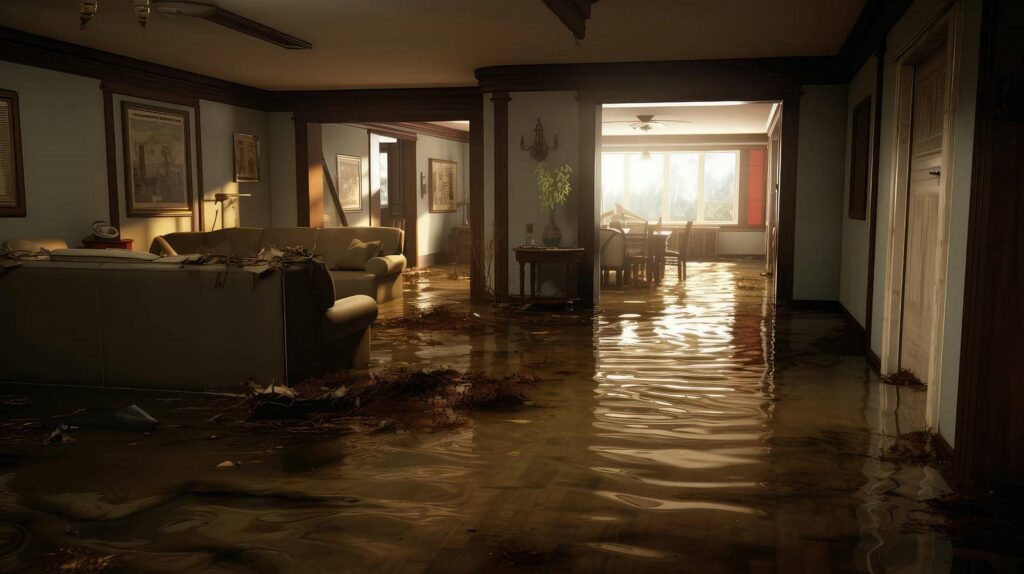
Water damage in your basement is like a silent thief, gradually stealing your home’s integrity. To effectively tackle this issue, you need a systematic approach that ensures safety and thoroughness. From evaluating the damage to implementing preventive measures, each step is vital. Follow along to discover essential tips that will guide you through the cleanup process and help safeguard your basement against future water intrusion.
Key Takeaways
- Assess the damage by checking for discoloration, mold growth, and moisture levels using meters before starting cleanup.
- Ensure safety by wearing protective gear and confirming proper ventilation in the area.
- Use a sump pump for large water removal and a wet/dry vacuum for residual moisture.
- Clean and disinfect surfaces with EPA-approved products, allowing adequate contact time for effectiveness.
- Implement preventive measures like maintaining drainage systems and sealing basement windows to avoid future issues.
Assess the Extent of the Damage
When dealing with basement water damage, the first step is to assess the extent of the damage accurately.
Start by identifying damage indicators, such as discoloration on walls, peeling paint, or mold growth. These signs can reveal how long the water’s been present and the severity of the issue.
Use assessment tools like moisture meters to determine the moisture levels in walls and floors, allowing you to gauge how deeply the water has penetrated.
Additionally, inspect insulation and flooring materials, as they can absorb significant amounts of water.
Take detailed notes of your findings, as this information will guide your cleanup efforts and help you communicate effectively with professionals if needed.
Ensure Safety First
After evaluating the extent of the damage, your next priority is to ascertain safety first. Before diving into cleanup, take essential safety precautions to protect yourself and others.
First, confirm proper ventilation in the basement. Open windows and doors to reduce moisture and improve air quality.
Wear personal protective equipment like gloves, masks, and boots to shield against contaminants. Mold and bacteria can thrive in damp environments, so it’s vital to minimize exposure.
If you notice electrical hazards or unstable structures, avoid the area and consult a professional before proceeding.
Keep a first aid kit handy in case of minor injuries. Also, consider having a flashlight on hand to navigate safely in low visibility.
Remove Standing Water
To effectively remove standing water from your basement, start by using a sump pump to eliminate larger volumes of water quickly.
For smaller areas, a wet/dry vacuum can help you clean up residual moisture.
Additionally, ensure proper drainage to prevent future water accumulation and protect your space from further damage.
Use a Sump Pump
Using a sump pump is vital for efficiently removing standing water from your basement after a flood or leak.
First, verify proper sump pump installation to ensure peak performance. Choose a pump with adequate horsepower for your basement’s size and potential water volume.
Once installed, regularly check the pump’s operation to prevent future failures. Sump pump maintenance is essential—clean the filter, inspect for debris, and test the float switch monthly.
Additionally, consider a backup power source to keep the pump running during power outages.
Employ Wet/Dry Vac
Employing a wet/dry vacuum is an effective method for quickly removing standing water from your basement. This tool boasts several wet/dry vac benefits, including its ability to handle large volumes of water and debris.
Start by selecting an appropriate attachment for your specific needs, and make sure the vacuum is positioned correctly to maximize efficiency. As you suction up the water, regularly check the collection tank to prevent overflow.
After use, vacuum maintenance is essential—empty the tank, clean the filters, and inspect hoses for clogs or damage. By maintaining your wet/dry vac, you’ll ensure top performance for future cleanup efforts, helping you feel confident and connected to your home’s upkeep.
Ensure Proper Drainage
After effectively removing standing water with a wet/dry vacuum, it’s important to ensure proper drainage in your basement to prevent future issues.
Implementing effective drainage systems and water barriers will safeguard against water accumulation. Here are some steps to contemplate:
Inspect gutters and downspouts: Ascertain they direct water away from your foundation.
Install a sump pump: This can help remove excess water during heavy rain or flooding.
Grade the landscape: Sloping the ground away from your home minimizes water flow toward the foundation.
Use water barriers: These can provide an extra layer of protection against moisture infiltration.
Dry Out the Area
To effectively dry out the area, start by removing any standing water with a wet/dry vacuum or pump.
Once the water is gone, focus on moisture control to prevent further damage. Open windows and doors to enhance airflow, and utilize fans to circulate air throughout the basement. If possible, consider installing ventilation solutions, such as dehumidifiers, to draw out excess moisture.
Target humidity levels should be below 60% to ensure a dry environment.
Check for hidden pockets of moisture behind walls or under flooring, as these can lead to mold growth if left unattended. Pay attention to any damp materials, like carpets or drywall, and remove them if they can’t be adequately dried.
Finally, keep monitoring the area until it’s completely dry; this will help you maintain a safe and comfortable basement environment for your family.
Clean and Disinfect Surfaces
Once you’ve dried out the area, it’s crucial to gather the right cleaning supplies to effectively clean and disinfect surfaces.
Use proper disinfectants that can eliminate mold and bacteria, ensuring you follow the manufacturer’s instructions for best results.
After cleaning, make sure everything is thoroughly dried to prevent future water damage and health hazards.
Gather Cleaning Supplies
When tackling water damage cleanup, gathering the right cleaning supplies is essential for effectively cleaning and disinfecting surfaces.
You’ll want to ensure you’re equipped with quality cleaning tools and safety gear to protect yourself during the process. Here’s a list of items you should gather:
- Heavy-duty gloves to protect your hands
- Masks to prevent inhalation of mold spores
- Mops and buckets for water removal
- Disinfecting wipes or sprays for surfaces
Having these supplies on hand streamlines your cleanup process and ensures you’re prepared for any unexpected challenges.
Being organized and ready will help you feel more in control, fostering a sense of belonging as you tackle the task ahead.
Use Proper Disinfectants
As you clean and disinfect surfaces affected by water damage, using the right disinfectants is essential for eliminating harmful bacteria and mold.
Start by selecting appropriate disinfecting agents that are effective against waterborne pathogens. Look for EPA-approved products that meet safety standards.
Follow established cleaning protocols, ensuring that surfaces are first cleaned to remove dirt and debris before applying disinfectants. Allow the disinfectant to sit for the recommended contact time to maximize its effectiveness.
Don’t forget high-touch areas and porous materials, as they can harbor microbes. Equip yourself with proper protective gear, and always ventilate the area to prevent inhaling any harmful fumes.
These steps will help create a safe environment and contribute to the overall success of your cleanup efforts.
Ensure Thorough Drying
To prevent further damage and inhibit mold growth, you must ensure thorough drying of all affected surfaces after cleaning.
Effective moisture control is essential, and ensuring proper basement ventilation will help accelerate the drying process.
Here are key steps to follow:
- Use fans to improve air circulation and expedite evaporation.
- Open windows and doors when weather permits to enhance airflow.
- Utilize a dehumidifier to remove excess moisture from the air.
- Regularly check for hidden damp areas behind walls or under flooring.
Check for Structural Damage
Before you start the cleanup process, it’s essential to check for structural damage in your basement.
Begin with a thorough foundation inspection; look for cracks, moisture stains, or sagging beams. These signs can indicate compromised structural integrity, which may worsen if left unaddressed.
Pay attention to the walls, floors, and ceiling, ensuring they’re stable and free from any obvious deformities.
If you notice any alarming issues, it’s wise to consult a structural engineer. They can assess the extent of the damage and recommend necessary repairs.
Even minor cracks can lead to bigger problems if ignored, so addressing them promptly is vital for the safety of your home.
Remember, maintaining your basement’s structural integrity protects your belongings and enhances your peace of mind.
After ensuring the structure is sound, you can confidently proceed with the cleanup.
Address Mold Growth
To effectively address mold growth in your basement, you first need to identify the sources of moisture that promote its development.
After pinpointing these areas, use proper cleanup techniques to remove existing mold safely.
Finally, implement preventive measures to ensure that mold doesn’t return in the future.
Identify Mold Sources
Although mold can grow in various areas of your basement, identifying its sources is vital for effective remediation.
Understanding mold growth conditions is important to prevent future infestations. Use these mold identification techniques to pinpoint the problem areas:
Inspect for leaks: Check pipes, walls, and ceilings for any signs of water intrusion.
Assess humidity levels: High humidity can create an ideal environment for mold; use a hygrometer to measure it.
Look for organic materials: Mold thrives on wood, drywall, and insulation; examine these surfaces closely.
Monitor ventilation: Poor airflow can contribute to dampness; ensure proper ventilation throughout your basement.
Use Proper Cleanup Techniques
Addressing mold growth in your basement requires specific cleanup techniques to confirm effective removal and prevent recurrence.
First, make sure you’re equipped with personal protective equipment like gloves and masks to safeguard against spores.
Use a mixture of water and detergent to scrub the affected surfaces, followed by a solution of one cup of bleach to a gallon of water for disinfection.
After applying these cleanup techniques, thoroughly dry the area to inhibit moisture retention.
For larger infestations, consider professional water remediation services to eliminate mold more effectively.
Remember to address any underlying water issues to prevent future growth.
Prevent Future Growth
Preventing future mold growth in your basement is essential, especially after you’ve dealt with a water damage issue.
Implementing effective mold prevention strategies and humidity control methods can greatly reduce the risk of mold returning. Here are some key actions you can take:
Control humidity: Use dehumidifiers to maintain indoor humidity levels below 60%.
Improve ventilation: Ensure proper airflow by opening windows and using exhaust fans.
Seal cracks: Inspect and seal any cracks in walls or floors to prevent moisture ingress.
Regular inspections: Routinely check for leaks or water intrusion to tackle issues before they escalate.
Dispose of Damaged Materials
When dealing with basement water damage, disposing of damaged materials quickly and properly is essential to prevent further issues like mold growth.
Start by identifying all affected items, including carpets, drywall, and furniture. Separate these damaged materials into categories: those that can be salvaged and those that must be discarded.
For disposal methods, check local regulations regarding hazardous waste. Some items may require special handling, so it’s vital to follow these guidelines.
Use heavy-duty garbage bags for smaller debris, and consider renting a dumpster for larger items. If items are mold-infested, wear protective gear such as gloves and masks while handling them.
Document the disposal process for insurance claims, including photographs and receipts.
Prevent Future Water Intrusion
To keep future water intrusion at bay, start by verifying your home’s drainage systems are functioning properly.
Regular maintenance is vital to prevent water from pooling around your foundation. Consider implementing effective waterproofing solutions to bolster your defenses against moisture.
Here are some essential actions to take:
- Clean gutters and downspouts to ensure water flows away from your home.
- Inspect basement windows for cracks or gaps, sealing them as needed.
- Install a sump pump to manage excess water in your basement.
- Apply waterproof sealants on basement walls and floors for added protection.
Consult With Professionals
Although DIY methods can be effective for minor basement water issues, consulting with professionals is vital for more significant problems or persistent moisture. When you face extensive water damage, you need expert advice to identify hidden sources of moisture and structural concerns that may not be immediately visible.
Professional services offer specialized equipment, such as moisture meters and industrial dehumidifiers, which are essential for thorough remediation. Additionally, trained technicians understand the complexities of water damage and can implement effective solutions to prevent future occurrences.
They’ll help you navigate insurance claims and ensure compliance with local regulations, giving you peace of mind. Don’t underestimate the value of professional insight; it can save you time, money, and stress in the long run.
Frequently Asked Questions
What Personal Protective Equipment Should I Wear During Cleanup?
You should wear safety gear like gloves, masks, and goggles during cleanup procedures. This protects you from contaminants and ensures your safety while working in potentially hazardous conditions, allowing you to complete the task effectively.
How Long Does It Typically Take to Dry Out a Basement?
Typically, drying out a basement takes 3 to 5 days. Employ drying techniques like dehumidifiers and fans, while conducting moisture assessments to ensure thoroughness. You’ll feel relief, knowing your space is safe and dry again.
Can I Use a Regular Vacuum for Water Removal?
You can’t use a regular vacuum for water removal; it’s not designed for moisture. Instead, choose a wet/dry vacuum for effective water extraction methods, ensuring proper vacuum types to handle the job safely and efficiently.
What Should I Do With Valuable Items Affected by Water?
Assess each item’s damage immediately, prioritizing preservation. If possible, dry items quickly, and remove any mold. Document the condition for insurance claims, and consult professionals for valuable items that require specialized restoration techniques.
How Can I Tell if My Insurance Covers Basement Water Damage?
To determine if your insurance covers basement water damage, review your insurance policy for specific clauses. Check coverage limits and exclusions, as they vary widely. Contact your agent for clarification on your individual situation.
Wrap-Up
In managing the complexities of basement water damage cleanup, remember that prevention is the best remedy. By taking proactive steps to address potential issues, you’re not just mopping up a mess; you’re safeguarding your home’s integrity. Emphasize vigilance in monitoring humidity and drainage systems to keep unwanted moisture at bay. When in doubt, don’t hesitate to consult professionals—they can provide invaluable expertise to ensure your space remains dry and welcoming for years.
Recent Posts
Essential Tips for Emergency Basement Water Cleanup
When facing water intrusion in your basement, acting swiftly is essential. First, assess the situation
How to Remediate Mold After Flood Damage
In the aftermath of a flood, the lurking threat of mold can feel like an
Why Choose Professional Mold Remediation After Flooding?
After flooding, mold can quickly become a serious problem in your home. You might underestimate